
If you have an electric car and want to rely as little as possible on public charging stations, where you might find them full or have to pay more per kilowatt, it suggests that you are interested in the option of charging at home.
An electric charging point can be set up in your yard, in your building (if there is private parking) or at your workplace. This allows you to enjoy the ease of charging your vehicle whenever you want, based on your timetable. You can power it up while you are working from home, at night, or whenever you need it, so you won’t have to search for a quick charging point, detour away, or worry about whether it will be available.
The thought of charging your electric car at home is likely appealing to you, and you might be curious about how much this investment will cost. In this article we will share everything you need to understand to make a smart choice.
Why buy an electric charging station for your home?
If you live at home, you can always charge your car at a 220 volt outlet, which is your normal home outlet. In this way you recharge the car directly from the electricity distribution network for 0.68 lei/kWh (in 2023). At night the price per kilowatt hour is even lower.
What is important to know is that the charging time of the electric car at a normal home socket is generous. It can be 10-15 hours or more, depending on the capacity of the battery, the power of the socket (in domestic ones the average power is 3 kWh) and the power of the charger used. If you want to significantly reduce this waiting time until you have a fully charged battery, then you can choose to set up an electric charging station at home, in your building or in your work car park.
The advantages of the charging station at your home:
1. Save time loading your car – if you choose to charge the car at a domestic socket, for the battery to reach 100%, the time you have to wait is long; with a single-phase (7.4 kW) or three-phase (22 kW) home charging station, however, the car is completely recharged in much shorter times;
Example:
- Tesla Model 3 (2019) it recharges via a 220 V domestic socket in 24-33 hours, while at a 7.4 kW (single-phase) domestic electric charging station the charging time is 8-11 hours; furthermore, if you choose to install a 22 kW (three-phase) power station, you will recharge the same car in just 5-7 hours;
- Dacia Spring (2021) it recharges at a normal socket, the one in your home in about 12 hours, instead at a charging station that you have chosen to install at home, with a power of 7.4 kW (single phase), the waiting time will be around 4 hours;
- Volkswagen ID.4 (2020) it recharges at the usual home socket in 39 hours, at the 7.4 kW home charging station in a time interval of 12 hours and 30 minutes, and if the power of the station is 22 kW the charging time will be 8 hours and 30 minutes;
To remember:
- A charging station in your home can be powered by both single-phase and three-phase power, so it can provide power between 3.7 and 7.4 kW with single-phase power or 11-22 kW with three-phase power.
- You can find out the type of connection that powers the home (single-phase or three-phase) and what the maximum power can be absorbed from the network, from the technical connection notice (ATR) or directly from the electricity supplier.
- The larger the car battery and the slower the charging point (such as a household socket), the longer the charging time.
2. Recharge your car battery from the comfort of your home – in other words, you don’t have to check if there is any charging station available, nor go there and risk finding it occupied, having to wait a long time in queue; charge your car battery from home whenever you want;
3. You pay less to charge your car – at a public charging station you pay a higher cost per kWh (charging unit) than when you charge from your own home; at home, in 2023, it will cost you 0.68 lei/kWh (if you do not fall into the category of large consumers), while in a public station the price varies depending on the type of station and the supplier, but can reach 2.5 lei per unit. Furthermore, at home, you benefit from a lower rate at night, and in the morning your car battery is charged. Last but not least, the costs become zero if you have installed a photovoltaic system.
Note: When charging your electric car at the public charging station, 1 charging unit = 1 kWh.
4. You have maximum flexibility in terms of car loading – set the automatic charging of your car, based on your schedule, so you always have energy in the battery when you need it; furthermore, you have the possibility of regulating the charging power used (you can reduce the car’s charging power if you want to use a household appliance at the same time);
5. You have maximum safety, unlike charging via a normal socket – a home charging station is designed to ensure the safety of the charging process, including overvoltage and overcurrent protection; so if you like the idea of charging at home, opt for the charging station under your house, so you can have the peace of mind of charging in complete safety; in the case of a domestic socket, supplying a continuous current of 3 kW for a long period of time, 10-15 hours, can lead to dangerous overheating of the internal components.
How much does a home electric charging station cost?
To know:
- There are two main types of charging: AC (alternating current) charging and DC (direct current) charging. AC charging is the most common and is used by most home and work charging stations. DC charging is much faster and is used by public charging stations.
- You can choose to install a charging station in your yard, on your block, or at your business location. Note that there is the possibility of authenticating at the station using a card, based on RFID (Radio-Frequency Identification) technology. After successful authentication, the charging station allows access to the charging connection and starts supplying power to the electric vehicle.
- Most electric stations have the possibility of regulation, to limit the charging power based on domestic consumption and the maximum contracted power. Charging at night is very advantageous, because other devices with high energy consumption are usually not in operation. If you need it, you can request a power increase from your electricity supplier.
- The installation of the charging station is carried out by a team of consultants and specialized technicians.
- You will pay the cost of the energy used to charge the car to the electricity supplier, according to the invoice (so there is no difference in the payment process).
Factors on which the cost of a home charging station depends:
- Station loading power – home charging stations have different power levels, expressed in kilowatts (kW); the higher the charging capacity, the faster the electric car will charge, but the cost of the charging station will also be higher.
- Brand and model of the charging station – Home charging stations from reputable companies are priced higher because they offer higher quality, longer life or better customer support.
- Additional features – charging stations may have connectivity options and additional features that influence the price; therefore, some stations allow users to control charging via a mobile application, there are additional safety features (overvoltage protection, current leak detection, etc.); some stations are partially or entirely powered by renewable energy.
- Installation costs – these are any changes to the home’s electrical network, to ensure adequate and safe power supply; these costs vary depending on the complexity of the installation and the specific conditions of the home; you can request a power increase, maintaining the existing single-phase connection, so as to be able to cover your daily energy needs

Price of a charging station at home:
We invite you to browse the E-acumulatori.ro website to consult the offer of charging stations that we make available to you. These are different models of home charging stations:
- single-phase (from 3.7 kW to 7.4 kW) and three-phase (from 11 kW to 22 kW) charging stations;
- with wall or metal leg mounting;
- with mobile cable or fixed socket;
- with Autostart type power supply (the car starts charging immediately after inserting the connector into the socket) or with authentication based on an access system controlled via RFID card (for use in common car parks);
- with the ability to control charging from your phone.
We present to you:
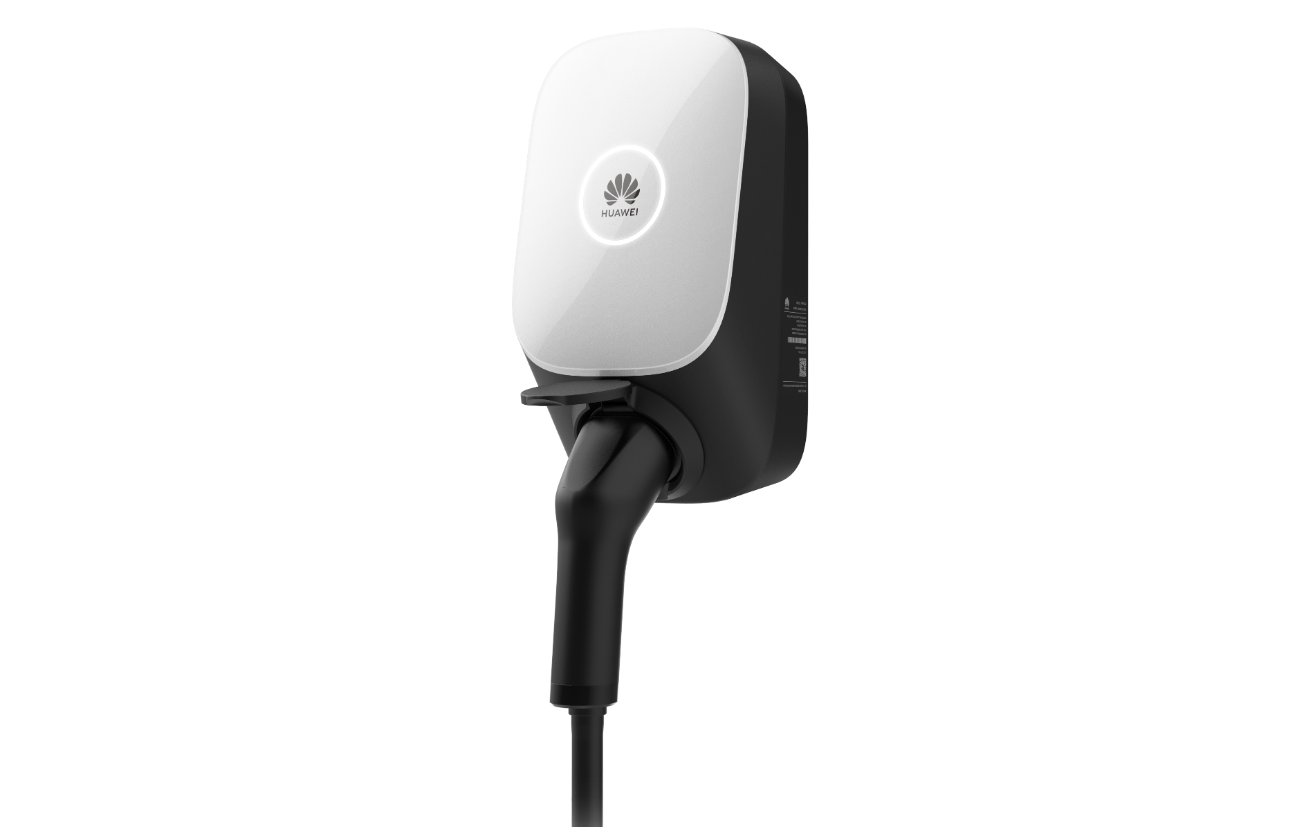
- Huawei intelligent single-phase charging station – price 5,304 lei
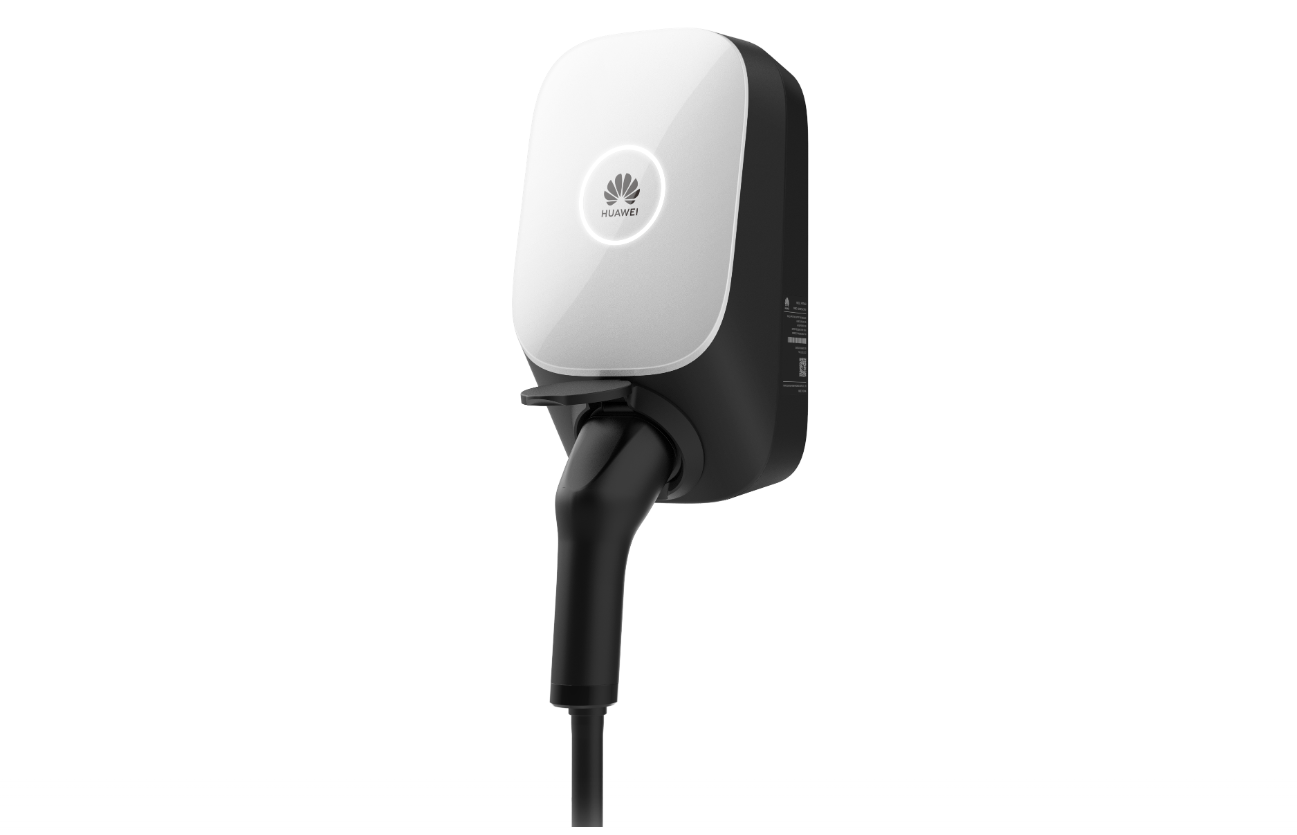
- Huawei Smart C three-phase charging station – price 5,408 lei

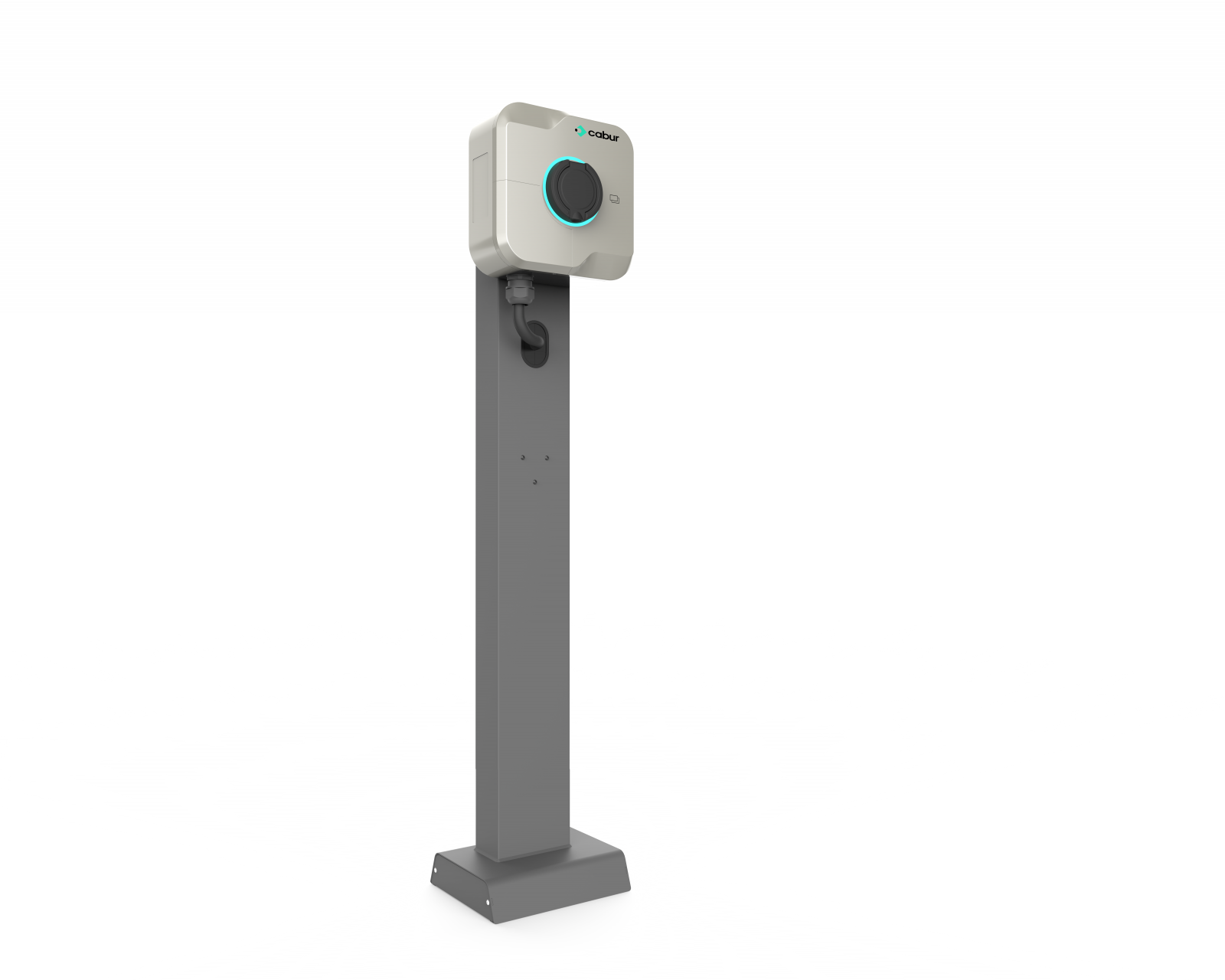
- 22 kW three-phase charging station, Cabur, without cable + pole – price 6500 lei
A single-phase home charging station therefore costs around 1000 euros. A three-phase charging station (22 kW) with additional equipment costs 1,300 euros or more. Recharge in the comfort of your home, quickly, safely and with minimal costs, taking advantage of reduced night-time electricity rates. Home charging stations are easy to use and install.
If you want to make the most of the advantages of an electric car, including charging at home with the help of a station for home use, we invite you to talk to one of the specialists at E-accumulatori.ro. You will receive technical assistance to purchase the charging station best suited to your needs and the car you own. Contact us and we will answer all your questions, so that this purchase has no more unknowns for you. We offer you all the support you need to benefit from the advantages of a charging station at home (0745 775 777).
latest posts published
About new generation thermodynamic solar systems
Solar panels and minimalist design: how to integrate them into modern architecture
The impact of solar energy on the energy market landscape

How to choose the right electric scooter for my lifestyle

Innovative solutions to monetize the energy of domestic solar panels
What is the difference between prosumer and producer of electricity
Solar panels for your business, profitable or not?
Solar panels for charging electric vehicles
Renewable solar energy: clean and healthy future