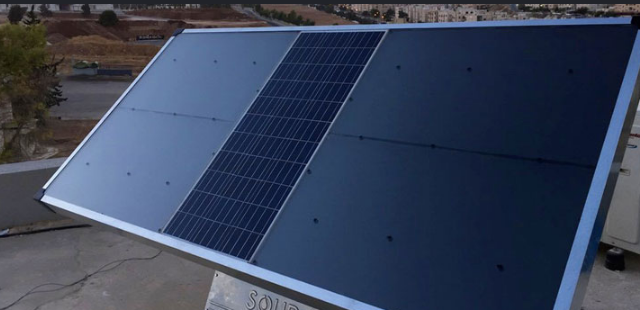

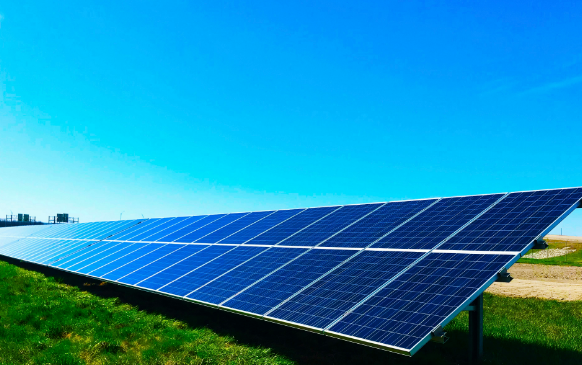
A few decades have gone by since solar power was first utilized as a different energy source. It has been a long, at times tough journey. But it has been worth it. In earlier days, solar panels were not very powerful and needed a lot of space. However, new solar photovoltaic technology has fixed many issues. Today, because of fresh improvements in photovoltaic technology, we can discuss advanced solar panels, which are more effective and dependable than ever.
Improvements in this large area are creating opportunities for more affordable models that produce clean energy in creative ways. The solar energy sector has expanded far beyond the usual solar panel. This shift involves new inventions testing different shapes and materials to increase the sun’s ability to produce clean energy. Experts are developing or have already launched flexible solar cells that can attach to nearly any type of surface.
Innovative solar panels: very thin cells
It is already known that solar energy is one of the most abundant clean energy sources on the planet. Both scientists and consumers have long dreamed of a more flexible option for bringing energy wherever we need it: integrated into vehicles, camping tents, and even clothing. To this end, researchers have sought to create solar cells, the building blocks of solar panels, that are thin and energy efficient. Researchers at the Massachusetts Institute of Technology have found a solution and have built flexible, lightweight solar cells that can stick to a variety of surfaces, including fabrics. These are very thin solar cells.
Importance of 15 micron thick solar cells
These solar cells could turn any surface into an energy source. We present below why they are considered innovative.
- The novelty of this type of solar cells. Instead of glass, the researchers opted for a 3-micron-thick plastic called polyethylene terephthalate (PET). They also chose to use an organic version of light-sensitive photovoltaic (OPV) cells. Made of polymers, they are lighter, more flexible and cheaper than most inorganic silicon-based electronic components.
- The importance of this technology. This solar cell is 15 microns thick, which is thinner than a human hair. It has been transferred to a super light and durable fabric. The new cells can generate 18 times more energy than conventional solar panels.

Double-sided solar panels: greater efficiency and longevity
Bifacial solar panels are developing rapidly. How exactly does it work? The back of the double-sided panel captures sunlight, so it can produce 10-15% more electricity than traditional single-sided panels. Consequently, to obtain the same power it is necessary to install fewer panels, thus reducing the total space required. The new solar modules can be used at more than 80% capacity, for a longer period of time. The average lifespan of a photovoltaic module today is around 30 years. The advantages for those who invest in solar energy are immeasurable. Initial and installation costs can be offset by savings on energy bills. Additionally, they can be overcompensated with passive income over a longer lifetime.
Conclusion
The journey of solar energy over the past several decades is a remarkable example of how innovation and perseverance can transform an emerging technology into a cornerstone of modern energy production. When solar power was first introduced as an alternative energy source, its potential was widely recognized, but significant limitations hindered its widespread adoption. Early photovoltaic modules were relatively inefficient, expensive, and required large installation areas to generate meaningful amounts of electricity. Despite these challenges, continued research and technological development laid the foundation for the impressive advancements we see today.
Modern photovoltaic technology has successfully addressed many of the obstacles that once limited the effectiveness of solar energy systems. Today’s solar panels are significantly more efficient, capable of converting a greater percentage of sunlight into usable electricity while occupying less space. Improvements in materials, cell design, and manufacturing processes have enhanced performance and durability, making solar installations more reliable and cost-effective than ever before. These advancements have contributed to the rapid growth of solar energy across residential, commercial, and industrial sectors.
One of the most important achievements of innovative solar technology is its ability to deliver greater energy production while reducing overall costs. As panel efficiency has increased, the return on investment for solar installations has become more attractive, encouraging wider adoption around the world. At the same time, improved durability and longer product lifespans provide users with dependable energy generation for decades, maximizing both economic and environmental benefits.
The evolution of solar technology has also strengthened the role of renewable energy in addressing global environmental challenges. By producing electricity without direct greenhouse gas emissions, modern solar systems help reduce dependence on fossil fuels and support efforts to combat climate change. As governments, businesses, and individuals increasingly prioritize sustainability, advanced photovoltaic solutions are playing a crucial role in building a cleaner and more resilient energy future.
Looking ahead, innovation in solar energy is expected to continue at a rapid pace. Researchers are developing new materials, higher-efficiency solar cells, and integrated energy storage solutions that promise even greater performance and accessibility. These breakthroughs will further enhance the competitiveness of solar power and expand its potential applications across a variety of industries and environments.
In conclusion, the progress made in photovoltaic technology over the last few decades demonstrates the extraordinary potential of renewable energy innovation. What was once a promising but limited technology has evolved into a highly efficient, reliable, and economically viable energy solution. Thanks to continuous advancements, modern solar panels are helping drive the global transition toward sustainable energy, proving that the long journey of solar development has been well worth the effort.
latest posts published
About new generation thermodynamic solar systems

Solar panels and minimalist design: how to integrate them into modern architecture
The impact of solar energy on the energy market landscape

How to choose the right electric scooter for my lifestyle

Innovative solutions to monetize the energy of domestic solar panels

What is the difference between prosumer and producer of electricity

Solar panels for your business, profitable or not?
Solar panels for charging electric vehicles
Renewable solar energy: clean and healthy future