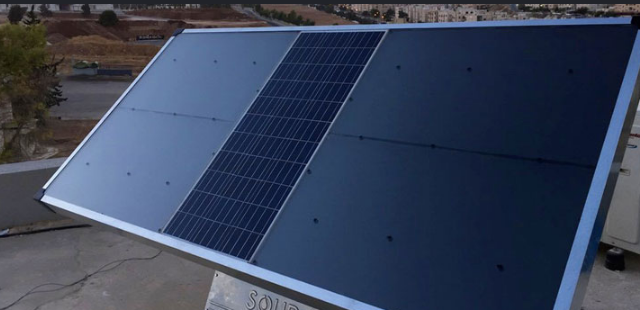
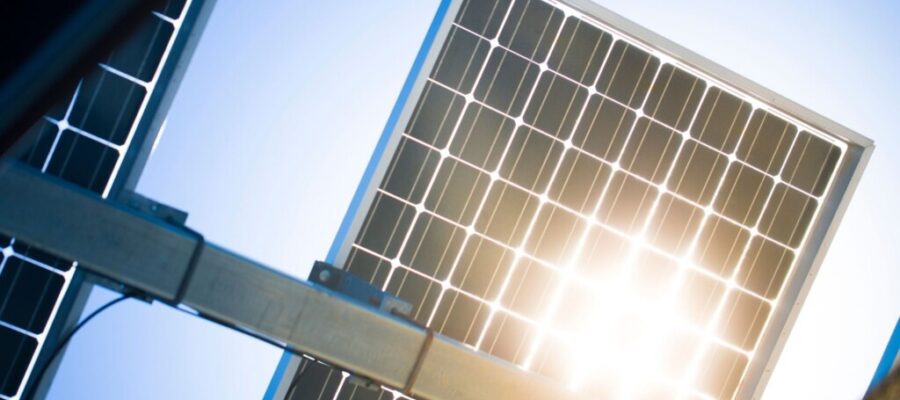
Production of solar panels: materials and parts Various kinds of materials are used in making solar panels. To create a top-notch device that collects sunlight as effectively as it can, several parts are involved.
Solar panels can be recycled quite easily. A lot of the materials can be reclaimed through different methods and reused in making new ones. Glass or aluminum account for 90% of the materials that form a solar panel, only 3% are solar cells, and the remainder comes from wires and glues.
What are the components of a solar panel?
Most silicon PV modules consist of a transparent top surface, an insulator, a final layer, and a protective case around the outer edge. The top surface is usually made of glass. The insulation is made of EVA (ethylene vinyl acetate) and the last layer is Tedlar. The main components that form this panel are:
- Frame / Box – usually aluminium. The structure of the window must not have protrusions that could cause the deposit of dust or retain water.
- Transparent reinforced glass. A surface with the least possible reflection to allow sunlight to reach the solar cell without degradation or loss.
- EVA (ethylene vinyl acetate) insulation. It is stable at high temperatures and long exposure to ultraviolet rays. This transparent layer has the role of isolating the solar cell from the external/internal layer of the panel.
- Solar cell: can be monocrystalline or polycrystalline.
- The Teds – an insulating film to prevent the formation of water vapor and humidity.
Materials used in the manufacture of solar panels
The main material used in the production of solar panels which is found in 95% of solar systems installed in the world is silicon. At the same time, this is the second most common chemical element (after oxygen), which makes it economical and easy to use in technical applications. Other materials used in the production of a typical solar panel are:
- Solar cell – Crystalline silicon (c-si), silicon nitride
- Solar cell sealant: silicone rubber or ethylene vinyl acetate (EVA)
- Final layer – Mylar (polyester) or Tedlar
- Frame: aluminium
- Cover – Glass
- Wiring: aluminum or copper, thermoplastic material resistant to humidity and heat
Modern photovoltaic materials used in civil construction mainly consist of transparent organic solvents or carbon-rich organic compounds. The resulting transparent and colored solar panels can be used in the construction of windows and exterior walls to generate solar energy.
Modern solar panels using crystalline silicon cells contain virtually no toxic materials (cadmium or tellurium). Solar panels do not pollute. Even if damaged, they do not cause any contamination because the cells are encapsulated in highly durable polymer layers and do not contain easily soluble materials.
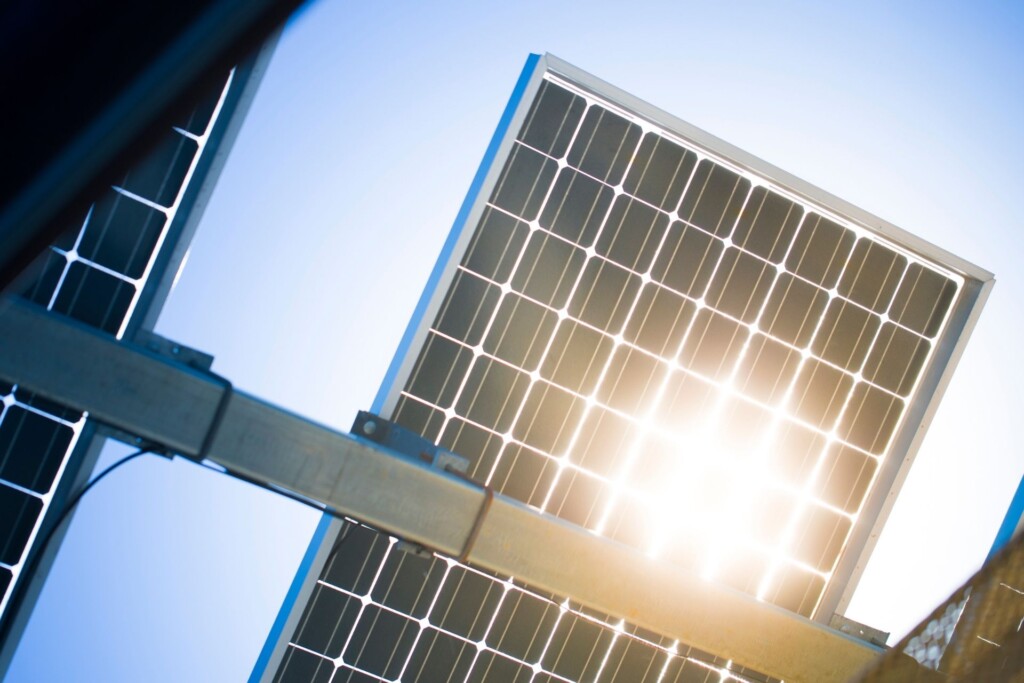
High efficiency solar energy generation systems
The use of recently discovered materials improves the performance of solar power generation systems. At the same time, it enables technological development. The trend for future research is to focus on materials that can make solar panels even more convenient and durable than current ones.
Manufacturing companies are investing considerable sums in discovering new types of materials that will eliminate some of the construction limitations of current solar panels.
Conclusion
The production of solar panels is a sophisticated process that combines advanced engineering with carefully selected materials to create reliable and efficient renewable energy systems. Every component, from the photovoltaic cells to the protective glass, aluminum frame, encapsulating layers, and electrical connections, plays a vital role in ensuring that solar panels can convert sunlight into usable electricity while withstanding years of exposure to changing weather conditions. The quality of these materials has a direct impact on the panel’s efficiency, durability, and long-term performance.
Among all the parts, solar cells are the core of every solar panel. Most current panels depend on high-quality silicon because of its great ability to change sunlight into electrical energy. However, the effectiveness of the whole system relies not just on the solar cells but also on the materials that shield them from moisture, temperature changes, physical stress, and damage from the environment. High-quality glass, strong polymer coverings, rust-resistant aluminum frames, and effective electrical connectors all help to increase the working life of the panel.
As solar technology keeps improving, makers are always creating more effective materials and ways to produce. These advancements have led to panels that produce more electricity while needing less upkeep and taking up less space for installation. Better manufacturing standards also boost reliability, allowing many modern solar panels to work well for 25 years or longer with just minimal maintenance.
Choosing high-quality solar panels is an investment that goes beyond the initial purchase price. Products manufactured with premium materials generally offer higher energy output, better resistance to extreme weather, and lower degradation rates over time. This means homeowners and businesses can maximize their return on investment through increased electricity production and reduced energy costs throughout the system’s lifespan.
Ultimately, understanding the materials and components used in solar panel production helps consumers make more informed purchasing decisions. Every layer and component contributes to the panel’s ability to deliver clean, renewable energy efficiently and safely. As demand for sustainable energy continues to grow, investing in well-manufactured solar panels becomes an important step toward reducing carbon emissions, lowering electricity expenses, and supporting a cleaner future. High-quality materials, combined with continuous technological innovation, ensure that solar energy remains one of the most reliable and environmentally friendly power solutions available today.
latest posts published
About new generation thermodynamic solar systems
Solar panels and minimalist design: how to integrate them into modern architecture
The impact of solar energy on the energy market landscape

How to choose the right electric scooter for my lifestyle
Innovative solutions to monetize the energy of domestic solar panels
What is the difference between prosumer and producer of electricity
Solar panels for your business, profitable or not?
Solar panels for charging electric vehicles
Renewable solar energy: clean and healthy future