Solar farm: the future of business with solar panels It should be clear from the beginning that the word “farm” is not used here with solar panels in the way we think of production sites that earn money from raising animals or growing plants. The solar park is, in reality, a solar energy park. It is a complicated electrical and electronic setup that gathers the most sunlight possible over large areas of land, changes it into electricity which is sent to the national grid.
What is a solar park and how does it work?
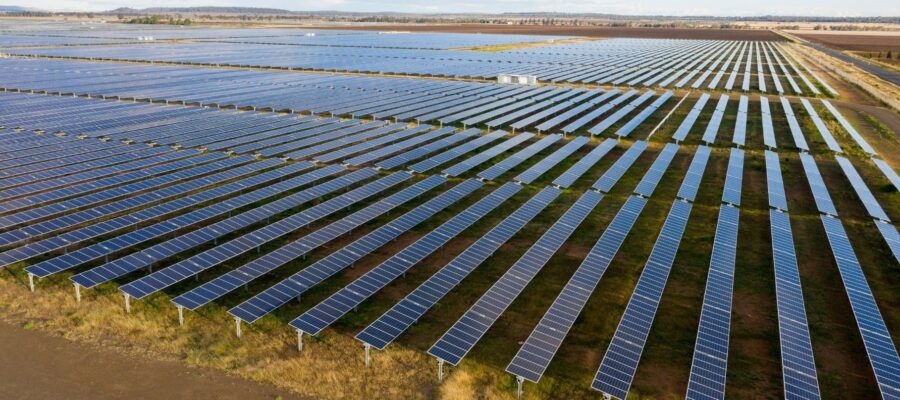
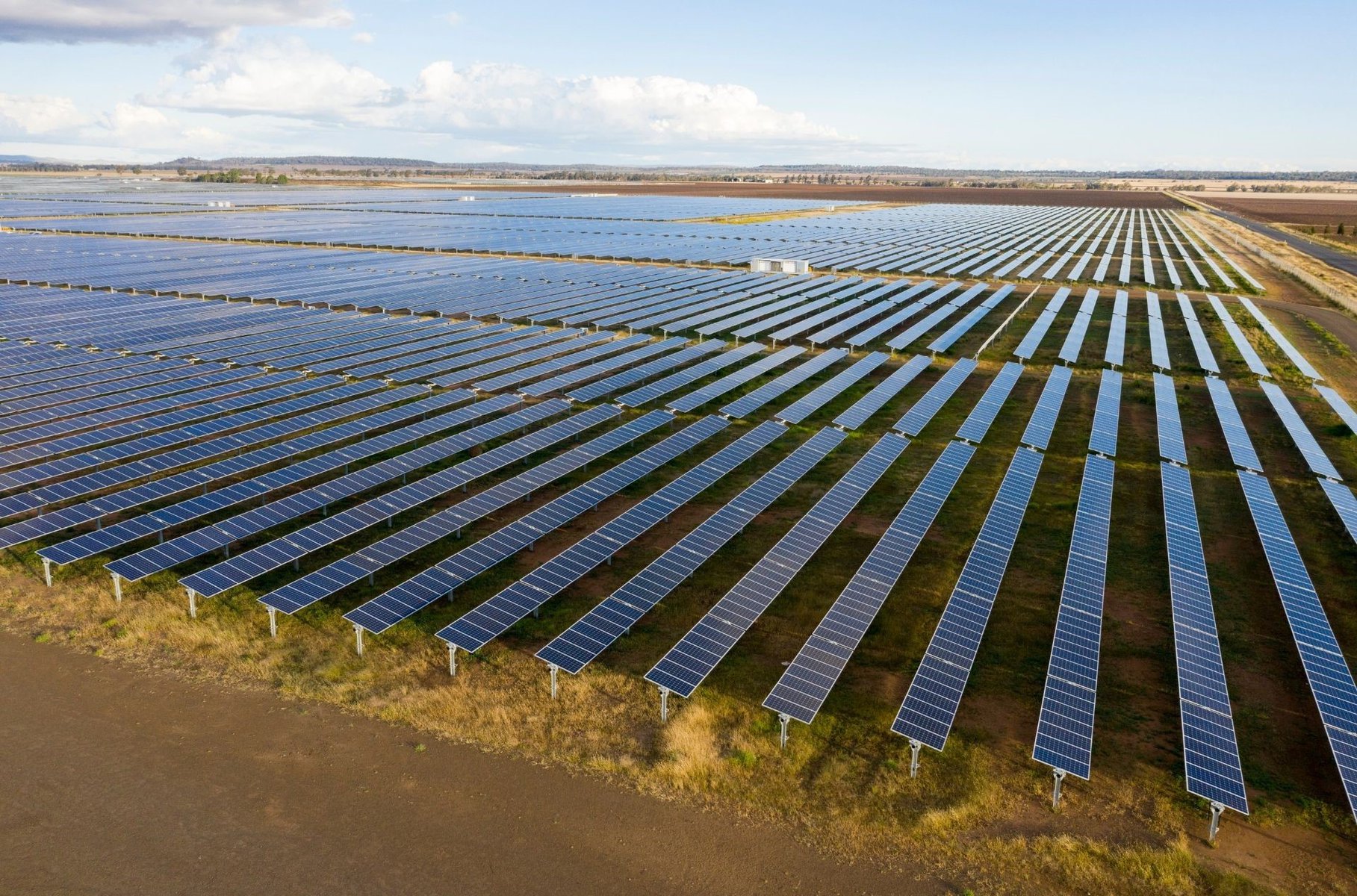
A solar farm is a large collection of photovoltaic panels that absorb solar energy and convert it into electricity. This is further fed into the national distribution network and consumed by subscribers (families or economic operators). In most cases, solar parks are mounted on the ground (not on roofs). They can be composed of several tens or thousands of panels.
Depending on the amount of electricity produced, solar parks can be of two types:
- Community. These are solar systems with a limited number of panels serving residential neighborhoods/complexes. The energy produced, approximately 5 MW, helps the community to, in exchange for an initial investment, obtain discounts on subsequent electricity bills.
- Utility. Using very large areas of land, this type of solar park consists of hundreds of thousands of solar panels that absorb solar energy and generate electricity. It then distributes it using the high voltage lines of the national grid. The amount of energy generated is also considerable. In Romania, the largest photovoltaic park (the second in Europe) was carried out in the county of Satu Mare. Spread across 135 hectares, the solar panels produce approximately 93 MW per day.
The long-term benefits of solar parks
Setting capacity records year after year, the number of solar farms has grown faster than other forms of renewable energy production. As new technological breakthroughs make their way into the mass production of solar panels, the cost of photovoltaic systems is starting to become more affordable for companies with limited financial resources. Here are the main advantages of the classic solar park:
- Protects the environment. Solar panels do not emit harmful substances and do not pollute either the soil or the water. They thus produce the cleanest form of electricity.
- Reduced maintenance. Apart from occasional washing of the panels and monitoring of production values, the solar park can be profitable for decades without major interventions.
- No noise. The solar park does not generate noise pollution. The only noises occur when electric current passes through high voltage cables.
- sustainable. As in any business, companies that invest in solar parks rely on economic forecasts to subsequently generate a profit. Sunlight and human society’s growing need to use electricity guarantee the success of any such venture.
Investments in the production of renewable energy, the ecological alternative to the use of fossil fuels and non-renewable energy sources, should not be overlooked. It requires careful and informed financial planning. Most companies pay back their solar farm investment in the first 5 – 10 years. They will enjoy profit margins and free electricity for the next 30 years.
Conclusion
Solar farms are becoming a key part of the global shift to clean energy and sustainable economic growth. Although the word “farm” may first make people think of agriculture or raising animals, a solar farm is actually a large solar panel setup designed to collect sunlight and turn it into electricity. These locations represent a new and effective way of using renewable energy, changing large areas of land into valuable resources that produce clean power for neighborhoods, businesses, and national electricity grids.
The significance of solar farms comes from their capacity to generate large quantities of electricity without the harm to the environment that traditional fossil fuel power plants cause. By using solar technology, solar parks can turn sunlight straight into electrical energy, which is then sent to the national grid for consumers. This helps lower greenhouse gas emissions, cut down on reliance on non-renewable energy sources, and aid efforts against climate change.
From a business angle, solar farms provide excellent chances for lasting profits and investment growth. As the need for clean energy keeps increasing, big solar projects are getting more interest from investors, energy firms, and governments. Once running, solar parks can produce steady income through electricity sales while enjoying relatively low upkeep costs compared to many old power generation setups. Their long lifespan makes them even more financially appealing and offers predictable long-term earnings.
Alongside economic advantages, solar farms are crucial in enhancing energy security and sustainability. By boosting the share of clean energy in the electricity supply, countries can better shield themselves from changing fossil fuel markets and strengthen their energy systems. Large-scale solar power generation also promotes a mix of energy sources, helping to create a more balanced and dependable power system to meet future energy needs.
Technological advancements continue to improve the efficiency and performance of photovoltaic installations, making solar farms even more competitive. Modern solar panels, tracking systems, and energy management technologies enable these facilities to maximize energy production and optimize the use of available land. As innovation progresses, solar farms are expected to become an even more significant contributor to global electricity generation.
In conclusion, solar farms represent the future of large-scale renewable energy production and a powerful business opportunity within the growing green economy. By converting abundant sunlight into clean electricity, they provide economic value, environmental benefits, and long-term energy security. As the world continues to embrace sustainable energy solutions, photovoltaic parks will play an increasingly central role in building a cleaner, more resilient, and more prosperous future.
latest posts published
About new generation thermodynamic solar systems
Solar panels and minimalist design: how to integrate them into modern architecture
The impact of solar energy on the energy market landscape

How to choose the right electric scooter for my lifestyle
Innovative solutions to monetize the energy of domestic solar panels
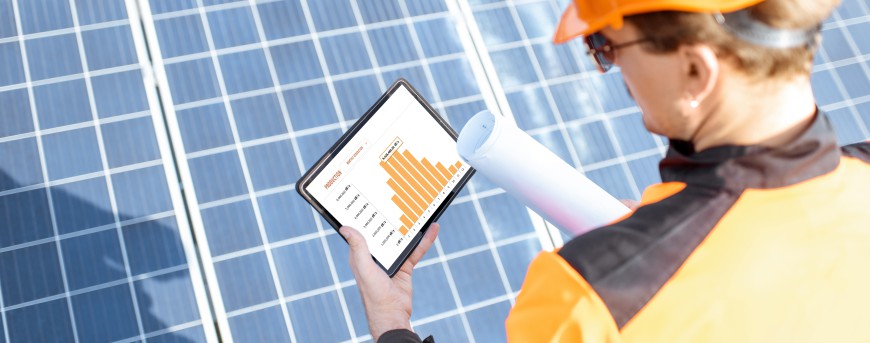
What is the difference between prosumer and producer of electricity
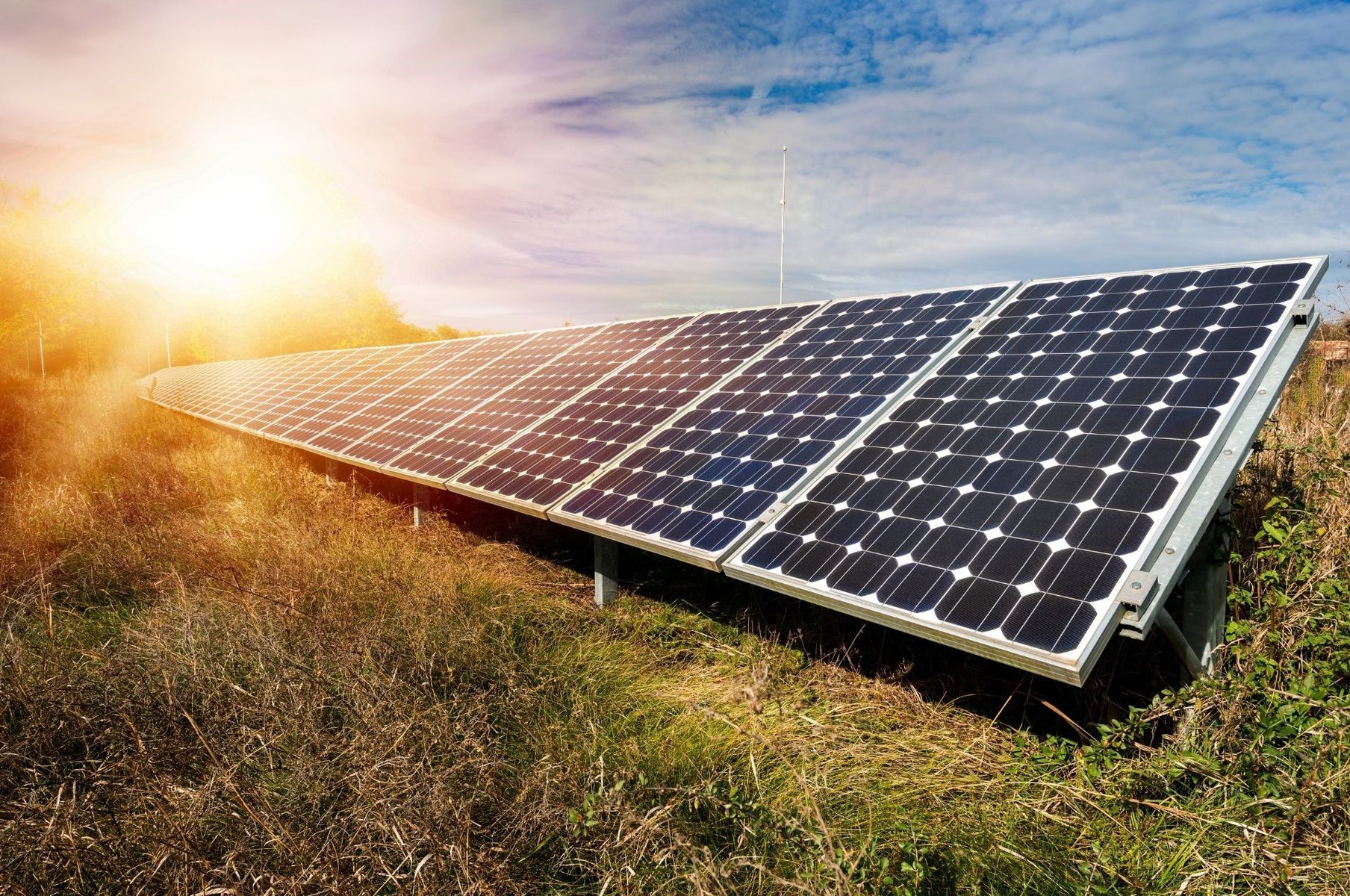
Solar panels for your business, profitable or not?
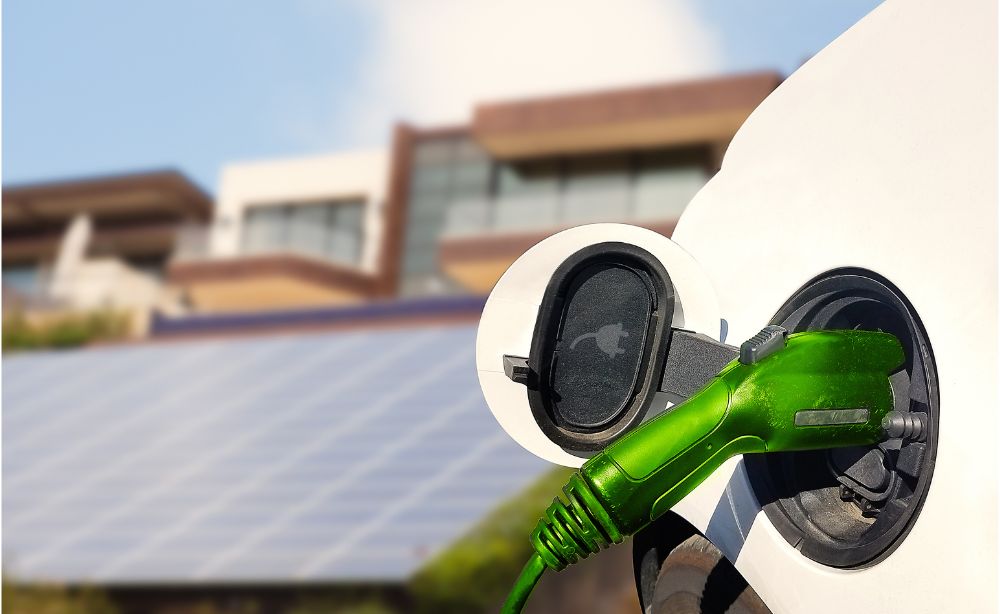
Solar panels for charging electric vehicles
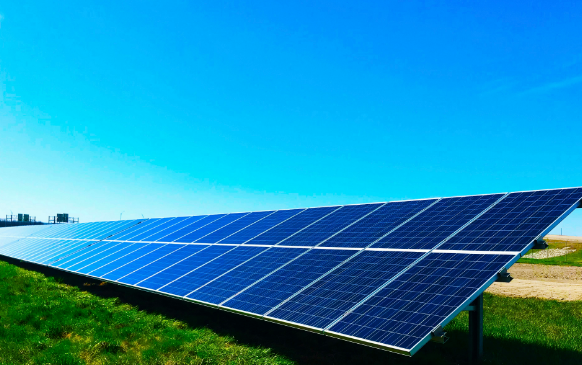
Renewable solar energy: clean and healthy future