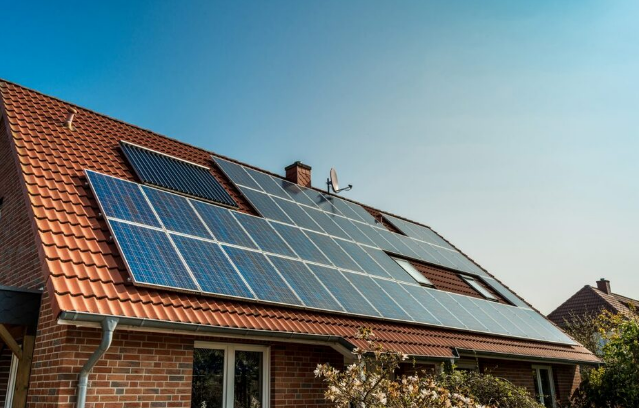
The addition of solar panels in building designs In many situations, solar panels are placed on the rooftops of homes or on existing facilities. But what takes place when builders start to include solar panels in the fronts of new buildings? A fresh area of architecture emerges.
“Solar architecture” exists at the point where contemporary style meets smart green energy production methods, already found in building fronts. By adopting this approach, architects are actively participating in the crucial challenge of climate change.
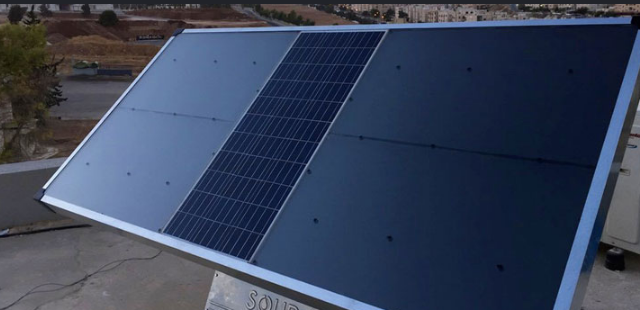
When we picture solar panels, we often think of solid squares with blue-tinted glass surfaces, which vary in aesthetic appeal. However, architects focused on including solar panels in their designs have access to panels that can imitate any variety of materials available to them. These panels are typically used in construction (for homes or businesses). Devices that gather solar energy and convert it into electricity can be added to windows (with adjustable levels of see-through), into various wall finishes, and within wooden or stone blocks. They can be made in any design or size.
Integration of photovoltaic panels: the latest projects
Thousands of examples of (smaller or larger) «solar architecture» projects can be cited. Some, however, are as spectacular as they are advanced in execution. However, all these buildings have two things in common. First of all, it positively contributes to the reduction of carbon emissions. Hence, this technique can pave the way for those who will exclusively use renewable energy to secure their energy needs.
- Sustainability Pavilion (Expo 2020, Dubai). The 5,080 integrated BIPV glass modules were individually designed. It forms a circular roof made up of several solar panels that look like satellite dishes. The structure is accessible for cleaning and maintenance and is characterized by long-term stability of the glass composite.
- +e Kita (kindergarten, day care center in the city of Marburg, Germany). Using active glass facades to capture solar energy, although more expensive than conventional glass facades, pays off in the long term. While a plastered or stone facade only protects the house from environmental influences, the active glass facade continuously supplies energy. The project, completed in 2014, is already a success story. “Solar architecture” can produce beautiful, energy-efficient results, even when used for a small building.
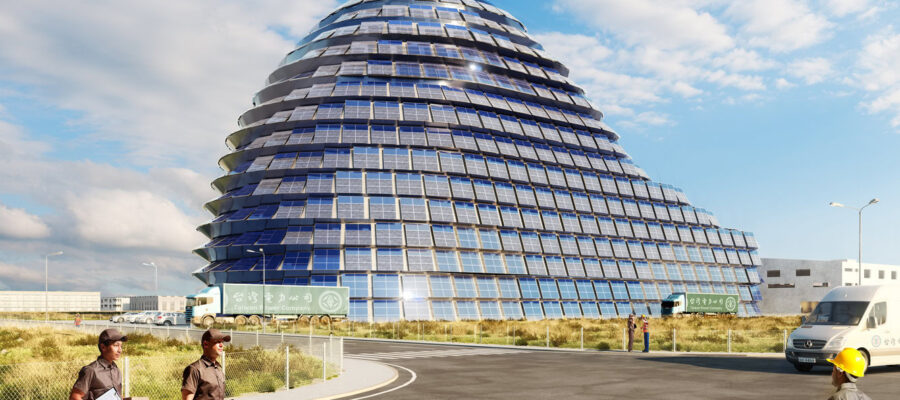
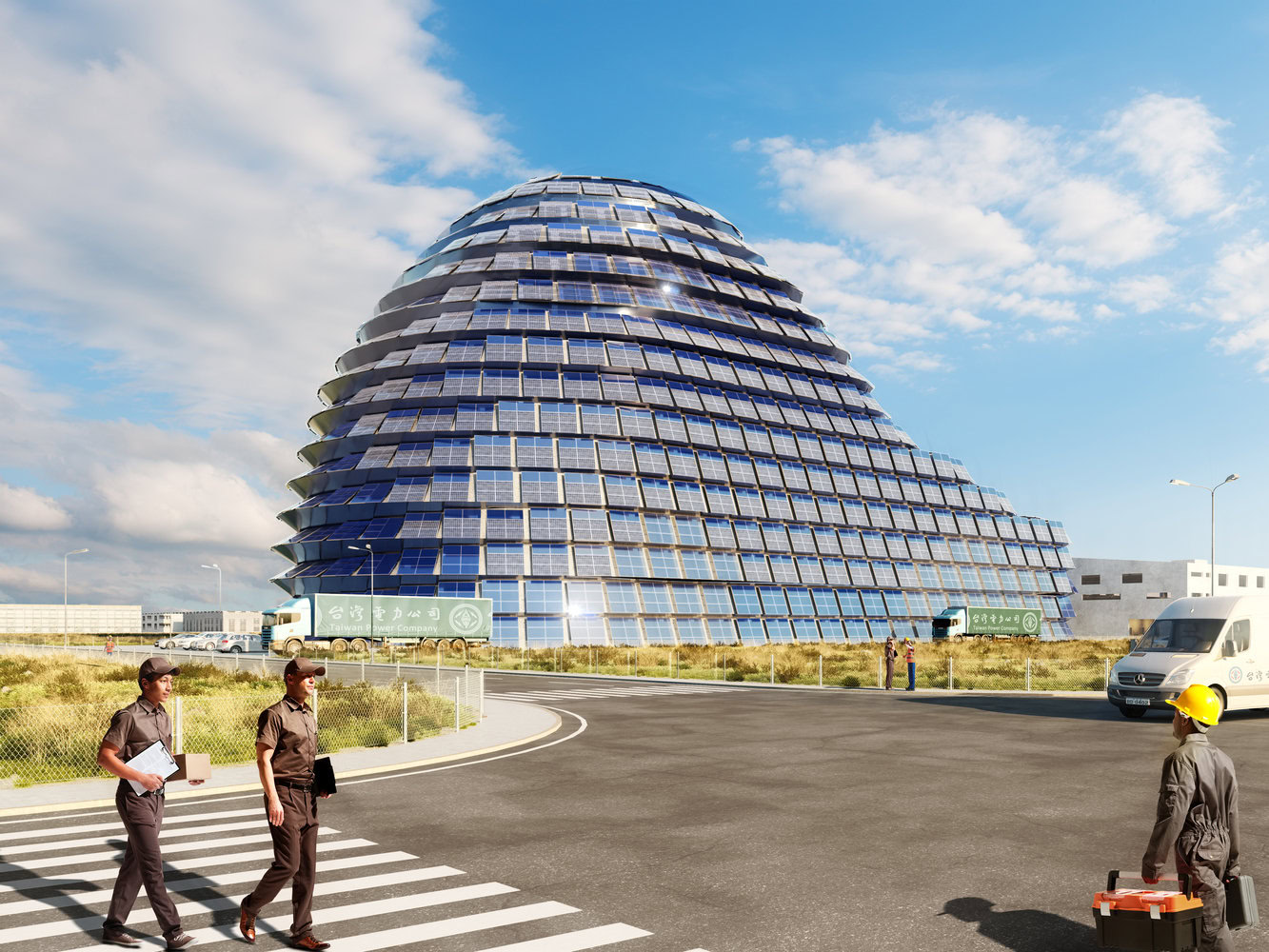
- Headquarters of Taipower (National Electricity Company, Taiwan). Also called the “Stone of the Sun” (pictured), the building will be clad with inclined solar panels and a photovoltaic system that will produce and store enough energy to meet its needs. The excess will be redistributed to the national grid. In addition to storage and maintenance spaces, the building will house offices, laboratories and an art gallery.
Solar technology without limits
The availability of these materials incorporating solar technology means that the design of modern buildings knows no limits. These building materials/solar panels can be successfully integrated not only into living spaces. They can be embedded in civil buildings (railway stations, bus shelters or on the roofs of production spaces covered with tiles which do not differ – visually – from traditional ones, but which guarantee significant savings for commercial agents).
Conclusion
The integration of photovoltaic panels into modern building architecture represents an exciting evolution in both sustainable construction and renewable energy generation. Rather than treating solar panels as separate additions installed only on rooftops, architects and engineers are increasingly incorporating photovoltaic technology directly into building facades, roofs, windows, and other structural elements. This innovative approach, often referred to as building-integrated photovoltaics (BIPV), combines energy production with architectural design, creating structures that are both visually appealing and environmentally responsible.
One of the greatest advantages of integrating photovoltaic panels into buildings is the efficient use of available space. Urban environments often have limited roof areas, especially in high-density cities, making building facades an excellent alternative for capturing solar energy. By transforming walls, glass surfaces, and exterior cladding into electricity-generating components, modern buildings can significantly increase renewable energy production without requiring additional land or separate solar installations.
Building-integrated photovoltaic systems also offer important aesthetic benefits. Traditional solar panels, while highly effective, may not always align with architectural design preferences. Modern BIPV solutions are available in various colors, shapes, materials, and transparency levels, allowing architects to seamlessly incorporate renewable energy technology into contemporary designs without compromising visual appeal. This flexibility encourages wider adoption of solar energy in residential, commercial, and public buildings.
Beyond their architectural value, integrated photovoltaic systems contribute significantly to energy efficiency and sustainability. Buildings equipped with solar facades generate clean electricity on-site, reducing dependence on conventional energy sources and lowering greenhouse gas emissions. In many cases, photovoltaic building materials also provide additional insulation, shading, and thermal performance, helping reduce heating and cooling demands while improving overall energy efficiency.
As technology continues to advance, integrated solar building materials are becoming more efficient, durable, and cost-effective. Innovations in photovoltaic glass, flexible solar materials, and smart building technologies are expanding the possibilities for architects and developers to create energy-positive buildings capable of producing a substantial portion of their own electricity. These developments support the growing demand for sustainable urban infrastructure and environmentally responsible construction practices.
Ultimately, the integration of photovoltaic panels into building architecture represents the future of sustainable design. By combining clean energy generation with innovative construction techniques, modern buildings can become active contributors to the renewable energy transition rather than simply consuming electricity. As cities continue to grow and sustainability becomes an essential priority, building-integrated photovoltaics will play an increasingly important role in creating smarter, more energy-efficient, and environmentally friendly urban environments for generations to come.
latest posts published
About new generation thermodynamic solar systems
Solar panels and minimalist design: how to integrate them into modern architecture
The impact of solar energy on the energy market landscape

How to choose the right electric scooter for my lifestyle

Innovative solutions to monetize the energy of domestic solar panels
What is the difference between prosumer and producer of electricity

Solar panels for your business, profitable or not?
Solar panels for charging electric vehicles
Renewable solar energy: clean and healthy future