Solar inverters are important devices in a solar power system. Their job is to change the direct current produced by solar panels into alternating current, which can be used right in the grid or saved in batteries.
There are various kinds of inverters, based on how they function. The most common are the standard on-grid inverters, which connect straight to the grid. They operate when it is sunny, but also at night when I am not using the grid.
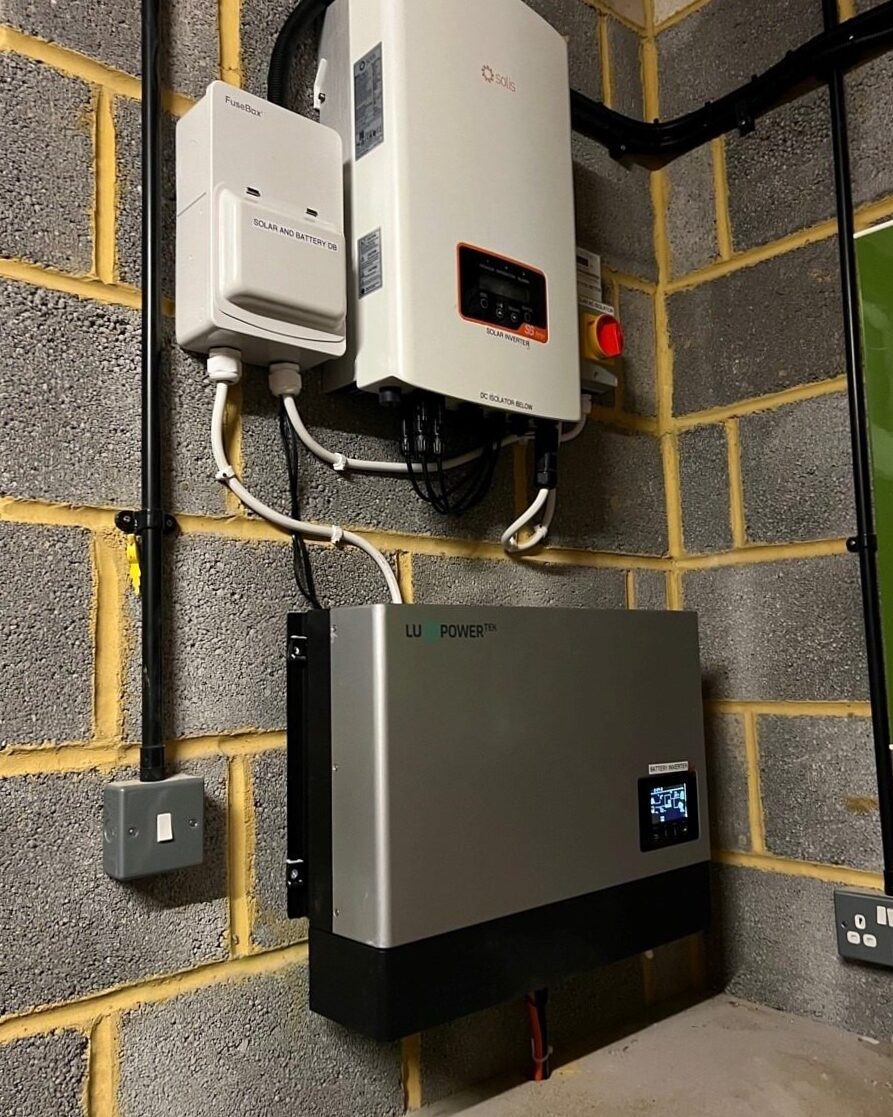
Next, we have hybrid solar inverters which also have an off-grid feature, meaning they can function without the mains by using batteries. They are a great option for remote areas or as a backup system because of these benefits:.
- They can work both online and offline, ensuring continuity of power supply even in the event of power outages.
- It supports batteries to store excess solar energy and ensure power even in the evening or on cloudy days.
- It guarantees the permanent energy supply of the entire large-scale photovoltaic system, regardless of weather conditions.
- They are more flexible in terms of system administration and expansion, allowing the easy addition of additional modules.
- They have a high power capacity and allow the connection of a greater number of photovoltaic panels to maximize production.
- It provides advanced monitoring, management and security solutions for large installations.
- It guarantees optimal energy yield in all conditions, as well as a rapid return on investment through advanced functions.
Another type of solar inverters are those ropewhich are mounted directly on the panels because they take the power from a row of panels. They are cheaper, but less flexible in terms of administration. Among the advantages brought to the system we remember:
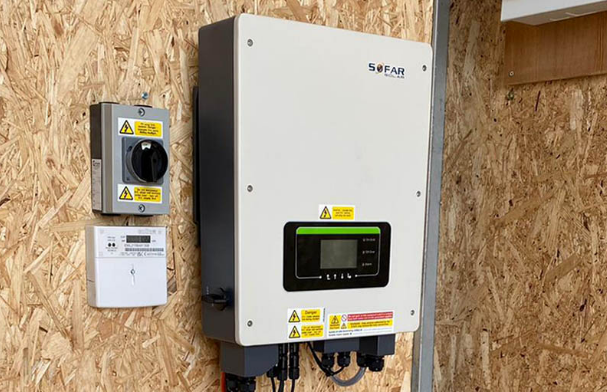
- Low costs – being integrated directly into the panels, string inverters are cheaper than central ones.
- Simplicity of design: It has a single electrical communication cable between the panel and the inverters, making them easy to install.
- High efficiency: eliminates energy losses generated by the length of the cable.
- They are easy to maintain and replace: panels can be replaced individually without compromising the entire system.
Solar inverters therefore represent the key component that allows photovoltaic energy to be integrated and distributed into any energy system. You have to choose based on your needs, budget and location. String inverters are recommended for small, standardized systems, not for more complex professional applications. In contrast, micro-retention central inverters have the advantage of being able to easily add additional modules and control everything from a single point.
Conclusion
The foundational role of solar inverters within photovoltaic (PV) systems cannot be overstated. As the text highlights, these devices serve as the critical bridge between energy generation and practical consumption, transforming raw direct current (DC) into usable alternating current (AC). Without this pivotal conversion process, the electricity captured by solar panels would remain incompatible with standard electrical grids, household appliances, and industrial machinery. Beyond this primary function, modern solar inverters have evolved into the intelligent «brains» of solar installations, managing power flow with remarkable precision and enabling seamless integration with the broader electrical infrastructure.
By facilitating the redirection of converted energy either directly into the utility grid or into dedicated battery storage systems, inverters maximize the overall efficiency and flexibility of renewable energy. When generation exceeds immediate demand, the ability to store power or feed it back into the grid ensures that no clean energy goes to waste. This dual capability is fundamental to solving the intermittency issues inherent to solar power, allowing for a steady, reliable energy supply even when the sun is not shining. Consequently, the development and optimization of inverter technology directly influence the economic viability and operational success of solar projects worldwide.
Furthermore, as the global transition toward sustainable energy accelerates, the demand for advanced inverter systems continues to rise. Hybrid and smart inverters now feature sophisticated monitoring software that tracks system performance in real-time, detects faults instantly, and optimizes voltage levels to prevent power loss. This high level of control not only safeguards the physical components of the photovoltaic system but also stabilizes local grids against sudden fluctuations in power supply.
latest posts published
About new generation thermodynamic solar systems
Solar panels and minimalist design: how to integrate them into modern architecture
The impact of solar energy on the energy market landscape
How to choose the right electric scooter for my lifestyle
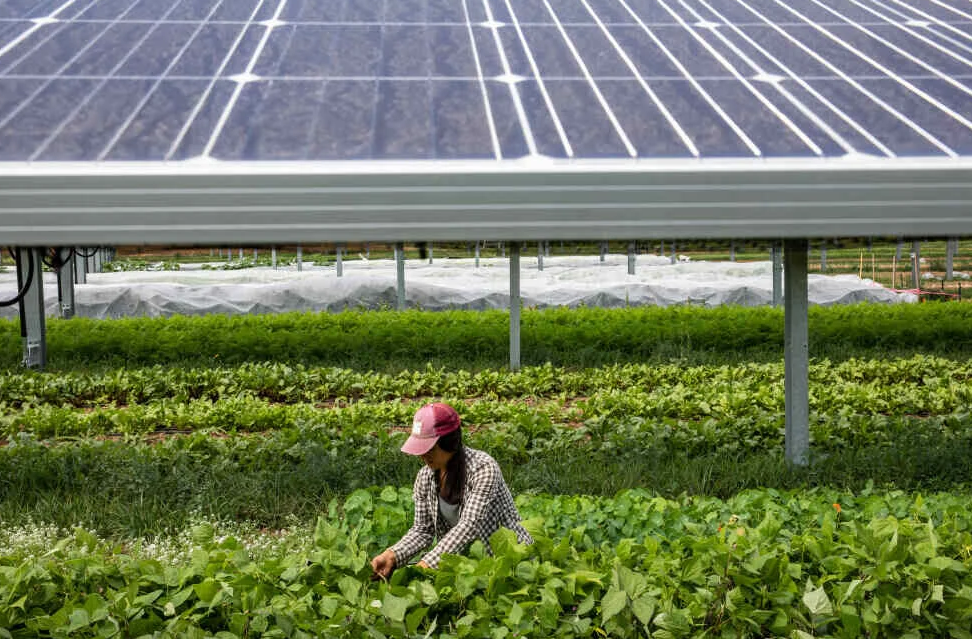
Innovative solutions to monetize the energy of domestic solar panels
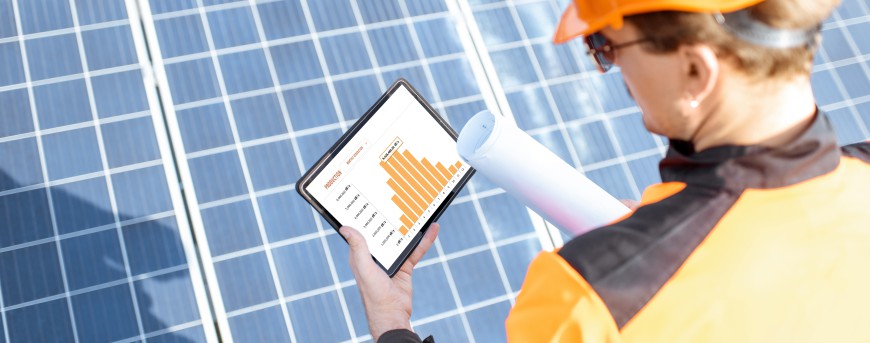
What is the difference between prosumer and producer of electricity
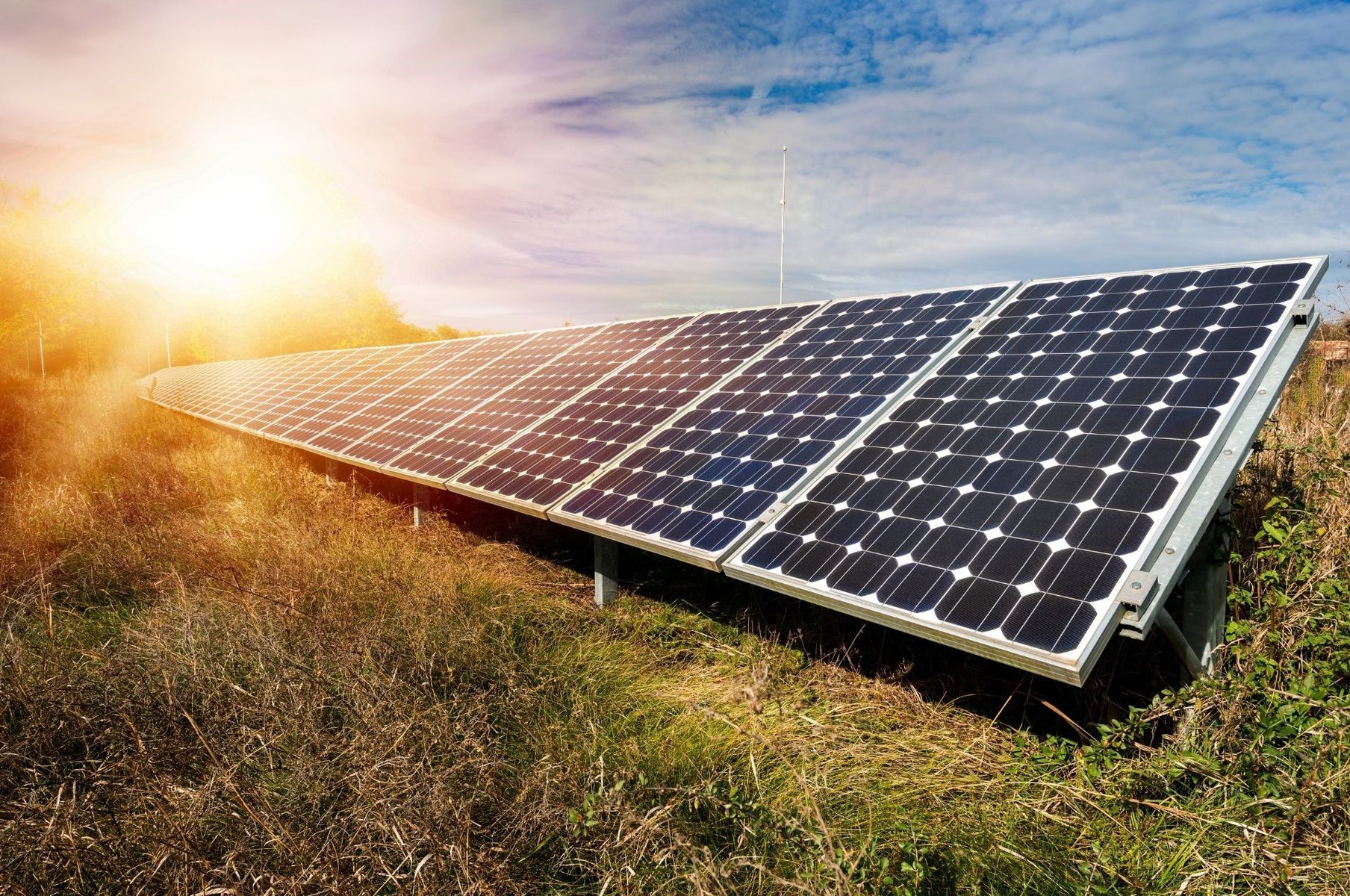
Solar panels for your business, profitable or not?
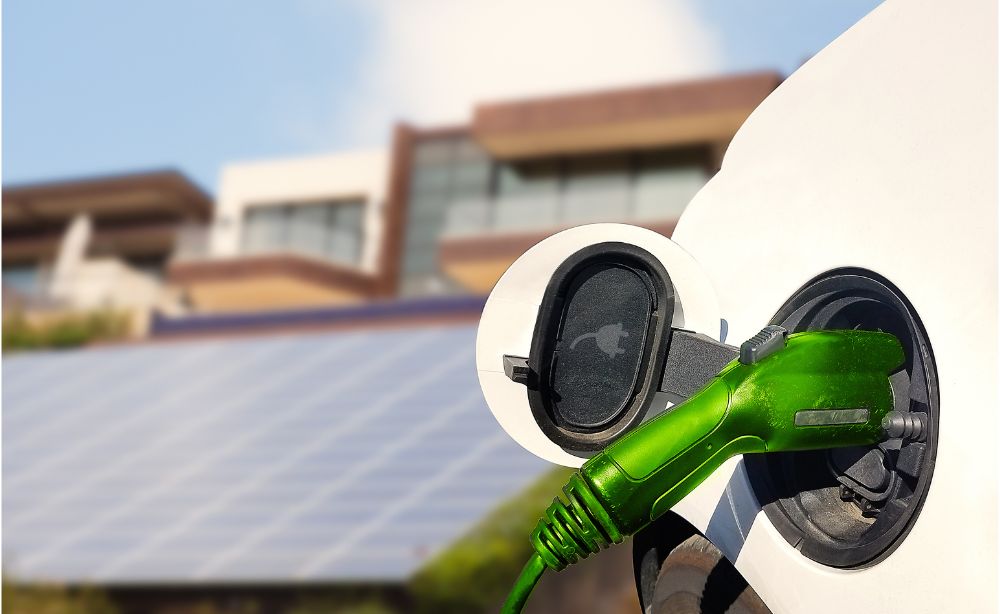
Solar panels for charging electric vehicles
Renewable solar energy: clean and healthy future