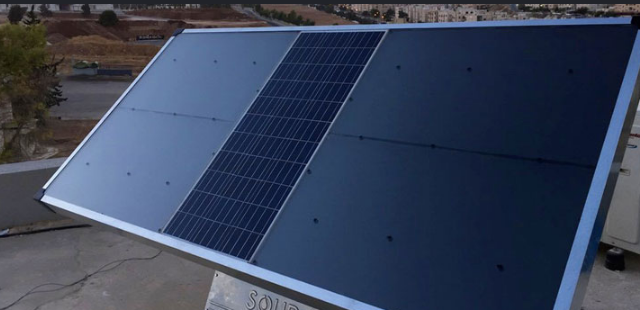
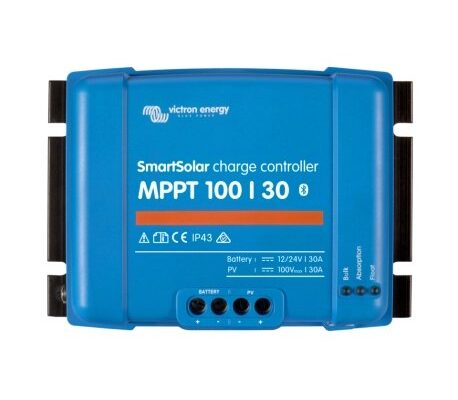
A controller or regulator, as it is also known, is an essential component of a solar charging kit, with the role of protecting and automating battery charging. Without it, your batteries can become overcharged, your solar system damaged, and a significant amount of energy wasted. There are different types of solar controllers. In this article you can find out more about MPPT and situations in which this controller is recommended over others.
What does MPPT mean and what is its role in the solar system
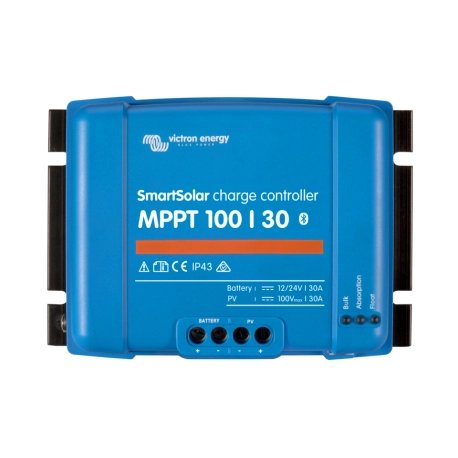
The MPPT controller uses the «Maximum Power Point Tracking» method and is a DC-DC converter that optimizes the energy transfer between photovoltaic solar panels and storage batteries, the national grid or direct current solar pumps. Its main role is to ensure maximum efficiency of the solar system by optimizing energy production based on light conditions and battery status.
The basic components of a solar system operate on standard voltages of 12V, 24V, or 48V. However, solar panels provide a higher voltage at full power, and batteries have a variable voltage when charging. This is where the MPPT controller comes in, regulating the voltage supplied by the solar panels to the level needed to charge the batteries.
The MPPT controller analyzes the voltage and current supplied by the solar panels and determines the maximum power point. It then performs a conversion to charge the battery to the optimal voltage and current. This process ensures that all the available power of the solar panels is used, improving the efficiency of the solar system.
How does an MPPT controller work?
The MPPT controller works on the basis of an advanced algorithm that allows it to track and regulate the voltage and current delivered by the photovoltaic panels to maximize the efficiency of the solar system. It constantly monitors the output voltage of the solar panels and compares it with the battery voltage, adjusting the current to maximize the power output. Therefore, the MPPT controller ensures that the solar panels always operate at maximum power.
This controller is able to always extract the maximum possible power from the solar panels, thus ensuring that the potential of the solar system is used to its fullest. The maximum power point changes based on environmental conditions and battery condition, and the MPPT controller can adjust the current and voltage to always achieve maximum efficiency.
Temperature has a significant impact on the performance of solar panels and the MPPT controller plays an important role in managing this situation. In low temperature conditions, solar panels can produce more power, and the MPPT controller adjusts the voltage and current to take advantage of this extra power. In high temperature conditions, the power of the solar panels decreases and the MPPT controller adapts to maximize efficiency.
MPPT controller application examples
Here are some examples of situations where using an MPPT controller can be advantageous:
1. Bad weather or winter situations
During cloudy, rainy or winter periods, the number of hours of sunshine is reduced and solar panels do not generate energy at their maximum capacity. In these conditions, an MPPT controller can help maximize the energy yield of the panels, as it is able to identify and exploit the maximum power point, even in low light conditions. Therefore, the MPPT controller can help compensate for production losses caused by adverse weather or seasonal conditions.
2. Low temperatures
The lower the temperature, the better the performance of the solar panels. However, without an MPPT controller, the extra energy generated cannot be exploited. Therefore, in areas with low temperatures or during the winter months, using an MPPT controller can be very effective. By optimizing the maximum power point, the MPPT controller allows panels to operate at full capacity regardless of temperature, resulting in greater energy production.
3. Recharging discharged batteries
When a solar system’s battery is discharged, its voltage is low. An MPPT controller can detect this situation and inject a higher current to charge the battery faster. Therefore, the MPPT controller ensures efficient and fast charging of the battery, even in the event of deep discharge.
Read also this article: How much does a photovoltaic panel cost? 5 aspects that determine the price
Difference between MPPT controllers and other types of controllers
A first point of comparison is the efficiency of the controller. The MPPT controller can track the maximum power point of the solar panel and convert it to the appropriate current for the battery. This makes it much more effective than other types of controllers, especially in adverse weather conditions. Studies have shown that most modern MPPTs have an efficiency of approx 93-97% in the conversion, while PWM controllers have a lower efficiency of approx 75-80%. [1,2]
So, unlike other controllers such as PWM, MPPT controllers can accept a higher input voltage from the panels, allowing you to use more flexible solar panel configurations. This means that multiple solar panels connected in series can be used to achieve higher voltage and reduce current losses. Furthermore, the MPPT controller can adjust the output voltage to match the battery voltage, making installation easier and more efficient.
Another aspect to consider is the cost. MPPT controllers are generally more expensive than other types of controllers. However, due to their greater efficiency, they can provide a better ROI (return on investment) in the long run.
Since the MPPT controller can adjust the charging current based on the condition of the battery, it can help extend the life of the battery, which is not always the case with other types of controllers. MPPT controllers are designed to provide more accurate and efficient battery charging, thereby reducing the risk of overcharging or overdischarging.
In summary, MPPT controller plays an essential role in optimizing the performance of solar systems by providing maximum efficiency by converting high voltage and low current into low voltage and high current. It differs from other types of controllers in its ability to ensure more efficient charging of the batteries.
Find on e-accumulatori.ro all the solar solutions you need to benefit from renewable energy!
source
[1] Gates, Ashley. “What is Maximum Power Point Tracking (MPPT).” NAZ Solar Electric, March 20, 2019, www.solar-electric.com/learning-center/mppt-solar-charge-controllers.html/#:~:text=Most%20modern%20MPPT%20are%20about,%20charge%2C%20and%20other%20factors. Accessed October 3, 2023.
[2] Song, Zed. «PWM vs MPPT charge controllers: which one to choose?» GridFree®, GridFree®, 6 August 2019, gridfree.store/blogs/how-to-articles/mppt-vs-pwm-charge-controllers-whatone-should-you-choose#:~:text=An%20average%20PWM%20charge%20controller, larger%20voltage%20potential%20in%20current. Accessed October 3, 2023.
latest posts published
About new generation thermodynamic solar systems
Solar panels and minimalist design: how to integrate them into modern architecture
The impact of solar energy on the energy market landscape

How to choose the right electric scooter for my lifestyle

Innovative solutions to monetize the energy of domestic solar panels
What is the difference between prosumer and producer of electricity
Solar panels for your business, profitable or not?
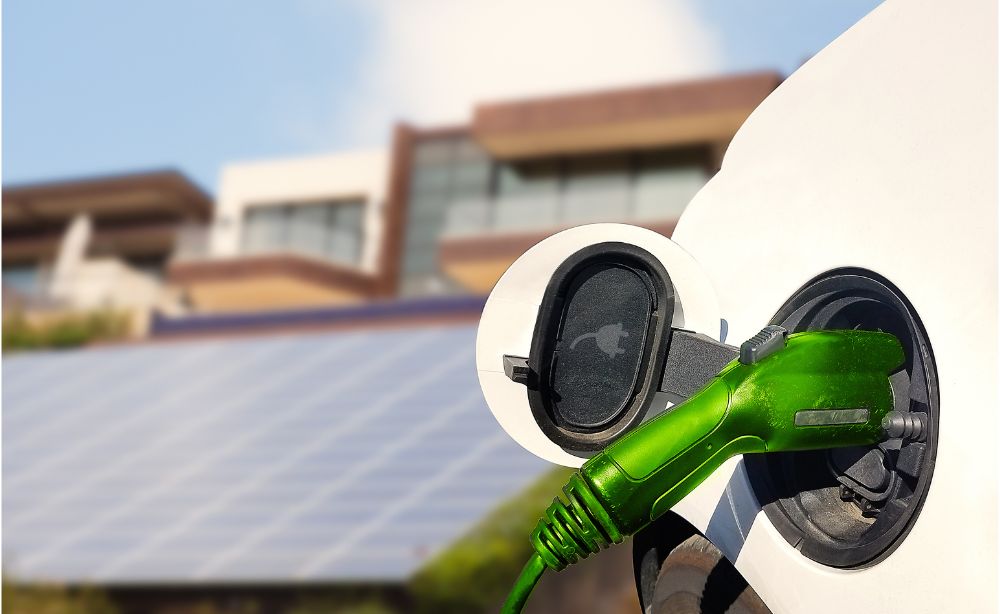
Solar panels for charging electric vehicles
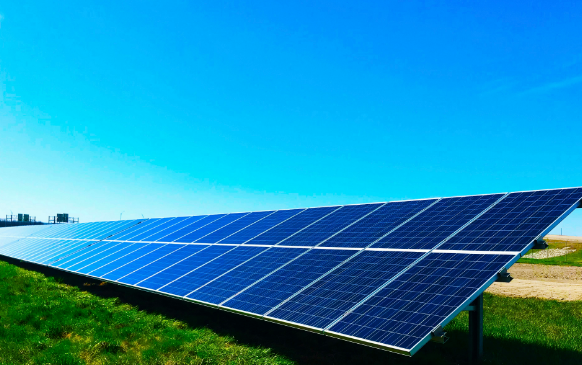
Renewable solar energy: clean and healthy future