
If you have read this article you are probably wondering what photovoltaic systems are and how they work. However, be aware that this article will provide you with much more information, explaining the different types of solar systems and how they can significantly improve a business.
What are solar systems?
You’ve probably realized that solar power plants produce energy using sunlight as raw material. Being a renewable source, solar systems produce green energy without contributing to global warming or polluting the environment.
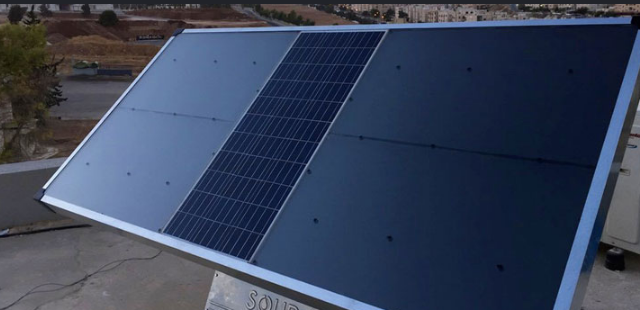
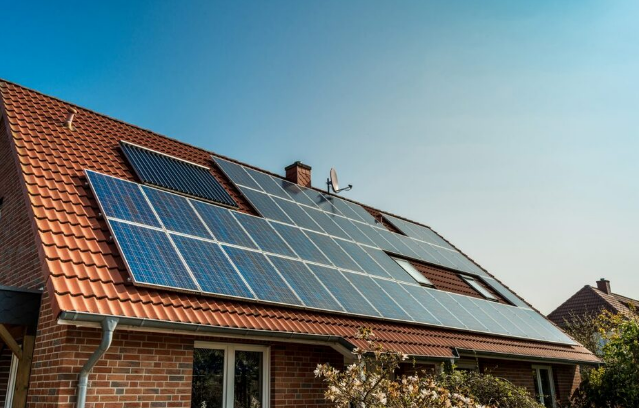
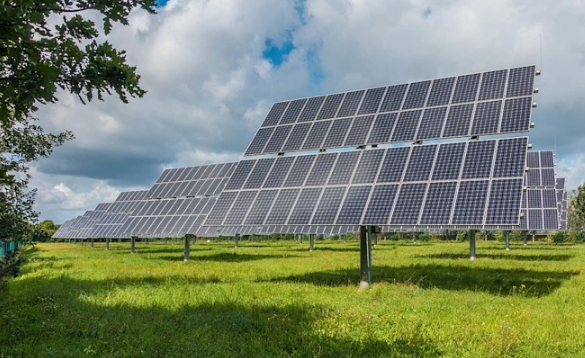
They usually consist of several components such as solar panels, which aim to absorb and transform solar energy into electricity, solar inverters, solar batteries and others.
The initial investment for purchase and installation can be considered expensive. However, solar systems represent an economical and profitable opportunity for your business or home in the long run. Once installed, they significantly contribute to reducing bills and achieving a greater degree of energy independence.
Types of solar systems
An initial classification of solar systems takes into account the degree of independence they offer. These can be on-grid, off-grid and hybrid.
The former are connected to the electricity grid, generating a surplus of energy which is eventually deducted from the cost of the bill. Off-grid systems are independent of any electrical grid and power your home both day and night with the help of solar batteries. The hybrid solution has the advantages of the first two, offering the possibility of transferring the surplus to the electricity grid or storing the energy in batteries.
Another classification emerges from the construction of solar systems in which two technologies for generating energy predominate. There are therefore photovoltaic power plants, which use photovoltaic panels to obtain electricity, and thermal power plants that capture the sun’s heat.
Photovoltaic systems
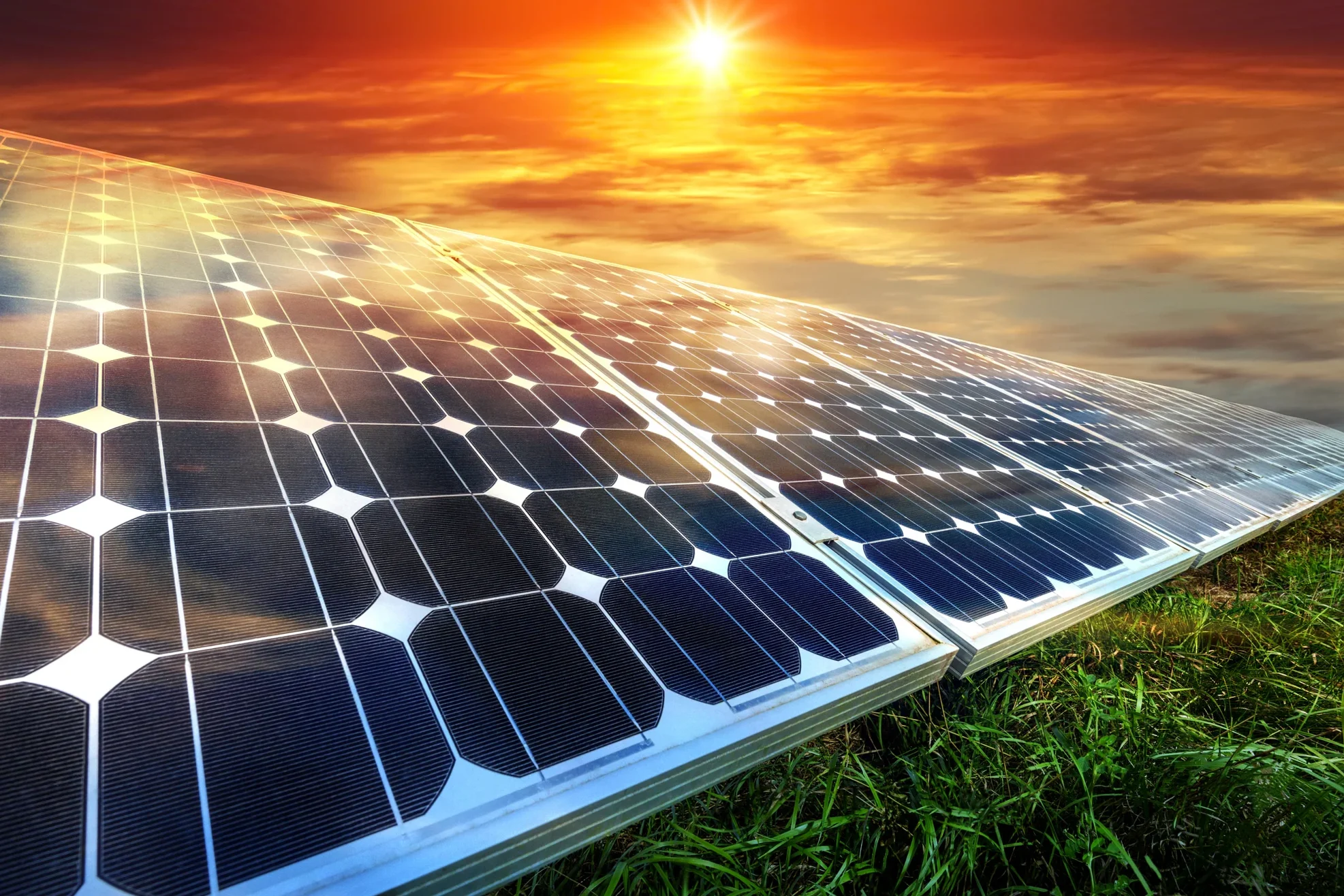
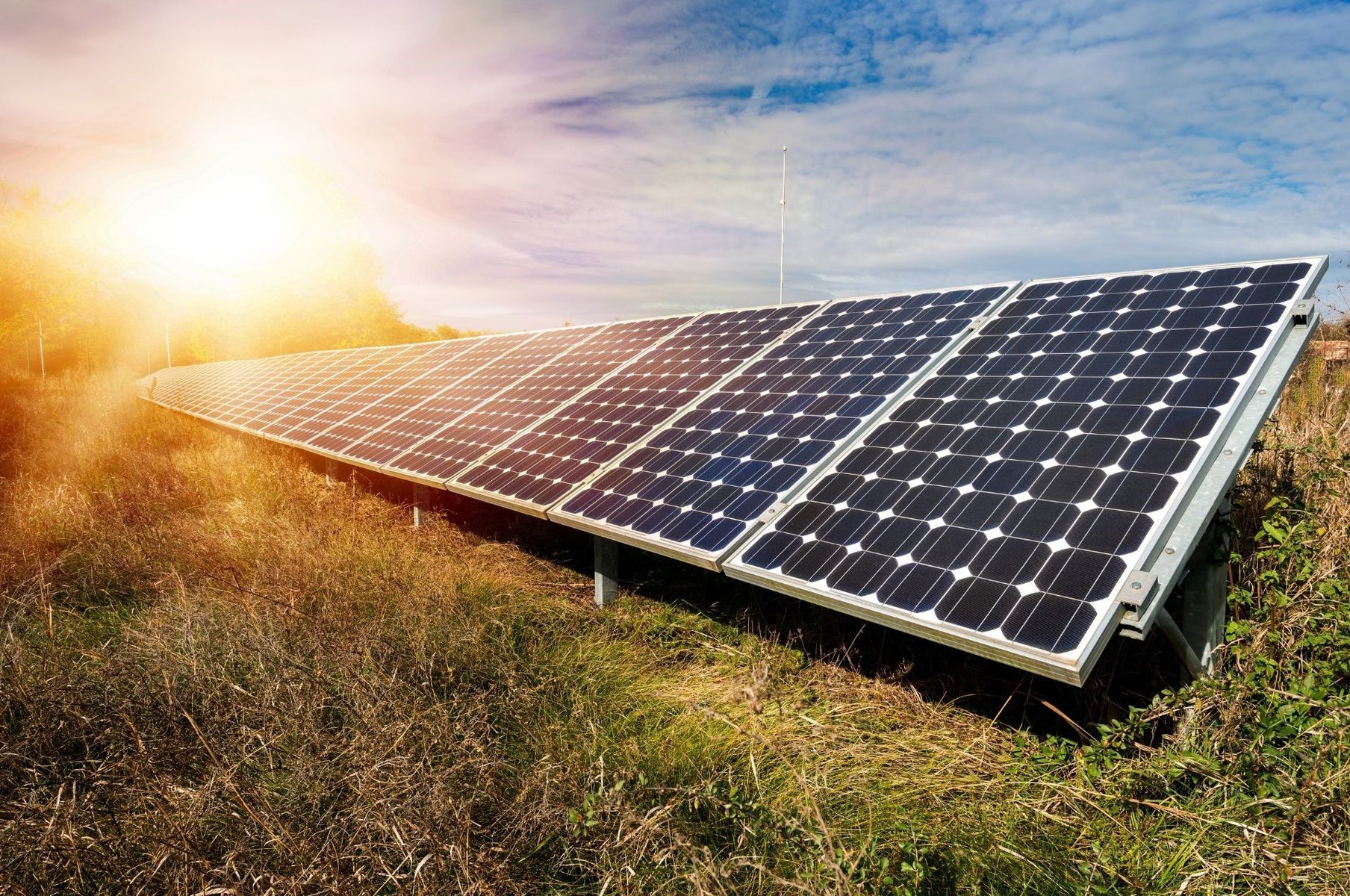
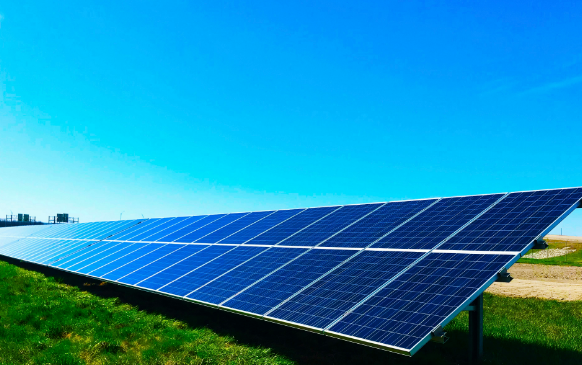
Photovoltaic systems are a type of solar systems based on photovoltaic panels. They directly convert sunlight into electricity. This is possible thanks to conductive and semiconducting materials such as silicon.
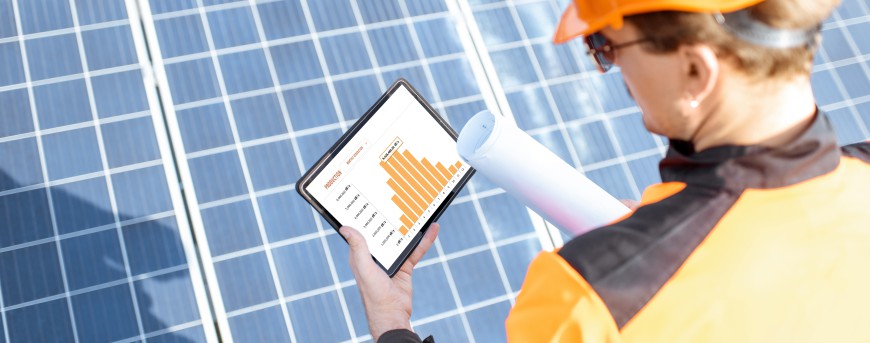
In addition to photovoltaic panels, photovoltaic systems have solar batteries, which help store energy, and inverters as an essential part. The latter represent another essential element in the scheme of a photovoltaic system. They serve to transform direct current into alternating current, which allows you to obtain a higher voltage of 110-220 V from a set of 12 V batteries. In addition to the high voltage, an inverter contributes to better monitoring of the system.
The advantage of photovoltaic systems is that they convert photons into energy, exploiting the photovoltaic effect. This phenomenon occurs due to conductive materials within which electrons are produced when exposed to enough photons from sunlight. So, oha company or a family can benefit from the use of photovoltaic systems.
Thermoelectric power plants
This type of solar power plant collects sunlight to produce heat. In general, three types are distinguished: linear, solar with antennas and parabolic.
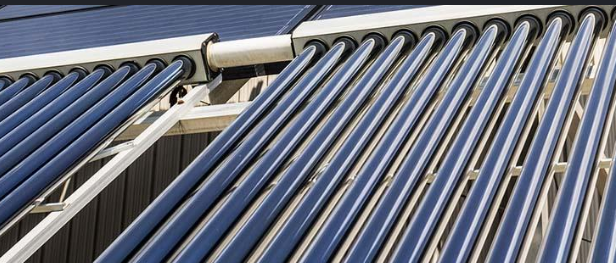
Thermal systems usually use collectors that absorb the heat coming from the sun’s rays to transport it into transfer fluids designed to maintain the temperature. These liquids are then supplied to areas that need heating.
Heating systems can be used both in private homes and in commercial activities. If you want a universal solution, photovoltaic systems are the best solution, while thermal systems are suitable for smaller spaces.
Restart Solar is a project that provides green energy solutions for your business. If you are interested in switching to solar energy, do not hesitate to request a personalized offer or contact Restart Energy representatives for more details.
Conclusion
Photovoltaic systems have become one of the most effective and accessible renewable energy solutions for businesses seeking to improve efficiency, reduce operating costs, and strengthen their commitment to sustainability. Understanding how these systems work and the different options available is an important first step for any company considering an investment in solar energy. As technology continues to advance, photovoltaic systems are becoming increasingly efficient, reliable, and adaptable to a wide range of business needs.
At their core, photovoltaic systems convert sunlight directly into electricity through solar panels composed of photovoltaic cells. This clean and renewable energy can be used immediately, stored for later use, or supplied to the electrical grid, depending on the type of system installed. Businesses can choose from various configurations, including grid-tied systems, off-grid installations, and hybrid solutions that combine solar generation with energy storage. Each option offers distinct advantages based on energy requirements, location, and operational objectives.
One of the most significant benefits of photovoltaic systems is their ability to reduce electricity expenses. Energy costs are often a major operational expense for businesses, and generating electricity on-site can substantially lower monthly utility bills. Over time, these savings can offset the initial investment and contribute to improved profitability. In many cases, businesses also benefit from incentives, tax advantages, or programs that support renewable energy adoption, further enhancing the financial value of solar installations.
Beyond cost savings, photovoltaic systems help companies achieve greater energy independence and stability. By producing their own electricity, businesses become less vulnerable to fluctuations in energy prices and potential disruptions in the traditional energy market. This increased control over energy consumption can improve long-term planning and operational resilience.
The environmental benefits are equally important. Solar energy generates electricity without direct greenhouse gas emissions, helping businesses reduce their carbon footprint and support sustainability goals. This commitment to clean energy can strengthen corporate reputation, attract environmentally conscious customers, and demonstrate leadership in an increasingly sustainability-focused marketplace.
In conclusion, photovoltaic systems offer businesses a powerful combination of economic, operational, and environmental advantages. By understanding the different types of solar systems and selecting the solution that best fits their needs, companies can significantly improve efficiency, reduce costs, and enhance their long-term competitiveness. As renewable energy continues to play a growing role in the global economy, photovoltaic technology stands out as a smart investment that delivers lasting value while contributing to a cleaner and more sustainable future.
latest posts published
About new generation thermodynamic solar systems
Solar panels and minimalist design: how to integrate them into modern architecture
The impact of solar energy on the energy market landscape

How to choose the right electric scooter for my lifestyle
Innovative solutions to monetize the energy of domestic solar panels
What is the difference between prosumer and producer of electricity
Solar panels for your business, profitable or not?
Solar panels for charging electric vehicles
Renewable solar energy: clean and healthy future