What would happen when the average clean renewable energy supplied to large companies could be increased by integrating wind and solar farms to provide a hybrid supply? These hybrid renewable energy solutions represent an opportunity to leverage the complementary nature of solar and wind energy.
According to many renewable energy experts, that is a small «hybrid» electrical system combine Wind and solar electric technologies offer numerous advantages compared to any single system. The hybrid power system uses energy from solar panels and wind turbines, which is then transported to the customer. The whole process is performed in a complementary manner depending on the main task of the client. A system of this type becomes cost-competitive because solar and wind plants share the same discharge infrastructure. A developer benefits from reduced fixed costs and better resource utilization, while the customer benefits from reduced transportation costs.
The advantages of a solar-wind hybrid system
There is no doubt that the benefits of the hybrid power system are fantastic. Here are some.
- Greater cost savings
- Stable and uninterrupted power supply that matches customers’ base load
- Uninterrupted 24/7 clean energy can power any type of business
- Reduced capital costs
Hybrid renewable energy solutions: how they work and how they help you
Renewable energy hybrids represent the solution for reliable and cost-effective integration of renewable energy, driving the transition to a clean energy future.
This is how hybrid types of renewable energy systems work.
- Many hybrid systems are self-contained systems that operate «off-grid» (not connected to an electrical distribution system). During times when neither wind nor solar power is producing, most hybrid systems provide power via batteries.
- Remote and off-grid locations are areas where many communities rely on expensive imported diesel for electricity. Not only is this extremely expensive and polluting, but the electrical supply can be intermittent and unreliable. Hybrid renewable projects are the perfect solution in these cases and can generate a constant source of energy for communities and businesses.
Advantages of wind energy
Wind energy is a technologically mature energy source with enormous potential. It requires minimal maintenance and integrates perfectly with the circular economy model. It is as valuable as solar energy and has countless benefits.
- The wind is almost everywhere
- Wind power is great in remote areas
- The wind is constant in the medium and long term
- Excellent conversion efficiency
- It takes up very little land
- The impact on the environment is minimal
- Maintenance is simple and only needed occasionally
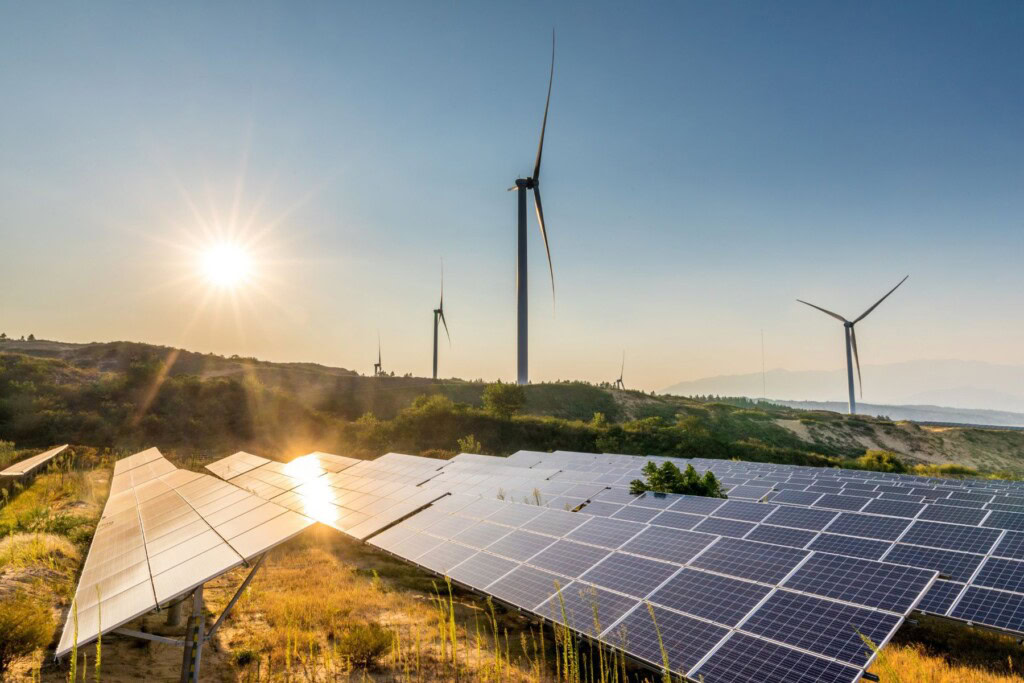
Hybrid renewable energy solutions: Solar and wind energy can be used anywhere
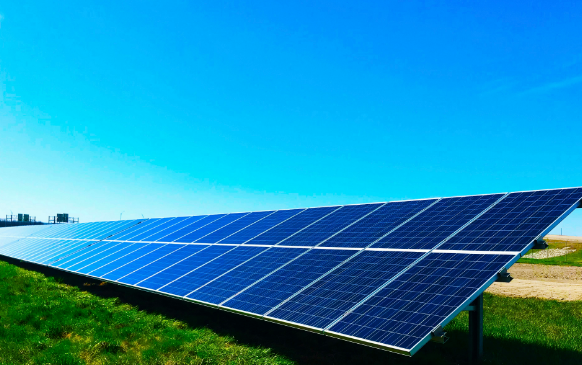
Solar energy is an inexhaustible resource combined with versatile, silent, efficient technologies. One of the strengths of solar energy is that it is self-generating and can be used anywhere. And its benefits will increase in the future.
- It is suitable for batteries and mains electricity
- Create jobs
- Requires minimal maintenance
- Green until the end of life
- Solid and reliable technology
- It takes in all the sunlight
- Reduces carbon emissions
- Solar energy reduces your electricity bill
- Increases the value of any property
- Solar energy can generate electricity in any climate
Conclusion
Hybrid renewable energy systems that combine solar and wind power represent one of the most promising developments in the transition toward a cleaner and more reliable energy future. By integrating two complementary renewable resources into a single energy solution, businesses and utility providers can significantly improve electricity generation while reducing dependence on fossil fuels. Since solar panels produce the most electricity during sunny daytime hours and wind turbines often generate more power during evenings, nights, or windy weather conditions, combining these technologies creates a more balanced and consistent energy supply throughout the day.
One of the greatest advantages of hybrid renewable energy systems is their ability to improve energy reliability. Because solar and wind resources rarely reach peak production at the same time, fluctuations in one source can often be compensated by the other. This complementary relationship helps reduce interruptions in electricity generation and creates a more stable power supply for industrial facilities, commercial operations, and large-scale energy consumers. As a result, companies can better manage their energy demands while reducing exposure to volatile electricity markets.
Hybrid systems also provide significant economic benefits. By maximizing renewable energy production from the same project, businesses can optimize infrastructure investments, reduce operational costs, and increase the overall return on investment. Shared electrical equipment, transmission infrastructure, and maintenance resources further improve cost efficiency compared to developing separate renewable energy facilities. Over time, these savings can strengthen financial performance while providing greater long-term energy security.
From an environmental perspective, combining wind and solar energy contributes to substantial reductions in greenhouse gas emissions and fossil fuel consumption. Higher renewable energy output means less reliance on conventional power generation, supporting global efforts to combat climate change and improve air quality. Organizations that invest in hybrid renewable energy solutions also strengthen their sustainability commitments, enhancing their environmental reputation among customers, investors, and regulatory authorities.
Technological advancements continue to make hybrid renewable systems even more efficient. Modern energy management software, smart grid integration, battery storage solutions, and advanced forecasting tools enable operators to optimize electricity production and balance energy supply with demand more effectively. These innovations increase system reliability while allowing renewable energy to play an increasingly important role in modern power networks.
Ultimately, hybrid solar and wind energy systems demonstrate how combining complementary renewable technologies can create stronger, more efficient, and more resilient energy solutions. Their ability to deliver stable electricity generation, reduce operating costs, support environmental sustainability, and improve long-term energy security makes them an attractive investment for businesses and utilities alike. As renewable energy continues to expand worldwide, hybrid power systems will play a crucial role in building a cleaner, smarter, and more sustainable global energy infrastructure for future generations.
latest posts published
About new generation thermodynamic solar systems
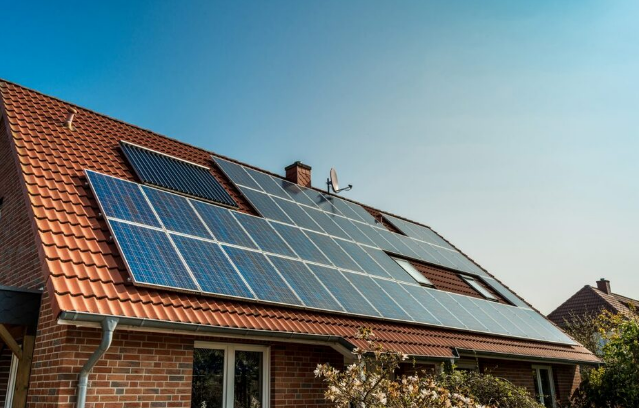
Solar panels and minimalist design: how to integrate them into modern architecture
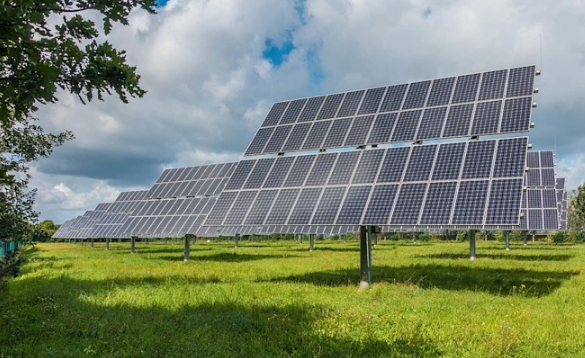
The impact of solar energy on the energy market landscape

How to choose the right electric scooter for my lifestyle

Innovative solutions to monetize the energy of domestic solar panels

What is the difference between prosumer and producer of electricity
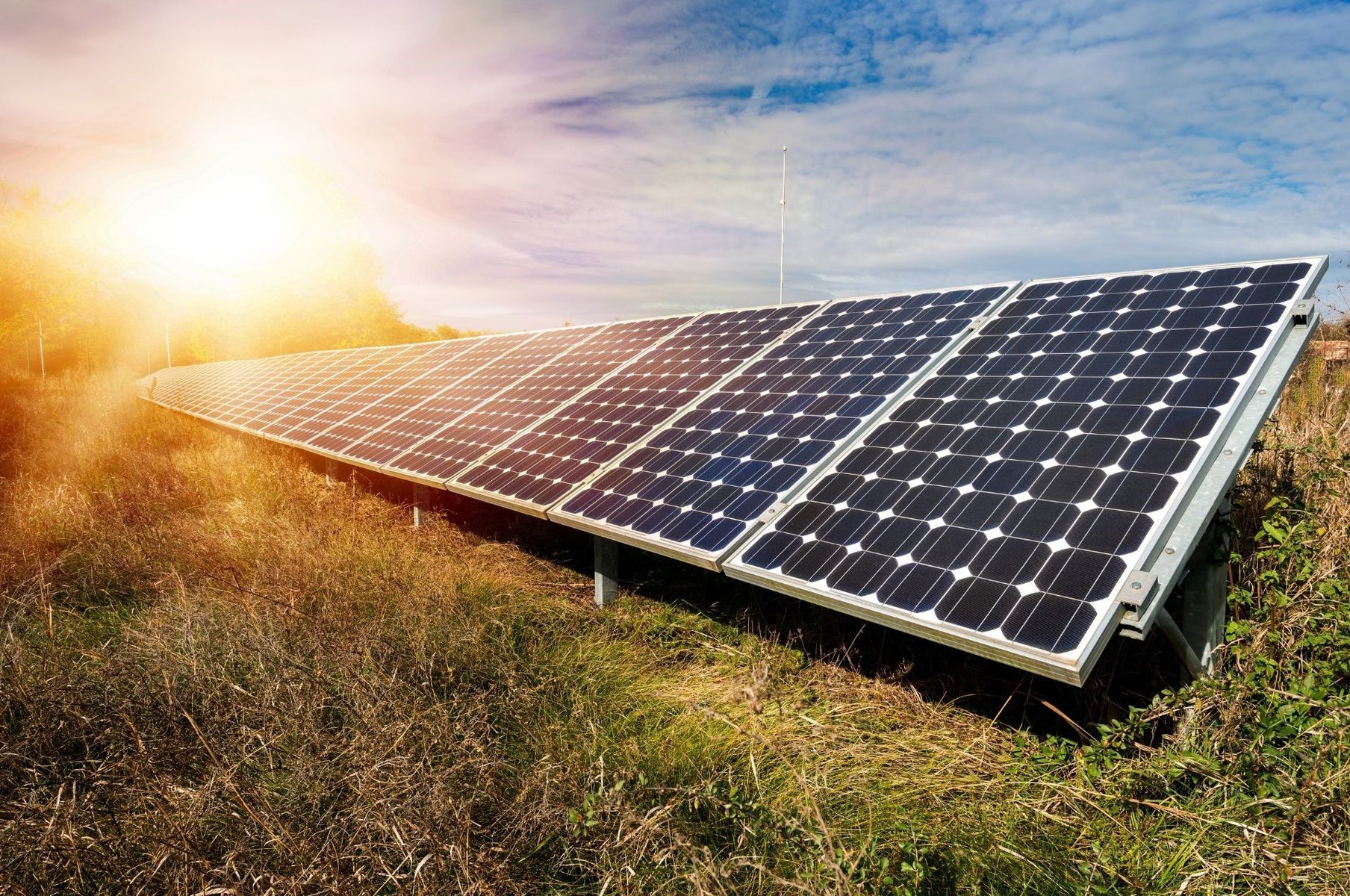
Solar panels for your business, profitable or not?
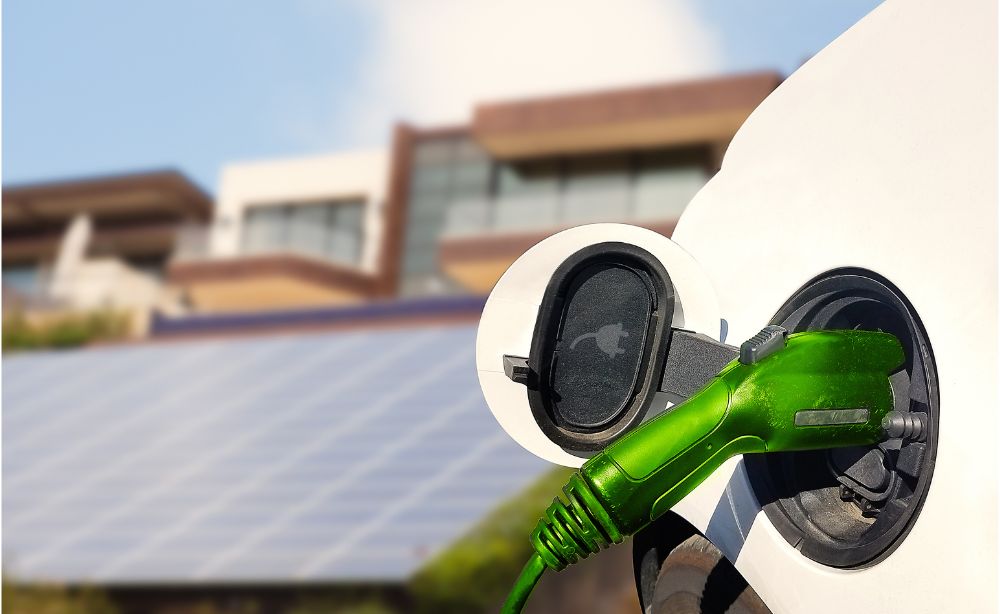
Solar panels for charging electric vehicles
Renewable solar energy: clean and healthy future