
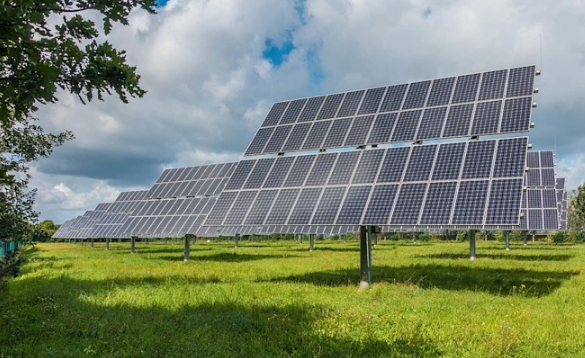
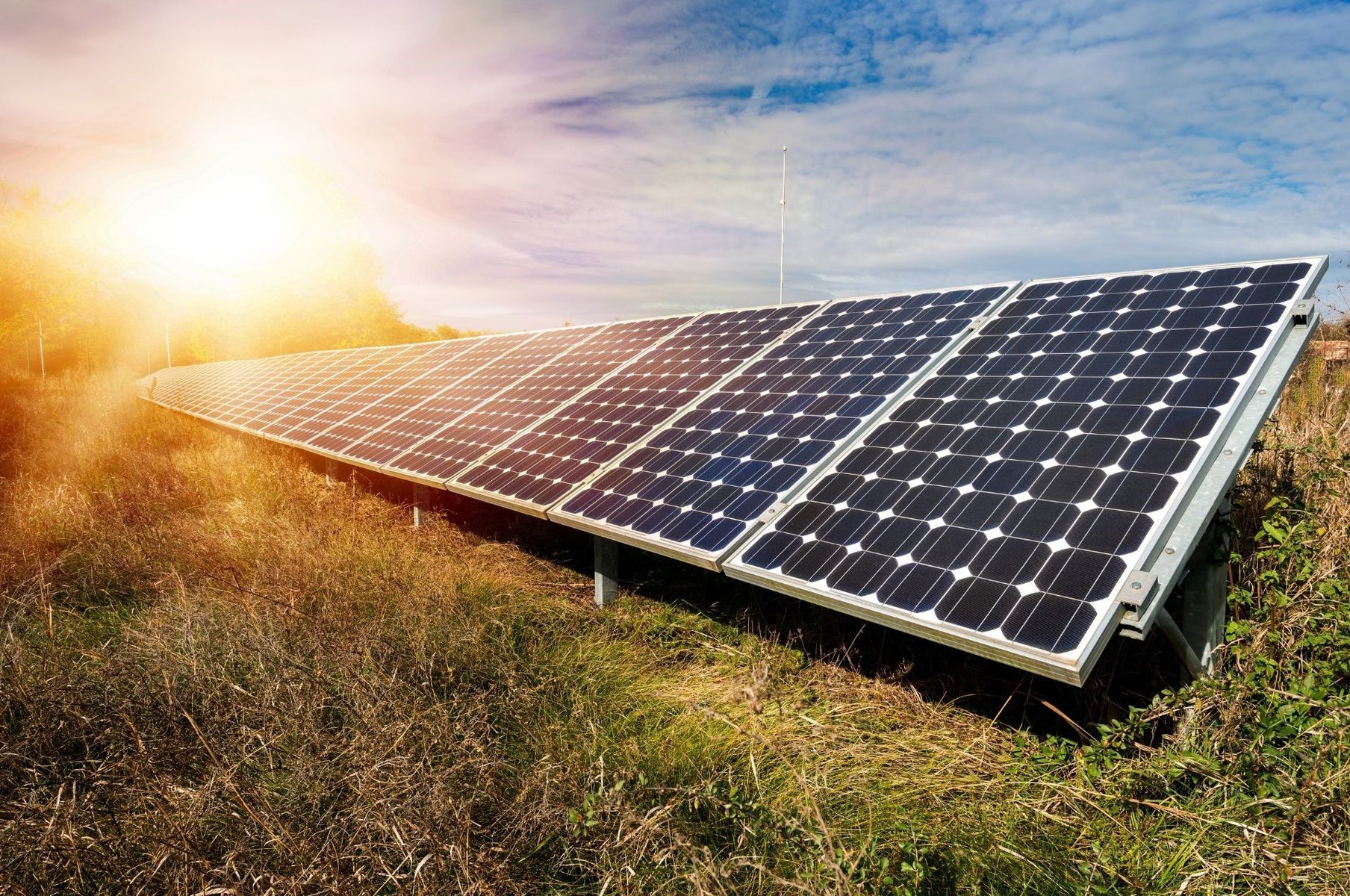
Significant growth has been seen in the solar sector worldwide in recent years. This has led to a new type of infrastructure investments. Reliable, large solar power plants have been set up. They produce clean energy thanks to technological developments that make them cost-effective. Putting money into solar panels now is a chance for any kind of business. In this article, we provide a brief guide to assist you in your choice to invest in clean energy. This will offer many short- and long-term advantages to your business.
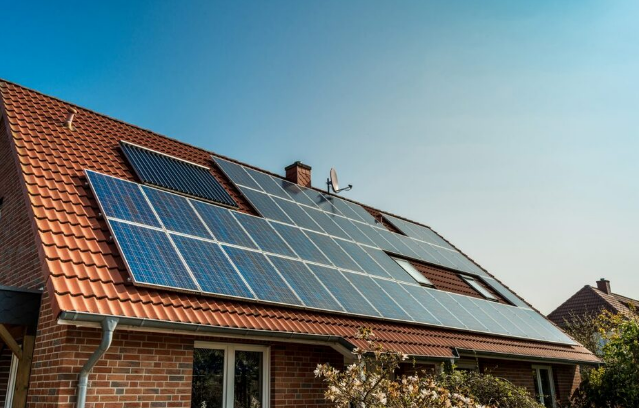
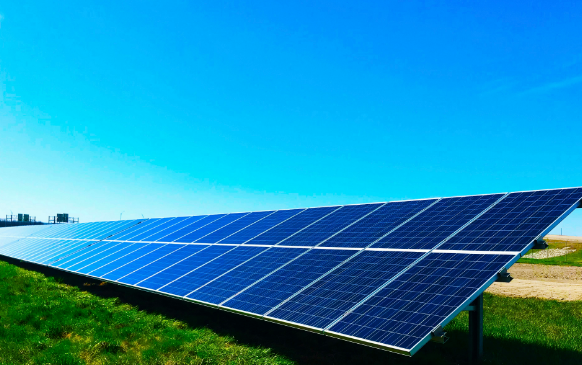
Solar power is viewed as a renewable and sustainable energy source. It originates from sources that are considered endless, unlike fossil fuels. Keep in mind that the typical lifespan of a solar panel is 35-40 years, depending on the quality and brand. Essentially, you will benefit from the performance of solar panels for many years. Not only will you cut costs on electricity payments, but you will also save funds to reinvest in your business.
Renewable energy, a valid option for your business
Why is it appropriate and wise to invest in solar panels? This is the question you’ve been asking yourself for a long time and here are the benefits.
- A global opportunity for rapid growth. Global solar energy capacity could increase by 5 to 32 percent by 2040.
- Low ongoing costs after the initial investment
- Lower operating costs. Once the panels start producing energy, minimum operating costs assume that the assets will generate cash flows throughout their useful lives, regardless of technological changes.
- Socially responsible investments. Climate change, pollution, natural resource limitations and positive public sentiment are creating greater demand for electricity purchased from renewable sources.
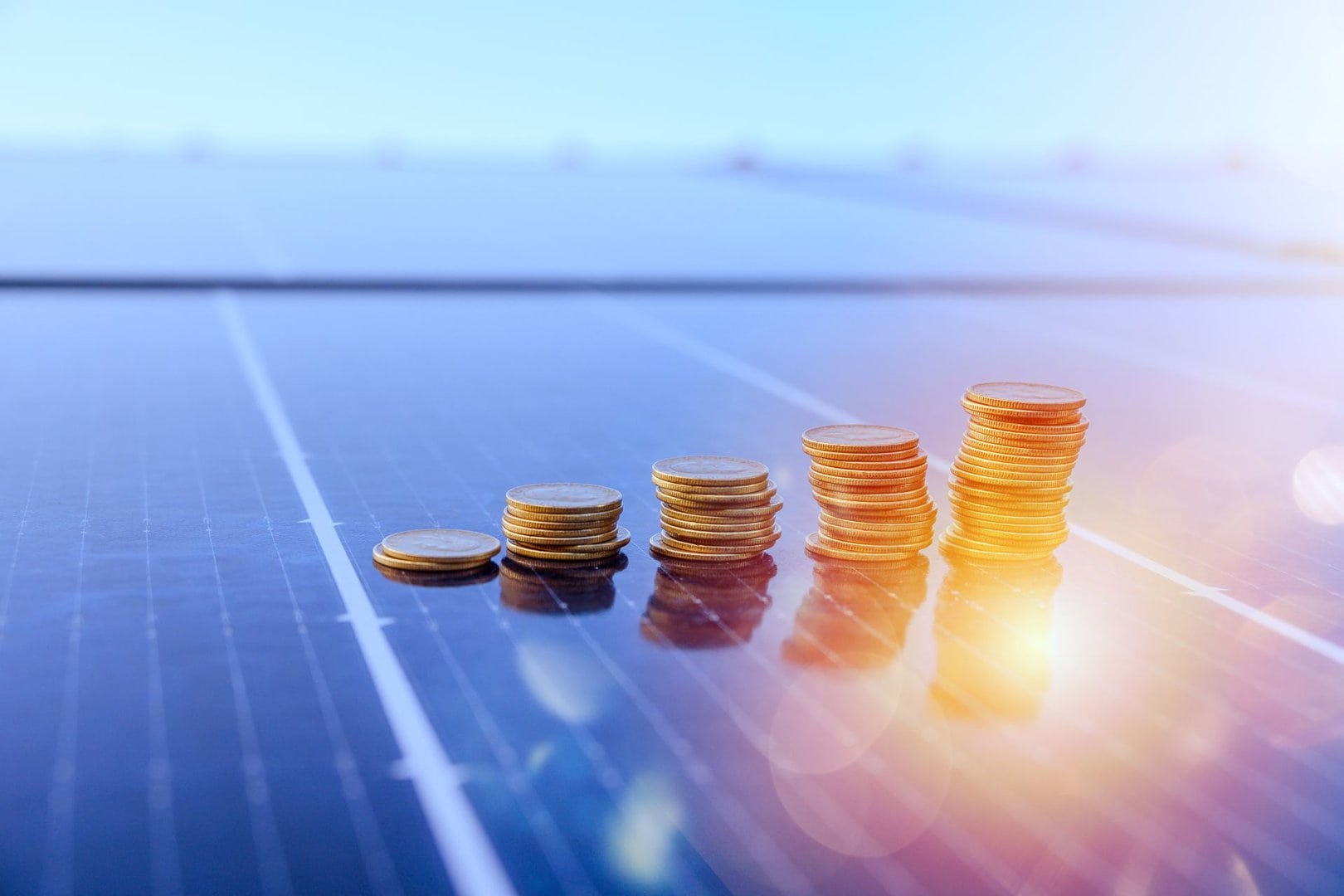
Is it worth investing in photovoltaic panels?
The simple answer is: yes. Whether you are an investor with your own business or a homeowner, electricity bills are a burden on your budget. While a solar system may seem like a substantial investment at first, the costs pay for themselves over time. return that you can get from your investment will depend on the current costs of your electricity bill. As an investor who wants to engage in investments in clean technologies such as solar energy, this is an ideal opportunity to join those fighting for a healthy environment.
How can I get the most out of solar panels?
Solar energy is currently an attractive option for investors. First, there have been rapid technological advances that have increased the overall efficiency and performance of solar energy. Second, as a result of these technological advances, the cost of implementing green energy has steadily decreased over the past decade. This trend is likely to continue for the foreseeable future. Third, in an effort to combat climate change, governments around the world have introduced renewable energy-friendly policies.
Conclusion
The rapid expansion of the global solar industry has transformed renewable energy into one of the most attractive investment opportunities for businesses of every size. Continuous technological innovation, declining installation costs, and growing environmental awareness have positioned photovoltaic systems as a practical solution for reducing operating expenses while supporting long-term sustainability goals. As the renewable energy market continues to mature, investing in solar power is no longer viewed as an experimental choice but as a strategic business decision with measurable financial and environmental returns.
One of the primary advantages of investing in photovoltaic panels is the ability to significantly reduce electricity costs over time. Businesses that generate their own renewable energy become less dependent on fluctuating utility prices and gain greater control over long-term operating expenses. This financial stability makes budgeting more predictable while improving profitability through consistent savings on monthly energy bills. In many cases, the return on investment continues to grow throughout the system’s operational life, which often exceeds 25 years.
Beyond cost savings, solar energy strengthens business resilience by providing greater energy independence. As global energy markets face increasing uncertainty due to economic fluctuations, supply chain disruptions, and changing regulations, companies with on-site renewable energy generation are better positioned to maintain stable operations. This increased energy security can become a valuable competitive advantage, particularly for businesses with high electricity consumption.
Environmental responsibility is another compelling reason to invest in solar technology. By producing clean, emission-free electricity, photovoltaic systems help reduce greenhouse gas emissions and decrease reliance on fossil fuels. Companies that adopt renewable energy demonstrate a commitment to sustainability, enhancing their corporate reputation and meeting the growing expectations of environmentally conscious customers, investors, and business partners. This commitment can strengthen brand value while supporting broader environmental and social responsibility initiatives.
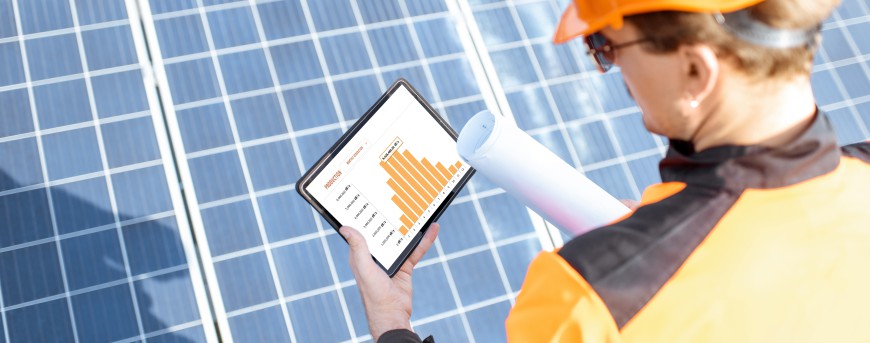
The continued advancement of photovoltaic technology has also improved system efficiency, durability, and reliability. Modern solar panels require minimal maintenance, offer higher energy conversion rates, and are designed to perform efficiently under a wide range of weather conditions. Combined with smart monitoring systems and professional installation, these technological improvements ensure dependable performance and maximize long-term energy production.
Ultimately, investing in photovoltaic panels represents far more than an opportunity to reduce electricity expenses. It is a long-term investment in financial stability, operational efficiency, environmental sustainability, and future business growth. As the global transition toward renewable energy accelerates, organizations that embrace solar technology today will be better prepared to meet tomorrow’s economic and environmental challenges. By integrating clean energy into their operations, businesses can achieve lasting competitive advantages while contributing to a more sustainable and resilient energy future.
latest posts published
About new generation thermodynamic solar systems
Solar panels and minimalist design: how to integrate them into modern architecture
The impact of solar energy on the energy market landscape

How to choose the right electric scooter for my lifestyle
Innovative solutions to monetize the energy of domestic solar panels
What is the difference between prosumer and producer of electricity
Solar panels for your business, profitable or not?
Solar panels for charging electric vehicles
Renewable solar energy: clean and healthy future