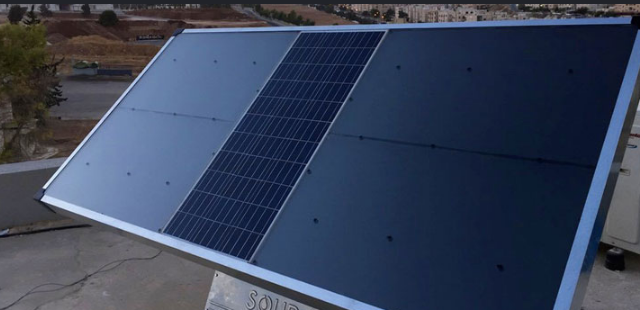
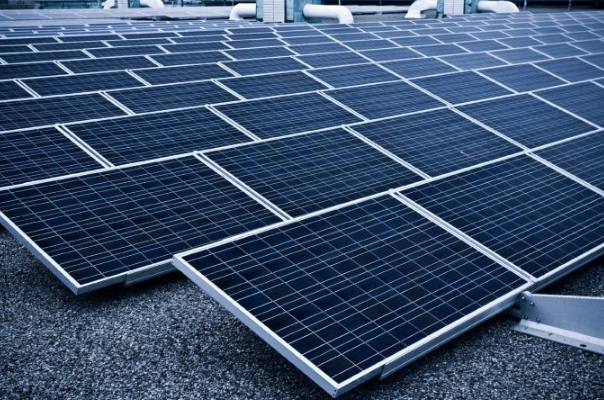
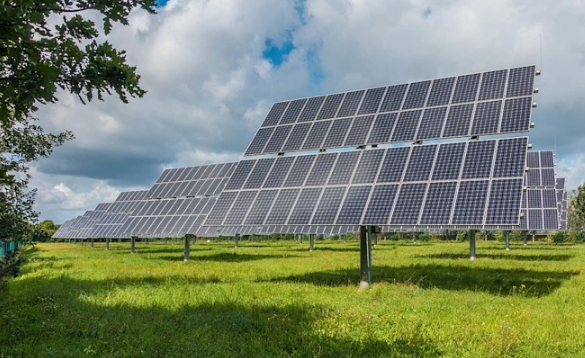
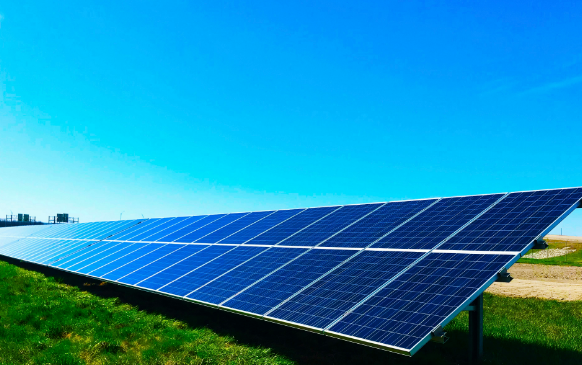
When we mention microgrids we mean those small systems, where certain local users fully meet their energy needs with a few tiny solar panels.
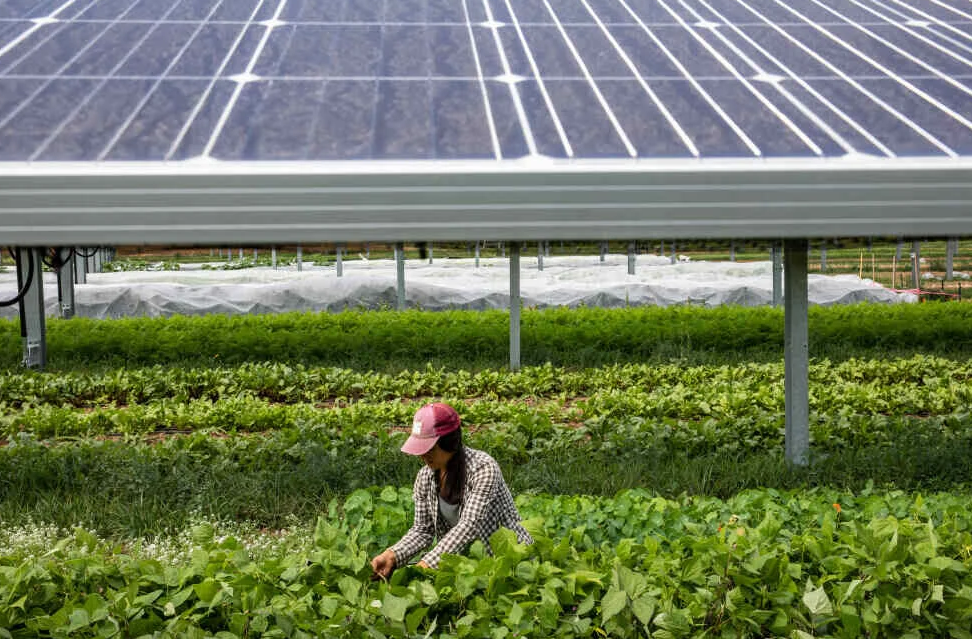
A bright future for this concept is city neighborhoods. For instance, a remote rural area can continue to operate sustainably. A small advanced farming business can set up panels on the roof that supply the typical daily usage.
These standalone microgrids have the benefit of being self-sufficient and not always reliant on traditional energy transfer and delivery systems. In addition, power stations can be placed nearer to where the energy is used to lower losses.

The major limitations of some photovoltaic systems are represented by the strict dependence on atmospheric conditions, but batteries and other smart technologies increase the degree of self-consumption and safety. Furthermore, the costs per MW installed are higher, but the system is easier to administer, without subscriptions to distributors.
The integration of solar thermal panels into renewable microgrids presents several advantages in terms of reducing dependence on the electricity system:
- It directly guarantees the heating of the water necessary for domestic/agricultural consumption, without requiring energy conversion via photovoltaic panels.
- The capture of solar energy occurs directly in the form of heat, without losses due to multiple electrical conversions.
- Solar thermal systems can cover a substantial portion of hot water needs for extended periods, significantly reducing the demand on batteries.
- They extend the period of autonomous operation of the microgrid during cloudy days or in winter when photovoltaic production decreases.
- Integration with phase change tanks enables long-term thermal storage and increases system flexibility.
- Integration with heat pumps reduces operating costs and increases the degree of energy self-sufficiency.
Photovoltaic microgrids represent a sustainable solution and also a business opportunity. The intelligent integration of multiple renewable sources and new technologies will make these small off-grid networks increasingly efficient and accessible, both for isolated areas and for urban micro-communities.
Call the specialists at Restart Energy to design your microgrid based on photovoltaic panels directly in your garden.
Conclusion
Microgrids have become an innovative and highly effective solution for meeting local energy demands while supporting the global transition toward cleaner and more resilient power systems. By combining small-scale renewable energy sources, such as photovoltaic panels, with localized electricity distribution networks, microgrids enable communities, businesses, and institutions to generate, manage, and consume electricity closer to where it is needed. This decentralized approach improves energy efficiency, enhances reliability, and reduces dependence on large centralized power grids.
One of the greatest advantages of microgrids is their ability to increase energy independence. Instead of relying entirely on traditional utility networks, local consumers can produce a significant portion—or even all—of their electricity through renewable energy systems. This reduces exposure to fluctuations in electricity prices, improves energy security, and provides greater control over energy consumption. In areas where grid reliability is limited, microgrids can continue supplying electricity even during outages, ensuring uninterrupted operation of critical facilities and essential services.
Photovoltaic systems play a central role in the success of modern microgrids. Solar panels provide clean, renewable electricity that can be generated directly where it is consumed, minimizing transmission losses and lowering overall operating costs. When integrated with battery storage technologies and intelligent energy management systems, microgrids can store excess electricity produced during sunny periods and use it when solar generation decreases, creating a more stable and efficient energy supply.
From an environmental perspective, microgrids contribute significantly to reducing greenhouse gas emissions and decreasing dependence on fossil fuels. By prioritizing renewable energy generation, they help lower carbon footprints while supporting national and international climate objectives. Their decentralized nature also encourages more efficient resource utilization and strengthens the resilience of local energy infrastructure against extreme weather events and other disruptions.
As renewable technologies continue to advance, microgrids are becoming increasingly flexible and cost-effective. Smart monitoring systems, automated controls, and advanced energy management software allow operators to optimize electricity production, storage, and consumption in real time. These innovations improve overall system performance while making renewable energy more accessible for residential communities, commercial facilities, educational institutions, and industrial operations.
Ultimately, microgrids represent an important step toward a smarter and more sustainable energy future. They combine renewable energy generation, local energy management, and modern technology to create reliable, efficient, and environmentally responsible power systems. As demand for clean energy and grid resilience continues to grow, microgrids will play an increasingly important role in supporting energy independence, reducing environmental impact, and delivering long-term economic benefits for communities and businesses around the world.
latest posts published
About new generation thermodynamic solar systems
Solar panels and minimalist design: how to integrate them into modern architecture
The impact of solar energy on the energy market landscape

How to choose the right electric scooter for my lifestyle
Innovative solutions to monetize the energy of domestic solar panels

What is the difference between prosumer and producer of electricity
Solar panels for your business, profitable or not?
Solar panels for charging electric vehicles
Renewable solar energy: clean and healthy future