Green energy made by you Three things you should know about solar panels If you put money into green energy, you gain energy freedom, very low maintenance costs for solar panels, and a friendly approach towards nature. The whole process of changing from using power from the grid to solar (self-made) energy is easy.
You might not know it yet, but the use and growth of solar energy has been around for over 100 years. Yes, that’s correct. At the start of the last century, solar energy was used to create steam, which helped with transportation. The finding of the «photovoltaic effect» (1839) by the French scientist Edmond Becquerel enabled sunlight to be turned into electricity. In 1893, American Charles Fritts made the first real solar cells, which he placed on the roof of a building in New York. The cell strings were created by adding a thin layer of gold to selenium sheets in the mix. The device that we now call a solar panel came from Fritts’ clever cell.
1. What a solar panel is and how it works
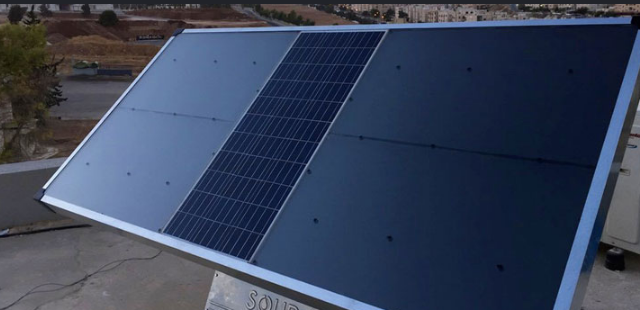
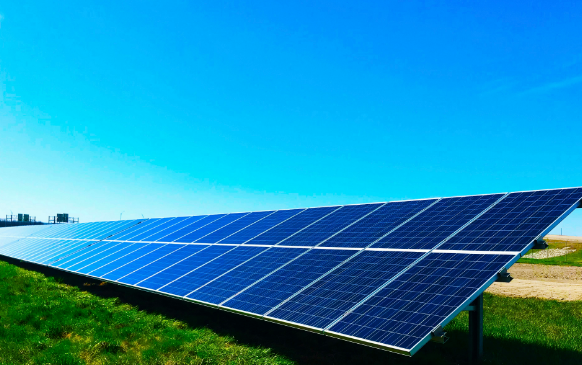
Solar panels, also known as “photovoltaic panels,” collect green, renewable, clean energy in the form of sunlight. It then converts that light into electricity. Photovoltaic panels are structured from several individual solar cells. They in turn are composed of layers of silicon, phosphorus (which provides the negative charge) and boron (which provides the positive charge). Solar panels absorb photons and start producing direct electric current.
An inverter converts this current from direct current to alternating current to power household appliances. The alternating current travels through the conductor to an electrical fuse panel, to be distributed to consumers. Unused electricity is stored in batteries or fed into the national grid.
2. What is a solar panel made of that is needed to generate green energy
A typical solar panel consists of silicon cells, a metal frame, wiring elements, glass and plexiglass. An insulating layer and a protective back sheet protect the panel from excessive heat and humidity. Silicon cells are produced in two distinct formats:
- Single-crystalline cells are made of solid silicon crystals. Monocells provide more space for electrons to flow, resulting in a smaller, more energy-efficient panel.
- Polycrystalline cells are made up of many individual pieces of silicon joined together. While not as efficient as mono cells, poly cells are less expensive.
3. Minimal maintenance costs
Almost no maintenance is required on solar panels. You just need to make sure they are clean and not shaded (by trees or other buildings). Furthermore, solar panels have a very long lifespan. Most are guaranteed for 20-25 years, but can last up to 30 years.
INVEST NOW IN GREEN ENERGY
It should be remembered that solar panels do not need direct sunlight to work. Although maximum output is achieved when the sun is shining, electricity is also produced on cloudy days or in winter. Now that you know how solar panels work and have decided to invest in green energy, all you have to do is consult our offer to make the best choice.
Conclusion
Investing in photovoltaic panels is one of the most effective ways to achieve greater energy independence while supporting a cleaner and more sustainable future. As renewable energy technologies become more affordable and efficient, producing your own electricity is no longer limited to large corporations or utility providers. Homeowners and businesses alike can take advantage of solar energy to reduce electricity costs, minimize dependence on traditional power grids, and contribute to environmental conservation through clean energy generation.
One of the greatest benefits of photovoltaic systems is the opportunity to gain long-term energy security. By generating electricity directly from sunlight, users become less vulnerable to rising utility prices and fluctuations in the energy market. This increased independence allows households and companies to better control their energy expenses while improving financial planning through predictable electricity production over the lifespan of the system.
Another major advantage is the remarkably low maintenance required after installation. Modern solar panels are engineered to withstand harsh weather conditions and operate efficiently for 25 years or more with minimal upkeep. Routine cleaning, periodic inspections, and occasional professional maintenance are generally sufficient to maintain optimal performance. Because photovoltaic systems contain few moving parts, the risk of mechanical failure is relatively low, making them one of the most reliable renewable energy technologies available.
Beyond the financial and practical benefits, investing in solar energy reflects a strong commitment to environmental responsibility. Photovoltaic panels generate electricity without producing greenhouse gas emissions, harmful pollutants, or toxic by-products during normal operation. Every kilowatt-hour of clean energy produced reduces reliance on fossil fuels, helping lower carbon emissions and supporting global efforts to combat climate change. This environmentally conscious approach also enhances the reputation of businesses and demonstrates responsible energy management.
The transition from conventional grid electricity to self-generated solar power has also become much simpler than in previous years. Advances in photovoltaic technology, improved installation methods, smart energy management systems, and battery storage solutions have made solar energy more accessible and easier to integrate into residential, commercial, and industrial properties. Professional installation and modern monitoring tools allow users to maximize energy production while maintaining efficient system performance over time.
Ultimately, photovoltaic panels offer much more than an alternative source of electricity—they provide a pathway toward financial savings, energy independence, and sustainable living. By investing in solar energy, individuals and businesses gain greater control over their energy future while contributing to a cleaner environment and a more resilient energy system. As renewable technologies continue to advance, photovoltaic systems will remain one of the smartest long-term investments for achieving economic efficiency, environmental protection, and lasting energy security.
latest posts published
About new generation thermodynamic solar systems
Solar panels and minimalist design: how to integrate them into modern architecture
The impact of solar energy on the energy market landscape
How to choose the right electric scooter for my lifestyle
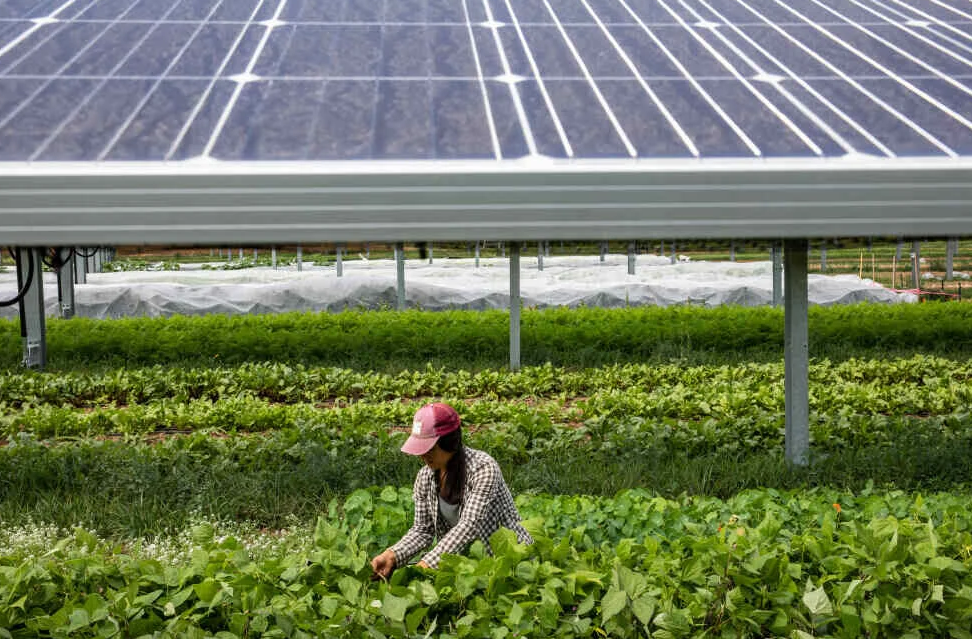
Innovative solutions to monetize the energy of domestic solar panels
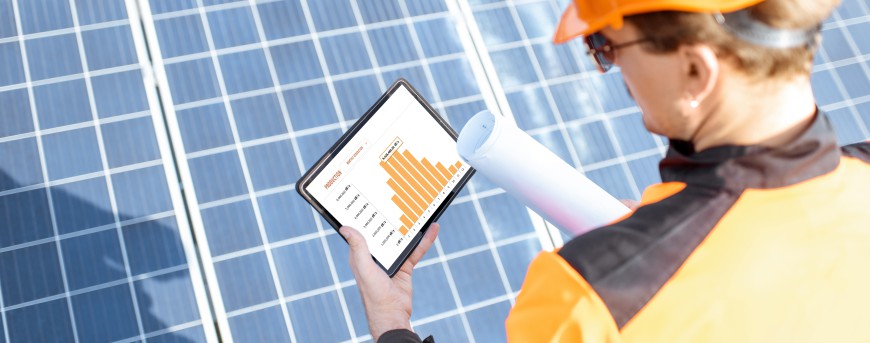
What is the difference between prosumer and producer of electricity
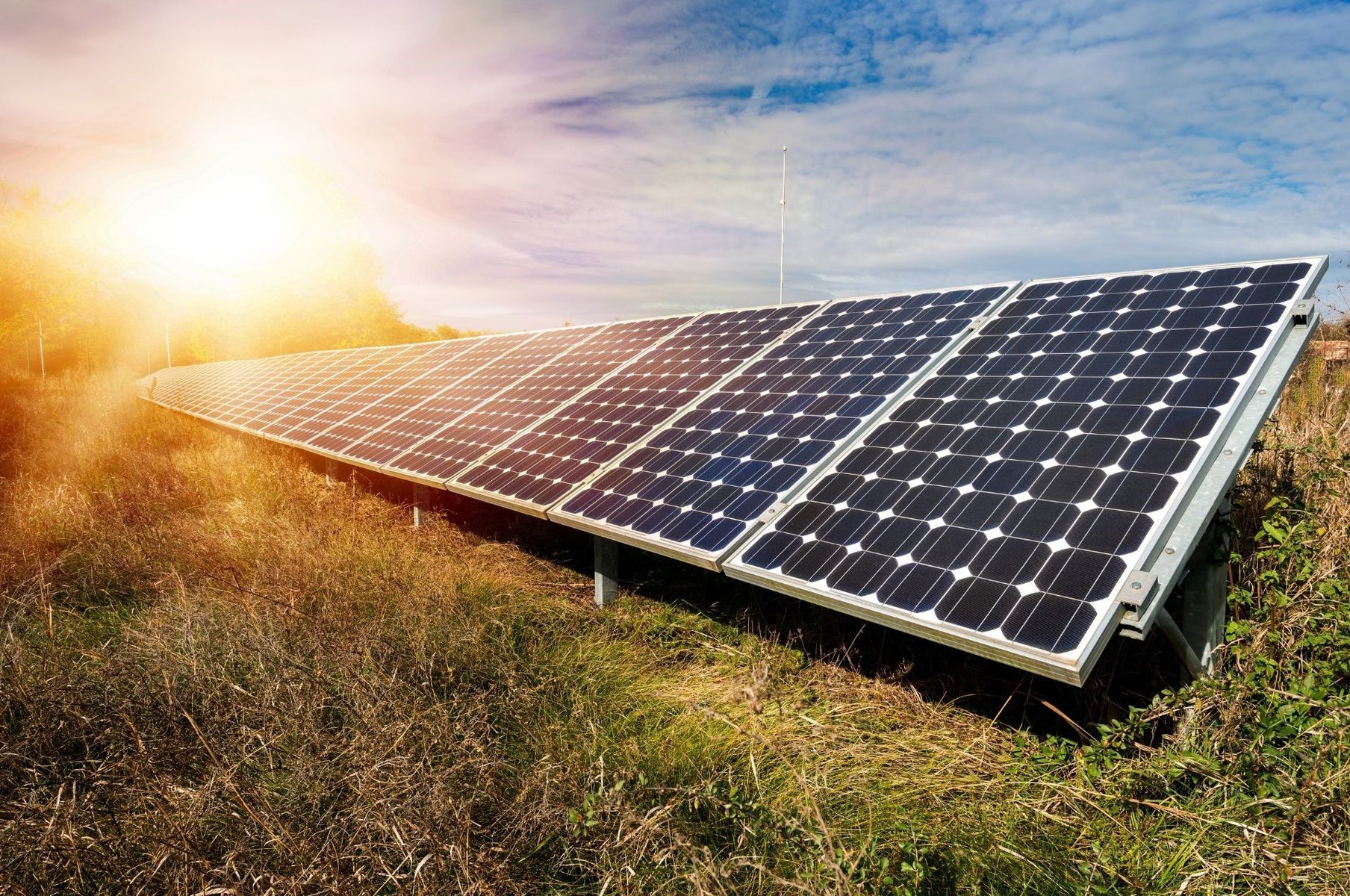
Solar panels for your business, profitable or not?
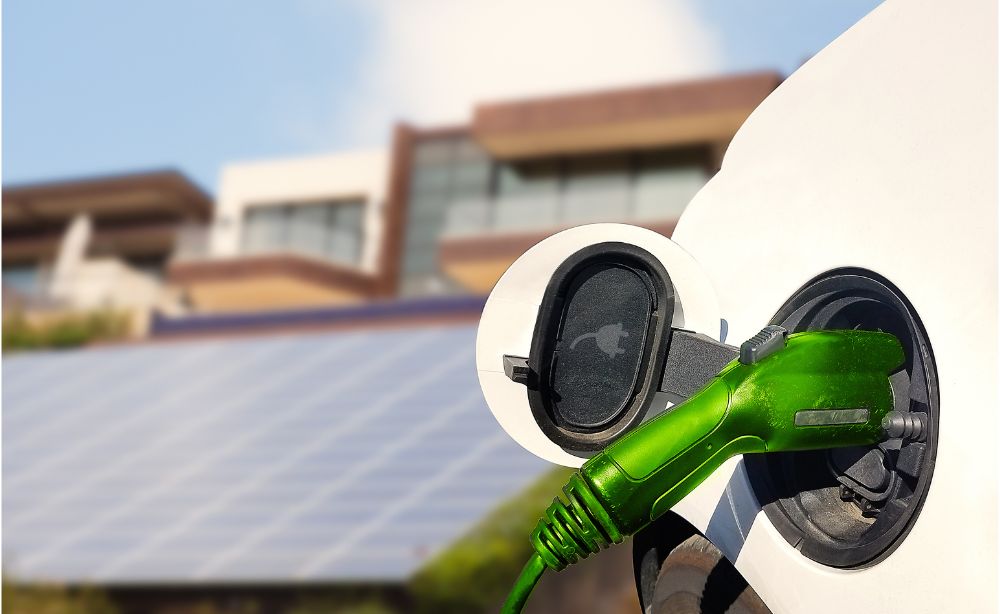
Solar panels for charging electric vehicles
Renewable solar energy: clean and healthy future