In a world where energy storage solutions are becoming increasingly popular, the choice between high and low voltage solar batteries is essential. In this article we will explore the main differences between these two types of batteries, the advantages and disadvantages of each option, as well as the usage scenarios for each of them. The following information will give you a clear understanding of these technologies and help you make the right choice for your energy storage project.
What are low and high voltage batteries?
Low voltage batteries refers to those batteries that have a nominal voltage of less than 48V or 51.2V, used mostly for residential applications and small commercial applications.
High voltage batteriesinstead, they have a nominal voltage higher than 48V, varying between 100V and 550V, and some models even reach over 900V. They are intended for industrial applications or users who need a large energy storage capacity.
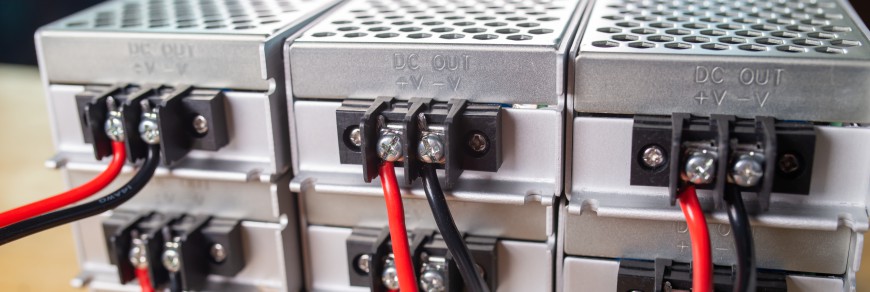
Key Differences Between High Voltage Batteries and Low Voltage Batteries
1. System efficiency
Batteries of high voltage they have greater efficiency in the energy conversion process, because the higher voltage reduces electrical conduction losses in the system. On the other hand, the batteries of low voltage they have a lower conversion efficiency, which can lead to greater energy losses.
2. Electrical safety
Battery systems high voltage requires additional safety measures, as high voltage presents a greater risk of electric shock and can damage the equipment. Instead, the batteries of low voltage they are safer and easier to manage, with a reduced risk of electrical accidents.
3. Costs
Batteries of high voltage they are more expensive due to the complex electrical equipment and additional protective measures required. The systems of low voltage they are more affordable, have easier installation and maintenance, making them an economical choice for residential users.
4. The design and complexity of the system
Battery systems high voltage requires more sophisticated design to ensure safe and efficient operation. Instead, the batteries of low voltage they have a simpler configuration, being easier to install and maintain.
5. Equipment compatibility
Batteries of low voltage they are more common and have broad compatibility with home equipment. Instead, the systems of high voltage may require adapters or additional equipment to be compatible with other devices.
6. Scalability
Batteries of high voltage offers greater flexibility in scalability, allowing you to adjust capacity by adding or removing modules. Batteries of low voltage they have lower scalability, because the number of batteries that can be connected in parallel is limited.
The advantages and disadvantages of low voltage batteries
Advantages:
- Low cost: Low voltage systems are more cost-effective due to lower manufacturing and installation costs.
- Greater security: Being less dangerous from an electrical point of view, they are ideal for home use.
- Easy to install and maintain: The simple setup makes them suitable for residential users who want simple energy storage solutions.
Disadvantages:
- Greater volume and weight: To achieve a capacity similar to that of high-voltage batteries, low-voltage systems are bulkier.
- Low efficiency: Energy losses are greater and energy conversion is less efficient than in high voltage systems.
The advantages and disadvantages of high voltage batteries
Advantages:
- High energy density: For the same volume, high voltage batteries can store more energy.
- Higher conversion efficiency: Energy conversion is more efficient and losses are minimal.
- Excellent scalability: These systems can be easily expanded as needed.
Disadvantages:
- High costs: The complexity and equipment required for installation and operation increase the final price.
- Security risks: High voltage requires additional safety measures and more rigorous management.
Practical applications
Battery systems with low voltage are perfect for houses and small businesses that wish to store energy for personal use, without having to spend a lot. On the other hand, high voltage batteries are favored in large-scale industrial or commercial uses, like electric vehicle charging stations.
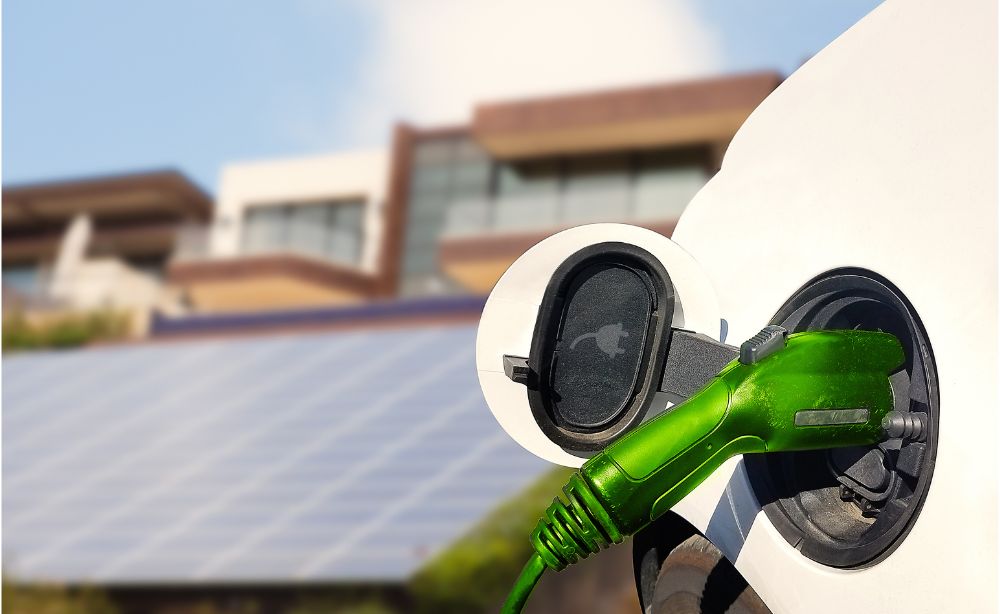
In Europe, an increasing number of homeowners are selecting systems with high voltage due to better compatibility with electric vehicle charging stations. High-voltage systems reduce energy losses when charging electric vehicles, making them suitable for this function.
The decision between High OR low voltage batteries relies on your specific requirements. If you seek an affordable, safe, and easy-to-maintain option, go for low voltage batteries. But if you value efficiency, scalability, and energy density more, then high voltage systems are the ideal choice.
No matter which alternative you select, ensure that your energy storage solution is tailored to meet your long-term energy demands.
latest posts published
About new generation thermodynamic solar systems
Solar panels and minimalist design: how to integrate them into modern architecture
The impact of solar energy on the energy market landscape

How to choose the right electric scooter for my lifestyle

Innovative solutions to monetize the energy of domestic solar panels
What is the difference between prosumer and producer of electricity
Solar panels for your business, profitable or not?
Solar panels for charging electric vehicles
Renewable solar energy: clean and healthy future