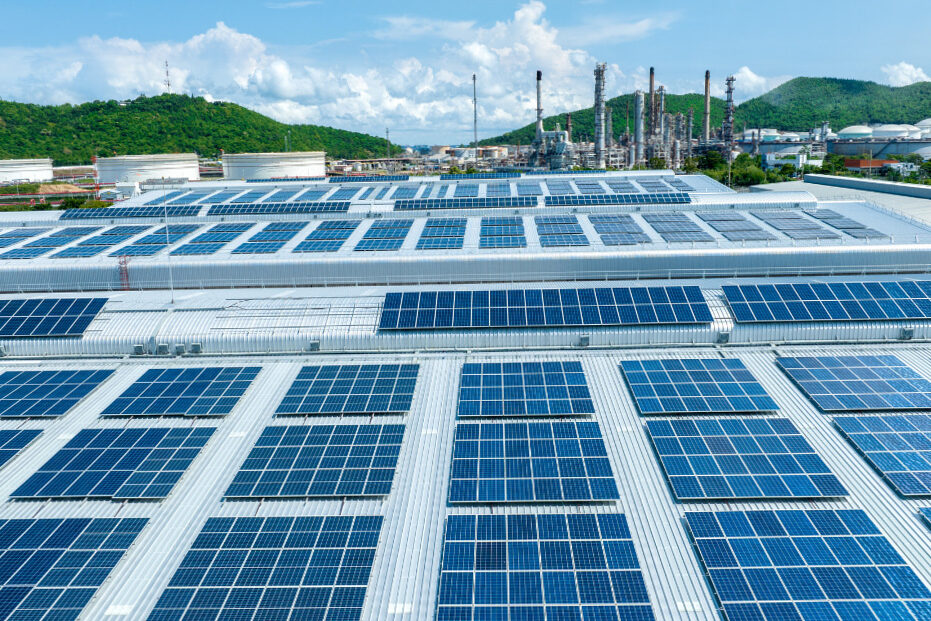
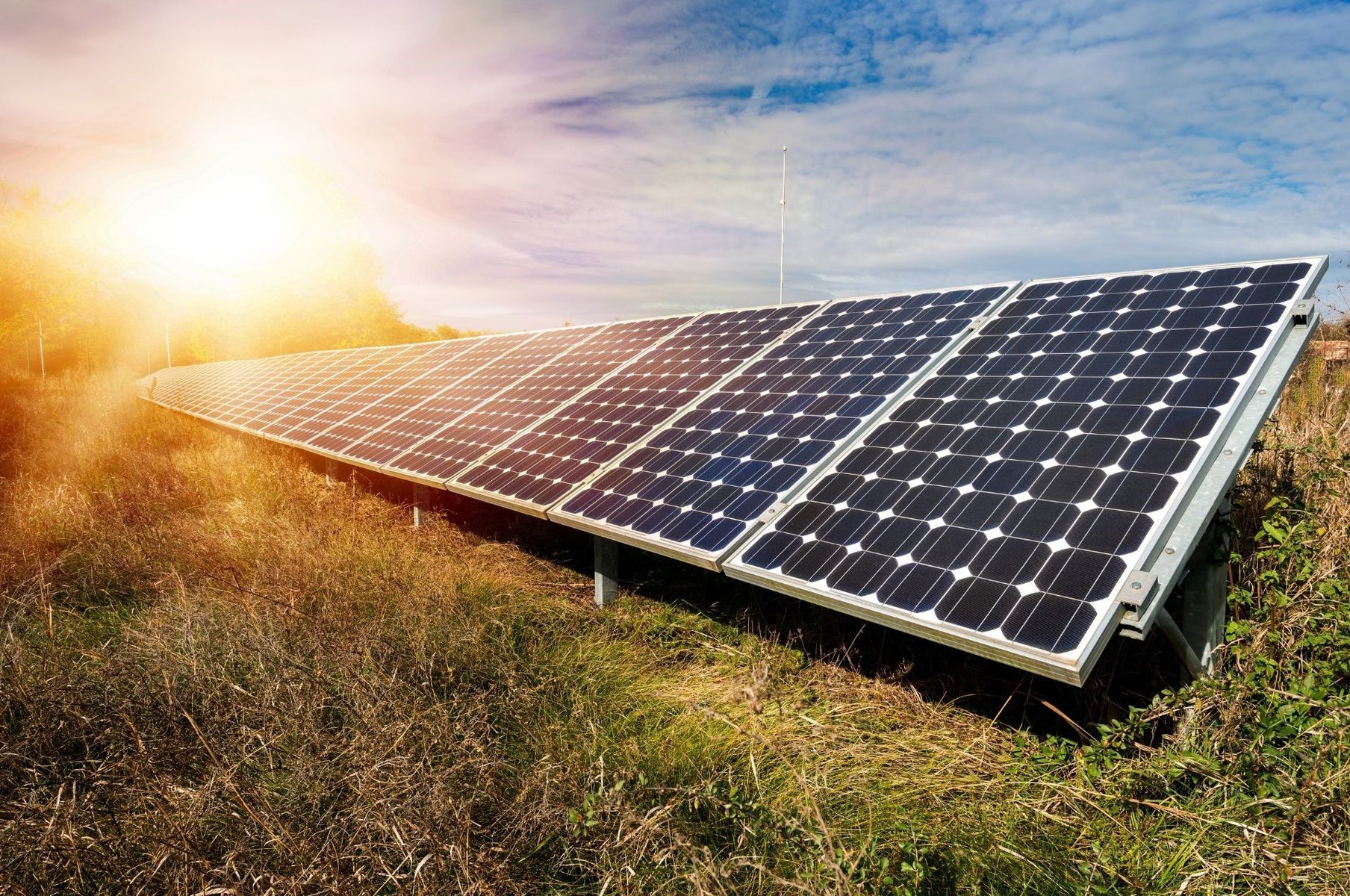
Massive installation of solar panels on industrial buildings and commercial premises is one of the directions with huge potential in the solar sector.
In massive solar installation, we are talking about warehouses, depots, logistics centers, hypermarkets, shopping centers, etc. Like targeted areas. These buildings usually have large, flat roofs, perfect for installing panels. Regarding solar panels, it is advantageous that they work continuously, so that they can consume the solar energy produced.
There are some limitations of massive solar installation, such as battery storage capacity is affected by the financial budget. Furthermore, the ability of the local electricity grid to receive energy injection in the case of grid-connected systems. Furthermore, current legislation may set capacity thresholds for systems that can be connected to the public low/medium voltage network.
Capacities can vary from tens of kW for a small warehouse to MW for large industrial centers. Special modules, resistant to bad weather and heavy loads, are mounted directly on roofs or metal structures.
In mass solar installation, the connection can be made either on-grid to sell the surplus, or off-grid for isolated purposes. Hybrid systems with storage are an advantageous solution because they reduce the dependence on meteorological factors to a minimum. Furthermore, the average payback period is estimated at 5-8 years for large projects.
According to a report by the International Energy Agency, installing 1 MW of solar panels on the roofs of industrial and commercial buildings generates savings of more than 100,000 euros over a 20-year period.
Cities of the future can be improved by implementing such solar power plants. In addition to the environmental benefits, they lead to significant savings on your electricity bill in the long term. If you are interested in starting your own solar energy business, request the services of Restart Energy.
Conclusion
The large-scale installation of solar panels on industrial and commercial buildings represents one of the most promising opportunities for expanding renewable energy generation. Warehouses, logistics centers, manufacturing facilities, shopping malls, supermarkets, and distribution hubs often feature extensive flat rooftops that are ideally suited for photovoltaic systems. By transforming these underutilized surfaces into clean energy assets, businesses can significantly reduce operating costs while contributing to a more sustainable energy future.
One of the greatest advantages of commercial rooftop solar installations is the efficient use of existing infrastructure. Instead of requiring additional land for solar farms, companies can generate electricity directly from the rooftops of buildings that are already part of their operations. This approach maximizes available space without affecting daily business activities, making it an environmentally and economically efficient solution for large-scale renewable energy production.
Industrial and commercial facilities are particularly well suited for solar energy because they typically consume large amounts of electricity throughout the day, which coincides with peak solar production. This high level of daytime energy demand allows businesses to consume much of the electricity generated on-site, maximizing self-consumption and reducing reliance on the public power grid. As a result, companies can lower electricity bills, improve energy efficiency, and protect themselves from future increases in utility prices.
Beyond the financial benefits, large rooftop photovoltaic systems make a meaningful contribution to environmental sustainability. Generating electricity from solar energy reduces greenhouse gas emissions, decreases dependence on fossil fuels, and supports corporate sustainability goals. Businesses that invest in renewable energy also strengthen their environmental reputation, demonstrating a commitment to responsible operations that can enhance relationships with customers, investors, and business partners.
Advances in photovoltaic technology have further increased the attractiveness of commercial solar installations. Modern solar panels offer higher efficiency, longer operational lifespans, and improved durability, while intelligent monitoring systems and battery storage solutions help optimize energy production and consumption. These innovations enable businesses to maximize the value of their investment while ensuring reliable performance for decades with relatively low maintenance requirements.
Ultimately, the massive deployment of solar panels on industrial and commercial buildings is a strategic investment that combines economic performance with environmental responsibility. By utilizing large rooftop spaces to generate clean electricity, businesses can reduce operating expenses, increase energy independence, and contribute to the global transition toward renewable energy. As demand for sustainable energy solutions continues to grow, commercial rooftop solar installations will remain a key driver of innovation, competitiveness, and long-term sustainability across multiple industries.
latest posts published
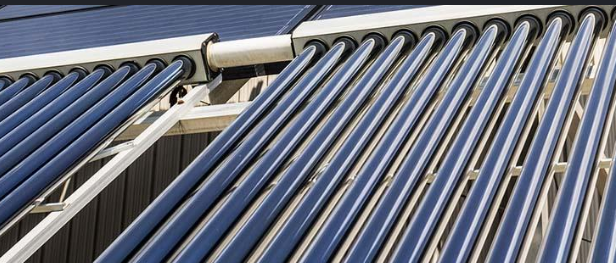
About new generation thermodynamic solar systems
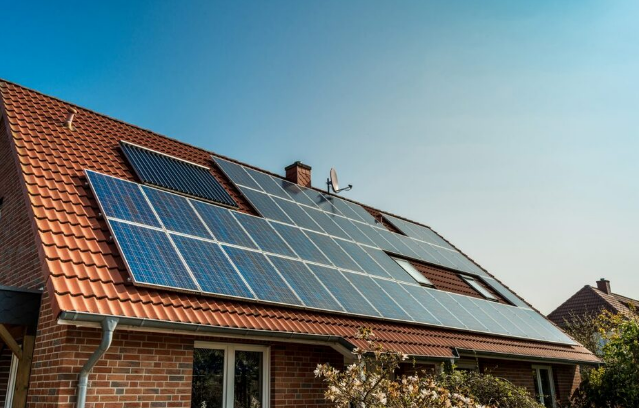
Solar panels and minimalist design: how to integrate them into modern architecture
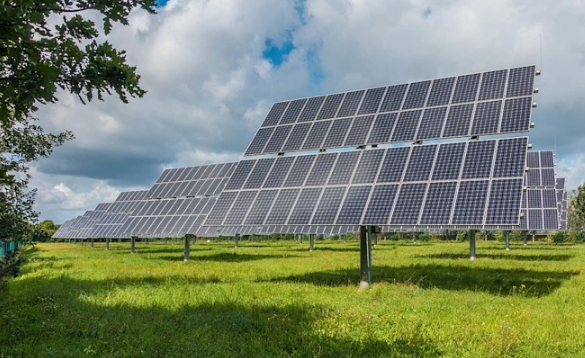
The impact of solar energy on the energy market landscape

How to choose the right electric scooter for my lifestyle

Innovative solutions to monetize the energy of domestic solar panels
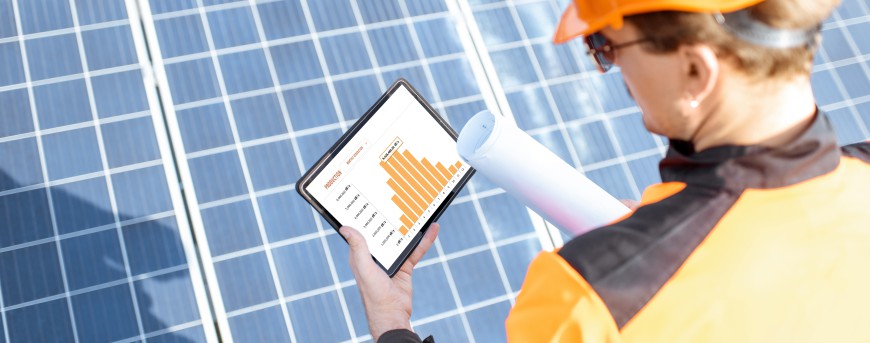
What is the difference between prosumer and producer of electricity
Solar panels for your business, profitable or not?
Solar panels for charging electric vehicles
Renewable solar energy: clean and healthy future