If you are thinking about installing solar panels, you probably have a lot of questions. To help you decide, we have put together 12 of the most frequently asked questions and their answers, all in one place: this article.
1. How do solar panels work?
Solar panels are made up of a group of solar cells. When they are in the sunlight, they produce a direct electric current. This effect is known as the photovoltaic effect. It may sound tricky, but you can think of these solar cells like small power plants that begin to operate when the sun is shining.
Most solar cells are made of silicon, which is a material that can conduct electricity. It allows electrons to move when light hits it, making electricity possible. However, the energy produced by solar cells is in direct current, which most home equipment can’t use. That is why a device called a solar inverter is needed to change this direct current into alternating current, which is the type your home appliances need.
2. How well do solar panels perform?
The performance of a solar panel shows how well it can change sunlight into electrical energy. This performance is shown as a percentage and indicates how effectively a panel uses solar energy to generate electricity. A higher percentage means a more efficient panel.
Many factors affect the performance of solar panels, but the main one is the type and quality of the solar cells. Monocrystalline solar cells, for example, are known to be more efficient than polycrystalline ones, although they tend to be more expensive.
Currently, modern solar panels have a performance that ranges from 15% to 22%. This level of performance is remarkable, especially when you think that just a few years ago the average performance was under 10%. [1]
3. What size solar panel system do I need for my house?
Calculating the size of a solar panel system for your home can be a fairly easy process if you follow a few steps:
- First, find out your family’s energy use! You can do this by checking your bills, using an online energy calculator, or asking an expert. It is also important to consider changes in your consumption throughout the year, as well as how many people live in the house.
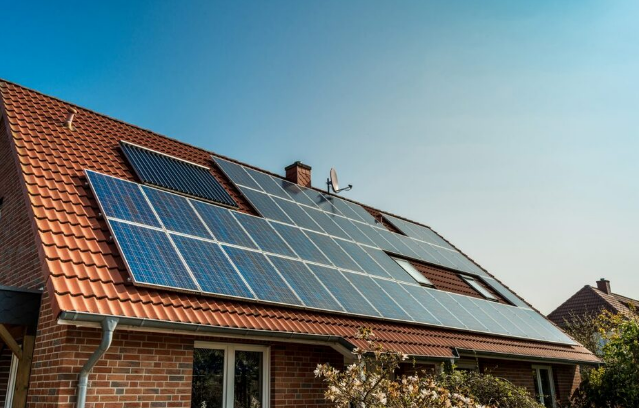
Next, think about the space available for placing the solar panels. Things like the size and direction of - your roof matter, along with any objects that might create shade, such as trees or nearby buildings. If
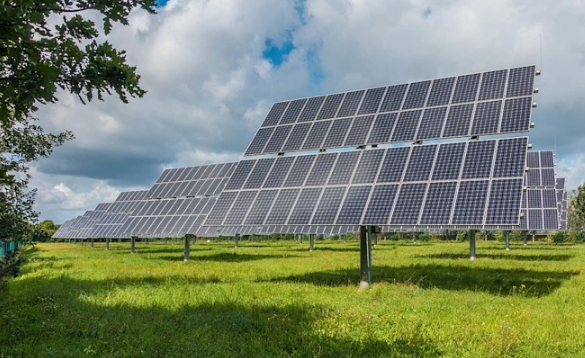
- your roof doesn’t have enough space for a sufficient number of panels, you could also install them on the ground if there is enough room.
- Consider the kind of solar panels you want to set up! Different kinds of panels have different levels of efficiency, meaning that more panels of a certain type may be required to satisfy the same energy needs. However, it is important to note that solar panel technology is always getting better, so their efficiency keeps getting better too.
For more details, check out how many solar panels are needed for a home!
4. What is the lifespan of solar panels?
The typical lifespan of a solar panel is about 25-30 years. During this time, the panel will pay for itself and create clean energy, thus helping to save the environment.
However, it is essential to understand that although solar panels still work after their usual lifespan, their efficiency goes down. So, even if your solar panels continue to make energy after 25-30 years, they will not be as effective as they once were.
5. What effect do weather conditions have on the performance of solar panels?
Bright sunlight is the most crucial factor for the best panel performance. The stronger the sunlight, the more energy the panels can create.
Yet, even though the best results come from direct sunlight, solar panels can still produce energy on cloudy days. Their efficiency decreases, but it doesn’t stop altogether: solar panels can create up to 25% of the energy on overcast days.
6. What is the cost of a 10 KW solar system?
Regarding the cost of a 10 kW solar system, it can change based on several factors. For instance, the price of solar panels, inverter, batteries (if needed), installation expenses, and other required equipment may affect the total cost.
On e-acumulatori.ro, you can find great deals on solar systems, and the price of a 10 kW system begins at 30,000 lei as of writing this article.
7. How much can I save with a solar system?
If you have wondered how much you can save with a solar system, the answer is that it relies on several factors. On average, though, a solar system can cut the electricity bill by 30-70%, depending on the size of the installed system.
Furthermore, if your solar system creates more energy than it uses, you can save this extra energy for future use. This can help increase your savings over time, especially if grid electricity prices are high.
8. What upkeep do solar panels need?
Dust, dirt, and debris that build up on their surfaces can lower the efficiency of the panels, which is why it is important to keep them clean. A rinse with water and a gentle soap should be enough to keep them in great shape. No special cleaning products or complex tools are needed, just care and regular cleaning for this task.
We suggest a yearly examination of the solar panels by an expert. This examination may involve checking system parts like the inverter and wires, along with assessing system efficiency. While solar panels are recognized for their strength, certain parts can deteriorate as time goes on and might need fixing or changing.
9. What types of photovoltaic panels exist?
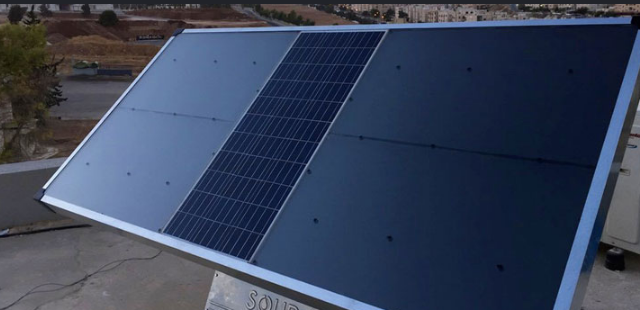
There are three of them main types of photovoltaic panels that you can find on the market: monocrystalline, polycrystalline and thin film.
Monocrystalline panels are easily recognizable by their uniform shape and dark color. They are made of a single crystal of silicon, which gives them high efficiency in converting solar energy into electricity. However, this manufacturing process also makes monocrystalline panels the most expensive.
Polycrystalline panels are composed of several silicon crystals. This is a less expensive process, making polycrystalline panels more affordable. However, their efficiency is slightly lower than that of monocrystalline panels.
Thin film panels are the cheapest and easiest to produce. They use a thin layer of semiconductor material, such as cadmium telluride or copper sulfide. Although their efficiency is the lowest, they are highly adaptable and can be installed on a variety of surfaces, including windows or building walls.
10. Is authorization required for the installation of photovoltaic panels?
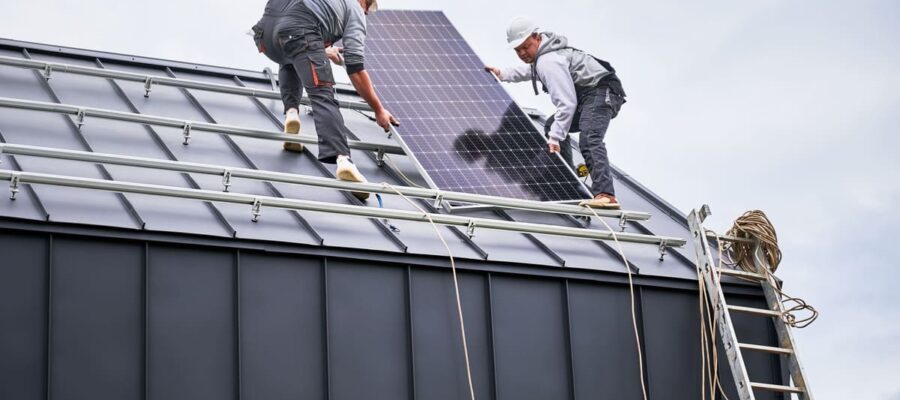
If you’re thinking about installing solar panels on your property, you may be wondering if you need a permit to do so. Until mid-2019, the process to obtain such authorization could take approximately 3 months, which could have a significant impact on installation times.
As photovoltaic technology has become more popular and accepted, authorities have taken measures to facilitate the process. In an attempt to encourage more and more people to adopt these green solutions, it has been decided that a building permit is no longer required for the installation of photovoltaic panels. This greatly simplified the process and reduced the time required for installation.
However, there is an important condition that must be respected: the resistant structure of the building must not be affected by the installation of the panels.
11. Can I sell the excess energy produced by photovoltaic panels?
Yes, through the quantitative energy compensation process. This refers to rewarding you, as a prosumer, for the energy you put into the grid by reducing your electricity bill for the energy you supply. In other words, the excess electricity produced appears as a disadvantage on future bills, ensuring a 1:1 compensation between the energy produced and the energy consumed.
This process is regulated by the prosumer law GEO 143/2021 and by the ANRE ordinance 15/23.02.2022. For more concrete information read the article quantitative energy compensation for prosumers: what it means and how to benefit from it!
12. How long does it take to install photovoltaic panels?
The design of the photovoltaic panel system generally takes 30 to 45 days from signing the contract with the installing company. At this stage the necessary calculations are made, the best location for the panels is chosen and the ground for installation is prepared.
latest posts published
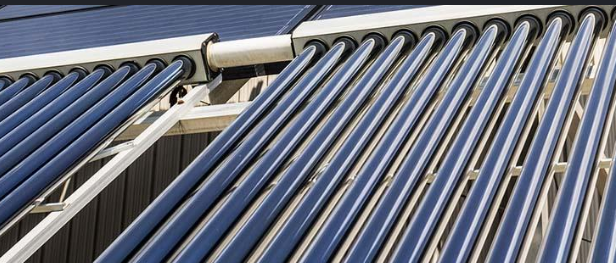
About new generation thermodynamic solar systems
Solar panels and minimalist design: how to integrate them into modern architecture
The impact of solar energy on the energy market landscape
How to choose the right electric scooter for my lifestyle
Innovative solutions to monetize the energy of domestic solar panels
What is the difference between prosumer and producer of electricity
Solar panels for your business, profitable or not?
Solar panels for charging electric vehicles
Renewable solar energy: clean and healthy future