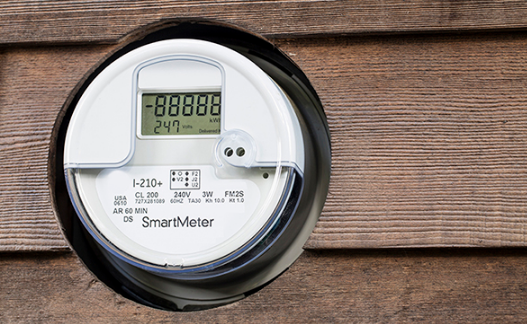
The novelty in electricity supply in Romania, promised since 2015, smart energy meters, which allow self-reading of energy consumption without the need for an employee to go to the place of consumption, will reach most consumers later than expected.
Although it was expected that 85% of consumption places will use these meters by 2020, electricity distributors will only replace old meters at a rate of 10% for now.
Energy supply and smart meters»
Smart meters allow for greater control over electricity consumption and distribution structure, so there are multiple benefits for electricity consumers. They will be able to benefit from:
- Permanent monitoring and control of electricity consumption.
- Monthly bills that reflect exact electricity consumption, without estimates.
- Greater protection against mains surges or other possible accidents.
- The possibility that the energy distributor can carry out interventions remotely if necessary, without disturbances and at lower costs, given that such interventions will not require physical travel to the place of consumption.
- Consumption can be viewed online on your computer, phone or tablet, always available.
- The processes of connection, disconnection, change of supplier, modification of contracts, etc. will be simplified thanks to the accuracy of consumption information.
Frequently asked questions about energy supply and smart meters
- Can I be left without electricity due to a remote outage by the energy supplier?
The interruption of the electricity supply will occur under the same conditions, regardless of the type of meter used.
- Is the wireless signal emitted by the meter dangerous?
The signal emitted by smart meters is much lower than that of a microwave oven or a telephone. This is not dangerous.
Restart Energy, electricity supplier
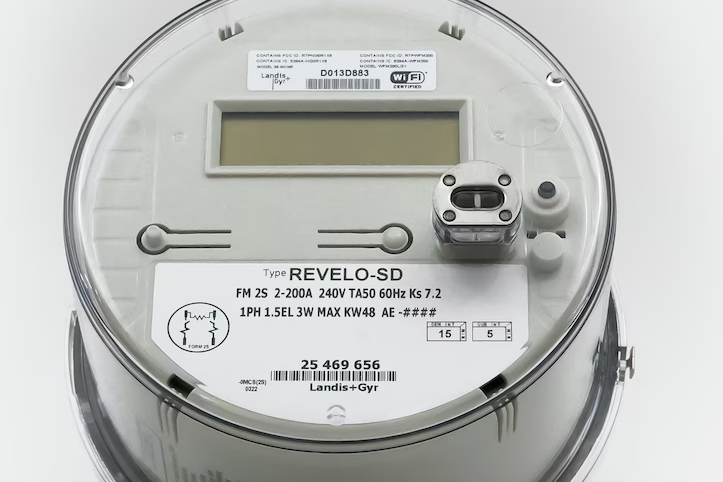
With Restart Energy, in addition to providing electricity at advantageous prices, you will be able to benefit from our wireless smart meter which will allow you to see consumption in real time, graphs and comparisons of consumption and active consumers at home. This way you can make your electricity consumption more efficient and reduce the cost of your bill.
Conclusion
The use of smart electricity meters marks a key move in updating Romania’s energy system, bringing notable advantages for both users and energy companies. These gadgets were introduced with the goal of enhancing efficiency, allowing automatic usage readings, and getting rid of the need for manual meter checks. By offering clearer and up-to-date information about electricity use, smart meters can change how energy is tracked, controlled, and billed.
Nonetheless, the slower-than-expected rollout of these systems reveals some issues related to large-scale infrastructure updates. While early plans aimed for about 85% of usage points to be fitted with smart meters by 2020, the actual swap has moved at a much slower speed. The current pace of implementation shows that moving to a completely digital metering system will take more time than first thought, postponing some of the expected perks for users and the energy industry.
Even with these delays, the long-term benefits of smart metering are still considerable. Smart meters help consumers better grasp their electricity use habits, allowing them to make wise choices about energy consumption and find chances for savings. Having access to detailed usage information can promote better energy efficiency and aid initiatives to lower electricity costs. Additionally, automated readings remove estimation mistakes and provide more accurate bills, boosting clarity between users and energy providers.
For energy distributors and suppliers, smart meters offer operational benefits that can improve the overall efficiency of the electricity network. Automated data collection reduces administrative costs, streamlines meter management, and enables faster identification of technical issues within the grid. The technology also supports the development of smart grids, which are increasingly important for integrating renewable energy sources and managing modern electricity systems more effectively.
The slower rollout should not diminish the importance of the initiative. Large-scale technological transitions often require substantial investments, careful planning, and coordination among multiple stakeholders. While the implementation process may take longer than initially projected, continued investment in smart metering infrastructure remains essential for achieving a more efficient, reliable, and digitally connected energy sector.
In conclusion, smart energy meters represent a key innovation that can significantly improve the way electricity is consumed and managed in Romania. Al
latest posts published
About new generation thermodynamic solar systems
Solar panels and minimalist design: how to integrate them into modern architecture
The impact of solar energy on the energy market landscape
How to choose the right electric scooter for my lifestyle
Innovative solutions to monetize the energy of domestic solar panels
What is the difference between prosumer and producer of electricity
Solar panels for your business, profitable or not?
Solar panels for charging electric vehicles
Renewable solar energy: clean and healthy future