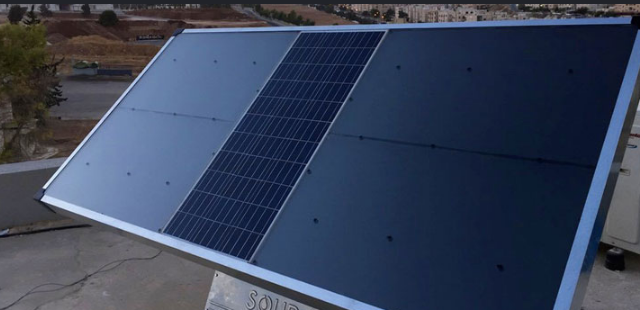
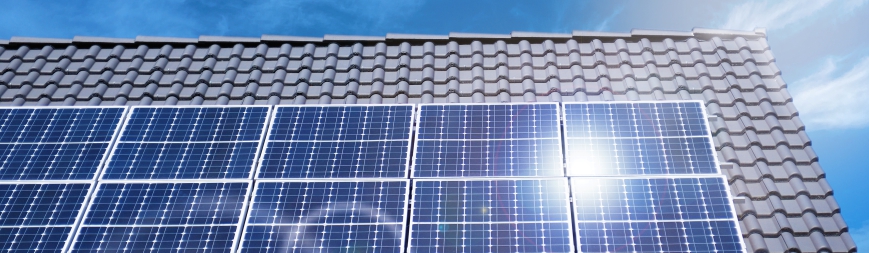
Photovoltaic panels represent the most important component of a photovoltaic system, they have the role of transforming solar radiation into electricity. The efficiency of a photovoltaic panel and, therefore, the quantity of electricity produced on the same surface, varies greatly depending on the type of photovoltaic panel. Let’s see what types of photovoltaic panels exist and which is the most efficient type.
Monocrystalline photovoltaic panels
Monocrystalline photovoltaic cells consist of a uniformly shaped silicon structure, made up of a single silicon crystal. Monocrystalline photovoltaic panels contain high purity silicon, this means that they are also the most efficient photovoltaic panels at the moment. The most recent models of monocrystalline photovoltaic panels reach an efficiency level of 26% (laboratory tests).
Monocrystalline panels have higher efficiency and power, take up less space and tend to be less affected by high temperatures than polycrystalline panels. This is why they last longer than other types of panels.
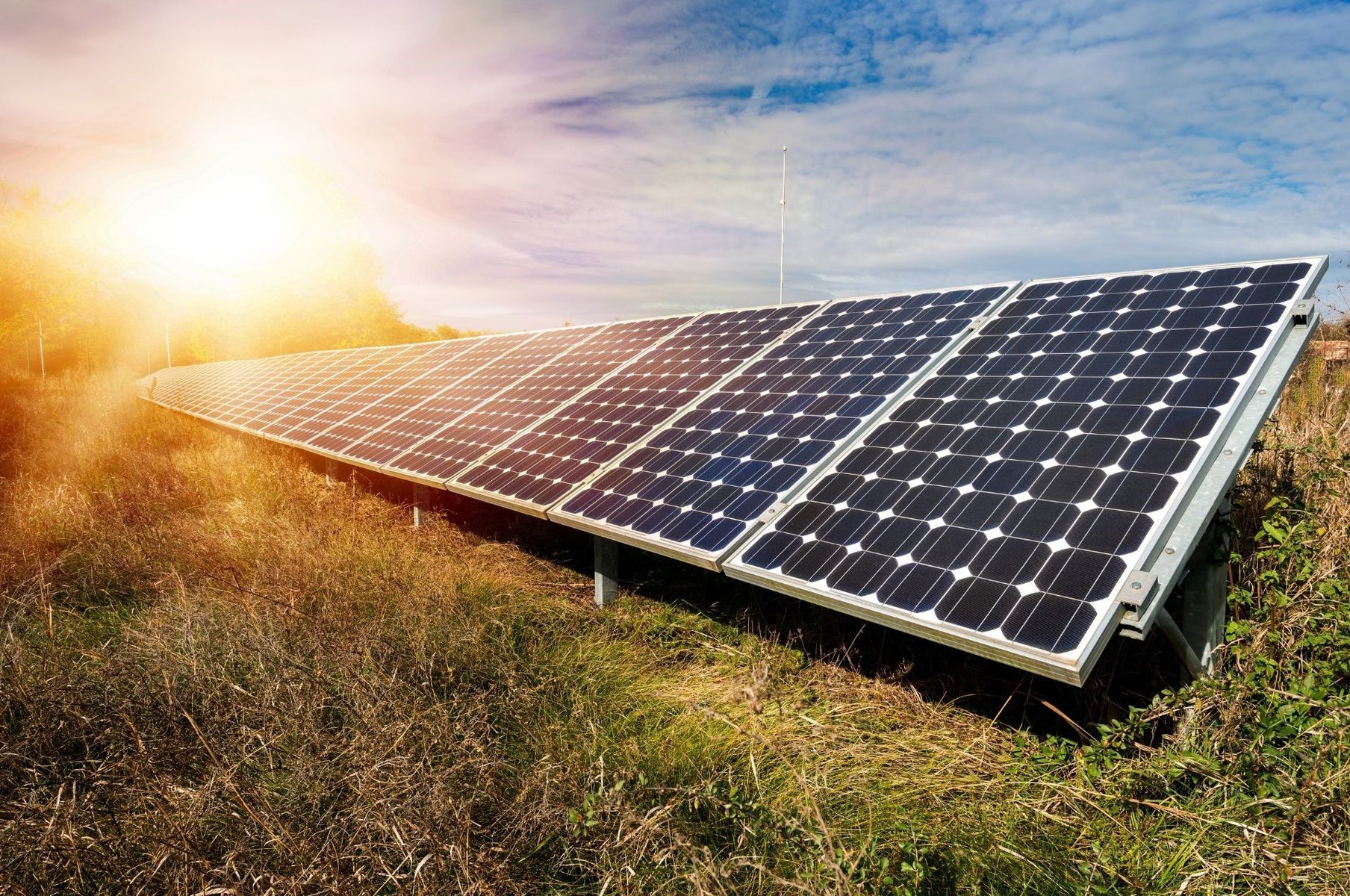
Monocrystalline panels are easily recognized by their uniform black color and rounded cell edges.
Read Zonetec’s solar blog to learn more about the components of a photovoltaic system or how you can become a prosumer to achieve energy independence.
Polycrystalline photovoltaic panels
Polycrystalline photovoltaic panels are also made of silicon, but unlike monocrystalline ones, they are made up of many different fragments of silicon. The difference between producing monocrystalline and polycrystalline solar cells is that, after purification, the molten silicon is allowed to cool and fragment. These fragments are then melted and poured into cubic growth crucibles. After the molten silicon solidifies, the ingots are cut into thin wafers, then polished, enhanced, diffused and assembled just like monocrystalline panels.
The molecular structure of the silicon thus obtained contains numerous crystalline grains. Polycrystalline photovoltaic cells are less energy efficient than monocrystalline photovoltaic cells, because they limit the flow of electrons, reducing the power provided by the photovoltaic cell.
Therefore, polycrystalline photovoltaic panels have an energy conversion efficiency of only 15-17%. But, due to lower manufacturing costs, polycrystalline panels are cheaper than monocrystalline ones
Amorphous photovoltaic panels (thin film)
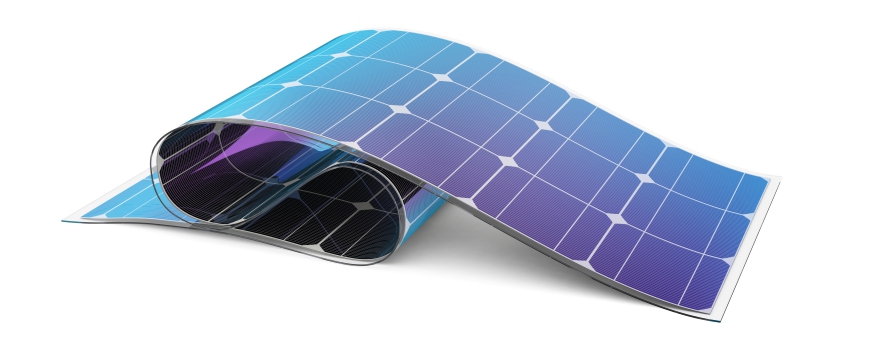
Thin film solar cells were initially developed for space applications, with a better power-to-size and weight ratio than crystalline silicon cells. Thin-film photovoltaic cells are produced by printing or spraying a very thin semiconductor layer of photovoltaic silicon onto a substrate of glass, metal or plastic film, which makes it very flexible.
By applying the material in thin layers, the total thickness of each photovoltaic cell is substantially less than that of an equivalent crystalline cell, and the manufacturing process is faster and more economical. This is why thin film photovoltaic cells have the lowest price.
Although they have better light absorption than equivalent crystalline materials, thin-film photovoltaic cells have a lower efficiency, between 9% and 13%, due to their non-crystalline structure. They also suffer from a 20% drop in efficiency in the first few months and are therefore sold with rated power based on their degraded power.
The following materials are used to make thin-film photovoltaic cells: cadmium telluride (CdTe), amorphous silicon (a-Si) (amorphous photovoltaic panels), copper indium gallium selenide (CIGS) and gallium arsenide (GaAs).
You have seen the main types of photovoltaic panels, now you can find out what else you need to pay attention to when choosing the best photovoltaic panel kit
Conclusion
Polycrystalline photovoltaic panels have established themselves as a practical and cost-effective solution for generating renewable electricity. Although they are generally less efficient than monocrystalline panels, their lower manufacturing costs make them an attractive option for homeowners, businesses, and large-scale projects seeking an affordable entry into solar energy. By balancing performance with economic value, polycrystalline technology continues to play an important role in expanding access to clean and sustainable electricity.
The manufacturing process of polycrystalline panels differs from that of monocrystalline modules by allowing molten silicon to cool naturally, forming multiple silicon crystals rather than a single crystal structure. While this process results in slightly lower energy conversion efficiency due to the boundaries between crystalline grains, it also requires less energy and fewer production resources. As a result, polycrystalline panels can be manufactured at a lower cost, making renewable energy installations more accessible to a wider range of consumers.
Although their efficiency typically ranges between 15% and 17%, polycrystalline panels remain highly effective in many applications. For properties with sufficient roof or ground space, the slightly lower efficiency is often offset by the reduced purchase price. This makes them particularly suitable for residential systems, commercial buildings, agricultural facilities, and utility-scale solar projects where installation area is not a major limitation.
Cost-effectiveness is one of the strongest advantages of polycrystalline technology. Lower upfront investment allows homeowners and businesses to reduce installation expenses while still benefiting from decades of renewable electricity generation. Modern polycrystalline panels are designed to operate reliably for more than 25 years, providing long-term energy savings, lower electricity bills, and an attractive return on investment despite their modestly lower efficiency.
Continuous technological improvements are also narrowing the performance gap between polycrystalline and monocrystalline panels. Advances in cell design, manufacturing techniques, and photovoltaic materials have enhanced durability, reliability, and energy production, making today’s polycrystalline systems significantly more efficient than earlier generations. These innovations continue to strengthen their position within the growing renewable energy market.
Ultimately, choosing between polycrystalline and monocrystalline photovoltaic panels depends on individual priorities, including budget, available installation space, and desired energy output. Polycrystalline panels offer an excellent balance between affordability, reliability, and environmental sustainability, making them an ideal choice for many renewable energy projects. As solar technology continues to evolve, these panels will remain an important contributor to the global transition toward clean, accessible, and cost-effective energy, helping individuals and businesses reduce both electricity costs and their environmental impact for decades to come.
latest posts published
About new generation thermodynamic solar systems
Solar panels and minimalist design: how to integrate them into modern architecture
The impact of solar energy on the energy market landscape

How to choose the right electric scooter for my lifestyle

Innovative solutions to monetize the energy of domestic solar panels
What is the difference between prosumer and producer of electricity
Solar panels for your business, profitable or not?
Solar panels for charging electric vehicles
Renewable solar energy: clean and healthy future