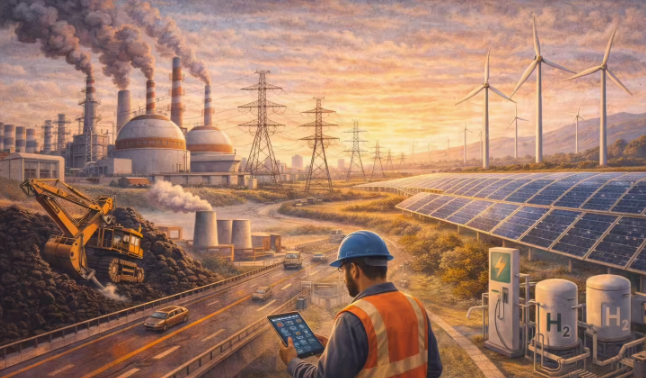
In 2018, the Ministry of Energy will have 36% less at its disposal compared to the 2017 allocation. The total amount is 583.3 million lei. This data is transmitted by the Ministry of Finance as part of the State Budget Law.
Possibility of increasing the budget of the Ministry of Energy?
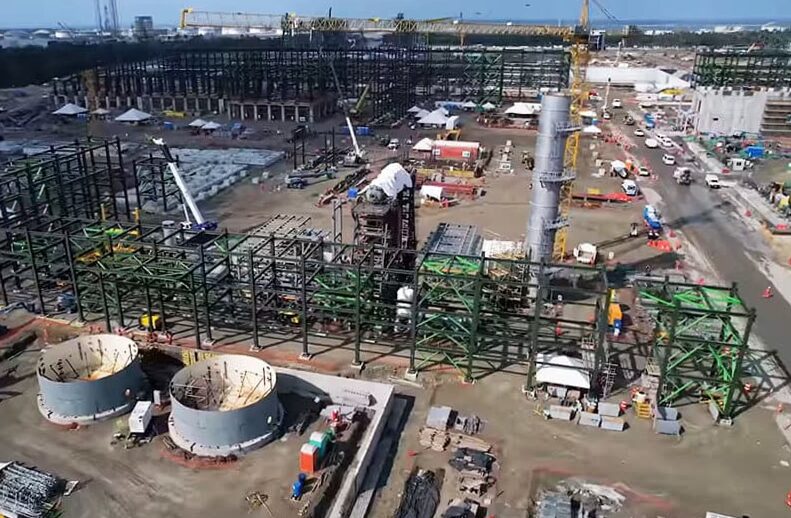
The allocated budget of 583.3 million lei can be increased with additional amounts, called commitment credits, in case of launching projects with results.
The sources of financing and the share of each source in the total financing of the Ministry of Energy are structured as follows: state budget 68% and own revenue 32%.
The basis for covering the costs of technical support in the nuclear energy sector has an initial budget of 56.4 million lei to which commitment credits of up to 56.4 million lei are added.
The objectives of the Ministry of Energy for 2018
As transmitted through the «LAW on the State Budget 2018» project, the investments planned for the three-year period 2018-2021 envisaged by the Law NO. 255/2010 relating to expropriation for reasons of public utility, necessary to achieve some objectives of national, provincial and local interest relating to compensation for privately owned buildings located on the site of the expropriation corridor. The investment objectives are:
CHECK OUT THE ENTIRE LAW HERE
– The opening and commissioning of the Roşia de Jiu quarry with a capacity of 8 million tons/year of lignite
– Works for the commissioning of the final production capacity of 8.5 million tons of lignite/year, Jilţ South quarry, Gorj county.
Overall, 22 ministries will receive more money in 2018, while in five others the funds will decrease, according to the summary of the draft budget.
The projected budget revenues for 2018 are estimated at 287.5 billion lei, respectively 31.7% of GDP. The largest shares of total budget revenue in 2018 are recorded by contributions with 10.1%, followed by VAT with 6.8%, excise duties with 3.3%, salary and income taxes with 2.3% of GDP.
The main objectives of the 2018 budget are:
Supporting the business environment – adopting fiscal easing measures to stimulate economic growth.
- reduce the income tax rate from 16% to 10%;
- reducing the total share of compulsory social contributions, overall, by 2 percentage points, so that of the total 39.25% of contributions paid on a gross salary, 37.25% will be paid.
- simplify taxation by reducing the number of social contributions from 9 to 3, namely the contribution for social insurance (CAS), the contribution for social health insurance (CASS) and the contribution for employment insurance;
- during 2017, an improvement in the VAT collection mechanism (split payment) was introduced, which will reduce the evasion of VAT declared and currently unpaid;
Support the SME sector – the small and medium-sized enterprise sector will benefit from state funding of programs such as:
- programs that bring together a series of State aid programmes, concerning ensuring sustainable economic development and supporting investments with a strong impact on the economy;
- the Start-up Nation programme, a program to encourage and stimulate the creation and development of SMEs;
- the program to support the internationalization of Romanian economic operators.
| MAIN MACROECONOMIC INDICATORS | ||
| Indicators | The year 2018 | |
| GDP – million lei | 907.852 | |
| Economic growth% | 5.5 | |
| Average annual inflation% | 3.1 | |
| Average lei/euro exchange rate | 4.55 | |
| % unemployed (total number of people) | 351,000 | |
| Average net monthly salary earnings lei | 2,614 | |
Conclusion
Government funding plays a key role in deciding the future of the energy field. Financial distributions affect the speed of building new infrastructure, renewable energy efforts, energy safety programs, and new technologies. While cuts in government support may first cause worries about the ability to back important programs, other funding options, like commitment credits or situation-based investments, can offer useful flexibility for ongoing key projects that provide clear long-term advantages.
A well-handled energy budget is not only based on its amount but also on how well resources are used. Smart investments in renewable energy, updating power grids, improving energy efficiency, research, and upgrading infrastructure can create ongoing economic and environmental benefits. Careful money management lets governments focus on projects that boost national energy safety while promoting sustainable economic growth and lowering reliance on imported energy supplies.
The possibility of increasing available funding through additional financial instruments demonstrates the importance of maintaining adaptability within public investment strategies. Large-scale energy projects often require long implementation periods and significant capital commitments. Flexible financing mechanisms enable governments to respond to emerging opportunities, technological advancements, and changing market conditions without delaying essential infrastructure development.
Public investment also plays a critical role in encouraging private sector participation. Stable government policies and consistent financial support create confidence among investors, energy companies, and technology developers, encouraging further investment in renewable energy, innovation, and modern energy infrastructure. Public-private collaboration can accelerate the deployment of clean energy technologies while improving overall efficiency and competitiveness within the energy sector.
As global energy markets continue to evolve, governments face increasing pressure to balance fiscal responsibility with the need for long-term investment. Modern energy systems require continuous modernization to improve reliability, integrate renewable energy sources, strengthen transmission networks, and enhance environmental sustainability. Even during periods of budget constraints, maintaining support for strategic energy initiatives remains essential for ensuring long-term economic growth and energy resilience.
Ultimately, the effectiveness of an energy budget depends not only on the total amount allocated but also on the quality of investment decisions and the ability to adapt funding to national priorities. Careful planning, transparent resource management, and strategic financing mechanisms can maximize the impact of available resources while supporting innovation, sustainability, and energy security. By focusing on long-term development rather than short-term limitations, governments can build a stronger, more resilient energy sector capable of meeting future economic, environmental, and technological challenges.
latest posts published
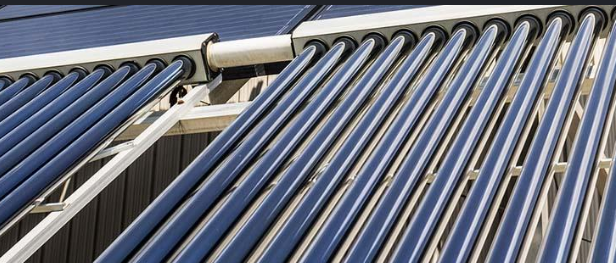
About new generation thermodynamic solar systems
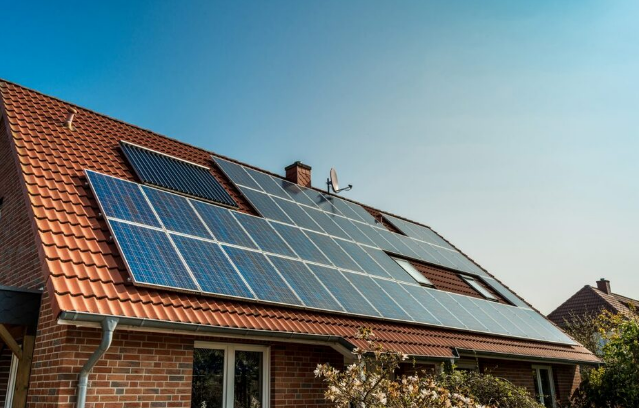
Solar panels and minimalist design: how to integrate them into modern architecture
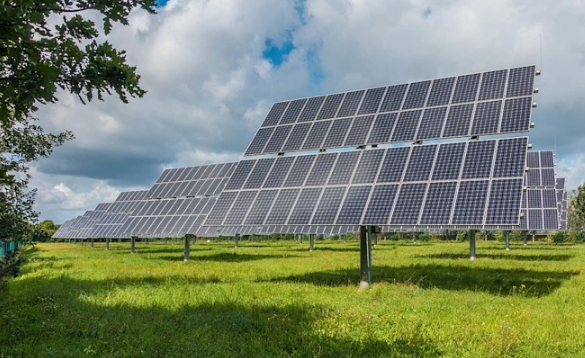
The impact of solar energy on the energy market landscape

How to choose the right electric scooter for my lifestyle
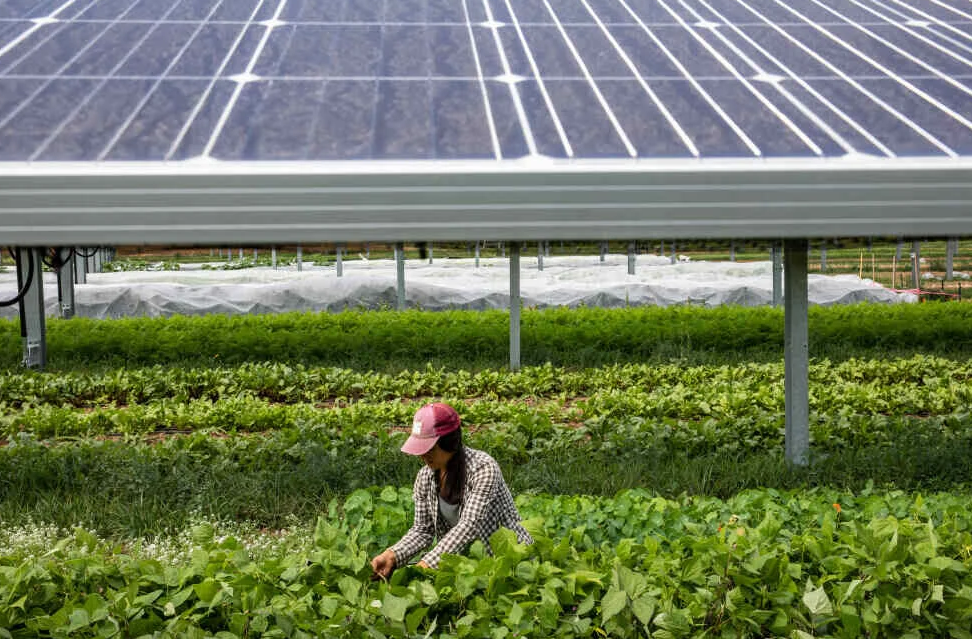
Innovative solutions to monetize the energy of domestic solar panels
What is the difference between prosumer and producer of electricity
Solar panels for your business, profitable or not?
Solar panels for charging electric vehicles
Renewable solar energy: clean and healthy future