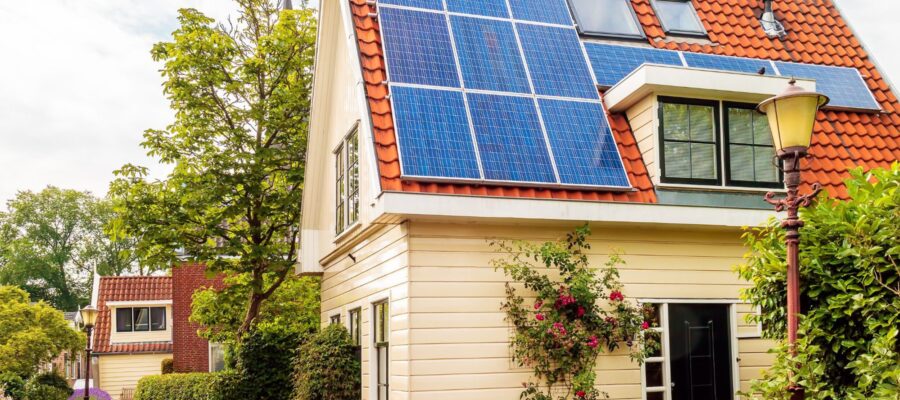
Lifespan of a solar panel: recycling and reuse The life of a solar panel is more than 25 years. Interestingly, many solar panels set up in the early 1980s are still working. Although the typical lifespan of a solar panel is between 25-30 years, it won’t stop working at that time. However, it will generate less electricity over time.
Overall, solar panels are very tough. Most makers test their panels to make sure they can handle strong winds and heavy snow. Many solar panels are specifically tested to check their resistance to hail. In addition, solar power systems have stable components and need very little upkeep. But what takes place with solar panels after 30 years or even longer? Where do they go? Can they be used again for other things? We will provide answers to these questions and more in the article below.
The recycling process, after the life of a panel
Can solar panels be recycled? Yes, that would be the shortest answer. The solar photovoltaic module recycling market is constantly developing and interested organizations are constantly trying to improve their infrastructure. Silicon solar modules are mainly composed of glass, plastic and aluminum. Here are the essential steps to successfully recycle a silicon module.
- Removing the aluminum frame (100% reusable)
- Glass repair along a conveyor belt (95% reusable)
- Heat treated at 500 degrees Celsius. This allows the small plastic components to evaporate and the cells can be separated more easily.
- Silicon wafer etching and wafer casting (85% reusable)
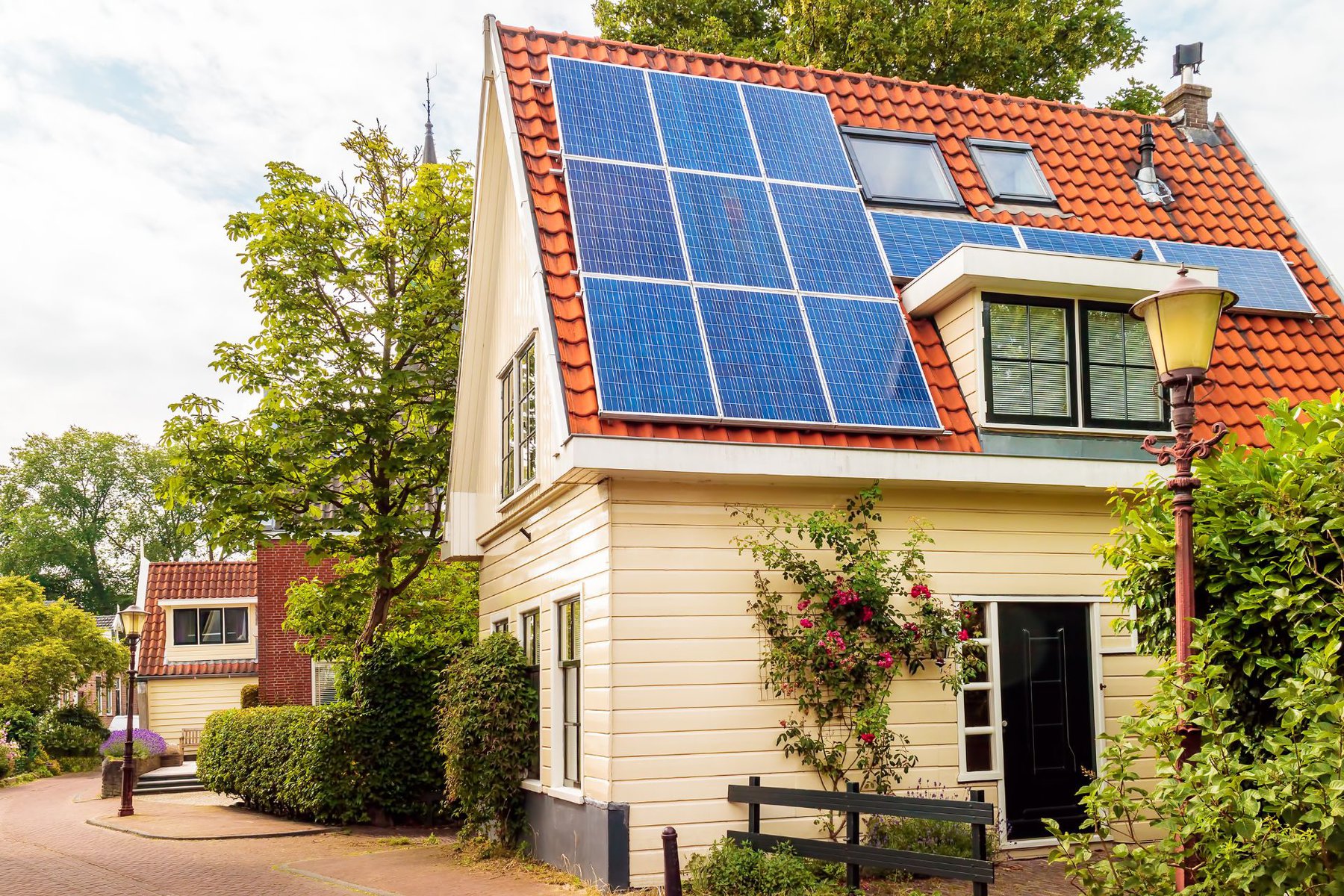
Solar panels can be both recycled and reused
We all already know that solar panels are an increasingly important source of renewable energy, with a vital role in the fight against climate change. Just as cell phones, laptops and other electronic devices can be refurbished, solar panels can also be restored. Specialists in the sector give them a second life to be used for another purpose. For example, a panel that is no longer usable in a solar park could be reused in a private residence. Photovoltaic panels whose life has come to an end can still be used as follows:
- Campers and Campers.
- Nature excursions (an old solar panel provides enough power to charge a cell phone).
- Smaller projectswhich includes a shed, greenhouses or a tool shed.
The importance of photovoltaic recycling
Recycling solar panels is important for two main reasons: reducing hazardous waste from landfills and recovering valuable materials. The more components that are recycled, the less waste will end up in landfills. Recycled materials can produce new panels to further reduce the consumption of expensive elements. The International Renewable Energy Agency predicts that the global value of raw materials recycled from old solar panels will reach $450 million by 2030. This figure is roughly equal to the cost of producing 60 million new solar panels. This is exactly why recycling solar panels is such a necessary process.
Conclusion
The long lifespan of modern solar panels is one of the key reasons why photovoltaic systems have become a highly attractive investment for homeowners, businesses, and utility companies. Designed to operate efficiently for 25 to 30 years or more, solar panels continue to generate electricity well beyond their warranty period, although their energy output gradually decreases over time. This combination of durability, reliability, and long-term performance makes solar technology one of the most sustainable renewable energy solutions available today.
One of the greatest advantages of photovoltaic panels is their slow rate of performance degradation. Rather than suddenly stopping production after a specific number of years, most panels continue generating electricity at slightly reduced efficiency. Even after several decades of operation, many systems are still capable of producing a significant percentage of their original power output, allowing owners to benefit from clean energy generation long after the initial investment has been recovered.
As increasing numbers of solar panels eventually reach the end of their operational lives, recycling and material recovery become increasingly important aspects of the renewable energy industry. Modern recycling technologies make it possible to recover valuable materials such as glass, aluminum, silicon, copper, and other components that can be reused in the manufacturing of new products. This reduces waste, conserves natural resources, and supports the principles of a circular economy by extending the useful life of valuable raw materials.
In addition to recycling, many solar panels can be repurposed for applications with lower energy demands. Panels that no longer meet the performance requirements of large commercial installations may still provide sufficient electricity for smaller projects, rural applications, educational facilities, or off-grid systems. Reusing photovoltaic equipment before recycling further maximizes the environmental and economic value of these technologies while reducing unnecessary waste.
Continuous innovation in photovoltaic manufacturing is also improving panel longevity and recyclability. New materials, enhanced production techniques, and more efficient recycling processes are making future solar panels even more durable, environmentally friendly, and easier to recover at the end of their service life. These advancements strengthen the sustainability of the entire solar energy industry while reducing its long-term environmental footprint.
Ultimately, the lifespan of a solar panel extends far beyond its years of electricity production. Through responsible maintenance, gradual performance degradation, recycling, and potential reuse, photovoltaic systems continue delivering value long after installation. Investing in solar technology means investing in a renewable energy solution that combines decades of reliable electricity generation with environmentally responsible end-of-life management, making solar power one of the most sustainable and forward-looking energy choices for the future.
latest posts published
About new generation thermodynamic solar systems
Solar panels and minimalist design: how to integrate them into modern architecture
The impact of solar energy on the energy market landscape

How to choose the right electric scooter for my lifestyle

Innovative solutions to monetize the energy of domestic solar panels
What is the difference between prosumer and producer of electricity
Solar panels for your business, profitable or not?
Solar panels for charging electric vehicles
Renewable solar energy: clean and healthy future