It is already understood that solar energy created by solar parks decreases greenhouse gas emissions, enhancing our health and the environment we live in. In the last ten years, solar farming has made a significant change from being a test technology to something almost everyone can utilize fully. One of the main reasons why setting up solar parks helps both business and farming is the chance to have a clean and sustainable source of energy.
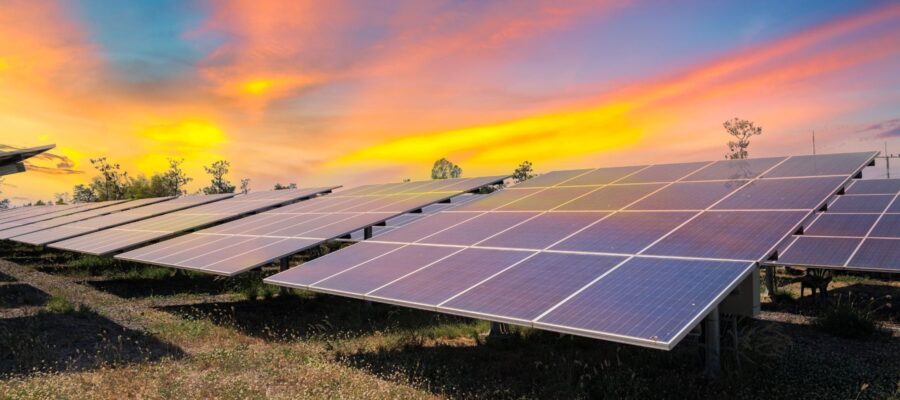
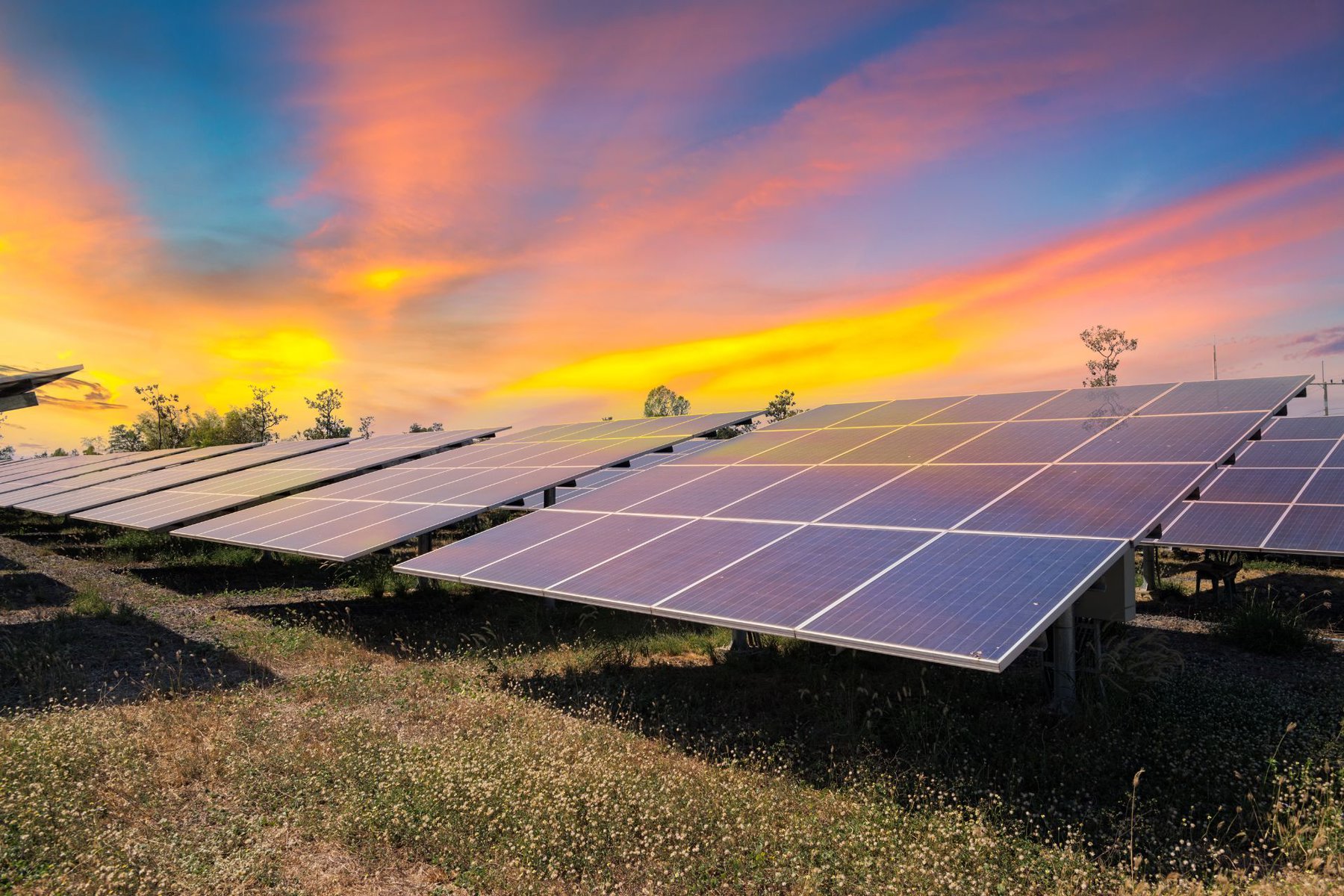
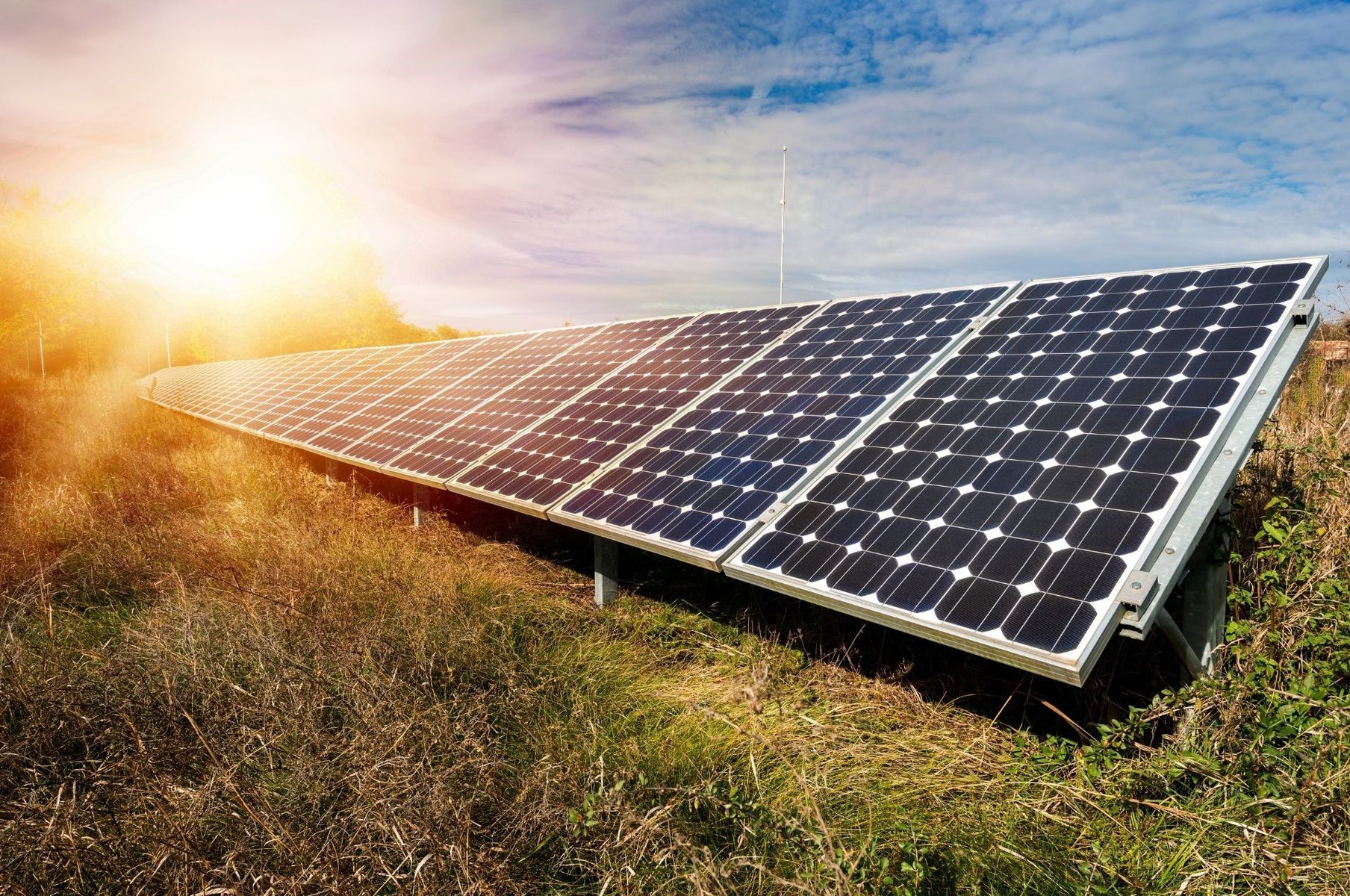
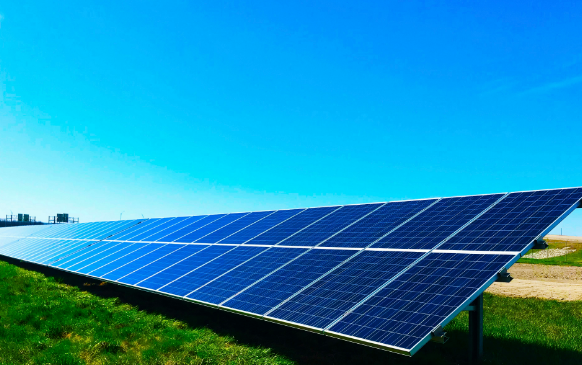
The solar sector has experienced quick growth in the last ten years. In this situation, solar parks have grown and become well-known across the globe. A solar park is a group of photovoltaic solar panels that capture energy from the sun. They then change it into electricity and send it to the power grid for distribution and use by consumers. Solar parks are also known as solar farms or photovoltaic systems. They are generally set up on the ground instead of on rooftops and come in different sizes and shapes.
Smart solar farms offer an excellent return on investment
Nowadays, solar energy is transforming agricultural lands into smart farms. Solar farms can include hundreds and even thousands of solar panels. Solar farms are large-scale installations built to sell energy to the grid or to energy companies, such as shopping centers or industrial parks. Solar gardens, as farms are also called, offer an excellent return on investment. At the same time, they are a true source of renewable energy. Maintenance costs are low. Regular work needs to be done from time to time to get the most out of your solar farm. With no greenhouse gas emissions or pollution, large-scale solar solutions in areas with good sun exposure are in high demand among those looking to reduce their environmental impact and save money.
How the implementation of solar parks helps environmental sustainability
The main purpose of solar energy is to reduce carbon emissions from electricity production to mitigate climate change. We present below what are the positive aspects of the implementation of solar parks.
- Stimulate biodiversity. Solar parks can increase ecosystem productivity.
- Integration of agriculture. Agrivoltaics benefits rural economies and keeps agricultural land in production.
- Conserve habitat and improve soil health.
- Solar parks require little maintenance. The panels are made of durable materials designed to withstand a lot of damage with minimal cleaning required.
Restart Energy supports Romanian entrepreneurship
If we still talk about sustainability, know that Restart Energy has already entered the community of those who contribute to saving the environment. We created the platform specifically for you and your business https://redplatform.com/. We support companies and individuals in calculating, reducing and offsetting their carbon footprint using blockchain technology. Our platform makes carbon offsetting easy, transparent and accessible to all. It focuses on:
- Supporting companies and individuals to become sustainable.
- Increased production of green energy.
- Establish incentives to increase green energy consumption.
- Develop and support sustainable projects.
Conclusion
Solar parks have become one of the most important contributors to the global expansion of renewable energy, demonstrating that large-scale photovoltaic installations can deliver substantial environmental, economic, and social benefits. Over the past decade, solar farming has evolved from an emerging technology into a mature and highly competitive energy solution capable of supplying clean electricity to businesses, industries, communities, and agricultural operations. As technology continues to advance, solar parks are expected to play an even greater role in supporting the transition toward a low-carbon economy.
One of the greatest advantages of solar parks is their ability to generate large amounts of electricity without producing greenhouse gas emissions during operation. By replacing conventional fossil fuel power generation, solar farms help reduce carbon emissions, improve air quality, and mitigate the environmental impacts associated with climate change. These benefits contribute to healthier communities while supporting national and international sustainability objectives aimed at protecting the environment for future generations.
Beyond their environmental impact, solar parks offer significant economic value. Businesses that invest in large-scale photovoltaic systems can reduce electricity costs, improve long-term energy price stability, and decrease dependence on conventional energy suppliers. The predictable operating costs of solar energy provide greater financial security while allowing organizations to allocate resources more efficiently. In addition, the construction and operation of solar parks create employment opportunities and stimulate investment in local economies.
Solar farming also creates new opportunities for the agricultural sector. Carefully planned photovoltaic installations can coexist with farming activities through innovative approaches such as agrivoltaics, where crops and renewable energy production share the same land. This dual-use strategy increases land productivity, diversifies farm income, and supports sustainable agricultural development while preserving valuable natural resources.
Continuous technological innovation has made solar parks more efficient, reliable, and affordable than ever before. Improvements in photovoltaic panel efficiency, energy storage systems, intelligent monitoring technologies, and grid integration have significantly increased electricity production while reducing installation and maintenance costs. These advancements ensure that solar farms remain a highly competitive source of renewable energy capable of meeting growing electricity demand.
Ultimately, solar parks represent much more than large-scale electricity generation facilities—they are strategic investments in environmental sustainability, economic resilience, and energy security. By producing clean, renewable power while reducing carbon emissions and supporting sustainable development, solar farming demonstrates how modern technology can benefit both businesses and agriculture. As global demand for renewable energy continues to rise, solar parks will remain a cornerstone of the world’s transition toward a cleaner, more efficient, and environmentally responsible energy future.
latest posts published
About new generation thermodynamic solar systems
Solar panels and minimalist design: how to integrate them into modern architecture
The impact of solar energy on the energy market landscape

How to choose the right electric scooter for my lifestyle
Innovative solutions to monetize the energy of domestic solar panels

What is the difference between prosumer and producer of electricity
Solar panels for your business, profitable or not?
Solar panels for charging electric vehicles
Renewable solar energy: clean and healthy future