
Global amounts of carbon dioxide (CO2) emissions should be reduced by half by 2030 to prevent more frequent and severe extreme weather events. In 2015, global leaders came together at the United Nations meeting in Paris and promised to use the best methods to keep the rise in global average temperatures under 2°C. The main aim, although challenging, is to stop global warming from going over 1.5°C. This aim can only be achieved through the energy shift process.
Climate change is already a known fact and an urgent issue, experienced daily across the globe. A united effort is necessary to safeguard the planet. There is already a worldwide promise to lessen the effects on the environment, backed by scientific research and endorsed by various international organizations, which many nations have joined.
What is the concept of energy transition?
The expression energy transition refers to the path followed since then in terms of transformation of the energy sector, replacing the energy matrix based on fossil fuels (such as coal, petrol and gas) with another based on renewable energy sources.
At the center is the need to reduce carbon dioxide (CO2) emissions, caused by the use of non-renewable energy sources, such as fossil fuels. The energy transition is catapulted essentially by information and intelligence technologies, but also by political representatives and market instruments.
What is changing with the energy transition?
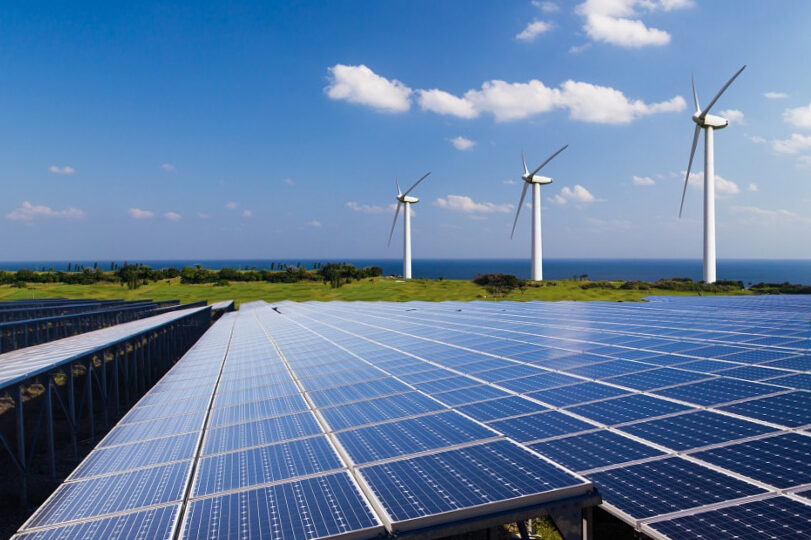
The path towards 1.5°C positions electrification and efficiency as the main drivers of the energy transition, based on renewable energy, hydrogen and sustainable biomass. This path, which requires a radical change in the way societies produce and consume energy, would result in a reduction of almost 37 gigatons of annual CO2 emissions by 2050 (data from the OECD Environmental Outlook to 2050). To achieve this goal, world leaders have the following strategies at their disposal:
1 – Replacement of fossil fuels with clean renewable energy
A first change after an energy transition has taken place is that phasing out fossil fuels should be achieved in combination with measures to remove market distortions while encouraging energy transition solutions. This involves phasing out fossil fuel subsidies and ensuring that all the full costs (environmental, health and social) of burning fossil fuels are reflected in their prices. Tax policies need to be adjusted to increase competition for transition solutions. The necessary social impact and equity assessment cannot be overlooked, especially for low-income populations, to ensure that energy poverty does not worsen. The deployment of renewable energy is faster and cheaper than alternatives, but to meet the targets set by the IPCC, the annual addition of renewable energy must be three times higher than the current rate of deployment. This growth will be possible if the right conditions exist.
2 – Infrastructure upgrade
Updating, modernizing and expanding infrastructure will increase the resilience and flexibility of a diversified and interconnected system, capable of hosting large portions of variable and renewable energy. In addition to numerous technological solutions, markets will have to adapt. In the era of variable renewables, electricity should be purchased taking into account the characteristics of decentralized generation technology, without fuel or opportunity costs.
3 – Adoption of ecological hydrogen
The use of green hydrogen will be widespread by 2030. Only 0.5 GW of electrolysers were installed in 2021; cumulative installed capacity must increase to around 350 GW by 2030.
4 – The bet on bioenergy
The advantage of bioenergy to cover energy demand, including the demand for raw materials, is expected to triple by 2030. At the same time, the traditional use of biomass (such as firewood) will have to be replaced by cleaner solutions. The expansion of biomass supply must be carefully managed to ensure sustainability and minimize any negative outcomes.
5 – Generalization of the use of electric vehicles
Electromobility is one of the main factors that can promote an energy transition. According to data published by the International Council on Clean Transportation (ICCT), electric vehicles accounted for 8.3% of global auto sales in 2021. This figure will increase significantly in the coming years.
6 – Construction (and conversion) of intelligent buildings
Every new building should already be energy efficient and the costs of renovating existing structures should be significantly increased. Improving building regulations and regulations can make a huge difference in the short term. The resulting decarbonisation of space heating and cooling will require changes to building design and appliance energy performance models. The solution will mainly be through the adoption of solar water heating systems, heat pumps based on renewable energy and geothermal heating.
7 – Reduction of energy consumption
The transformation of energy systems does not only mean replacing energy sources, but also the efficient use of energy in every sector. In the medium and long term, innovation, recycling and the circular economy will play an important role in the path towards energy efficiency. The coming years should see an increase in investment in research and development and the implementation of pilot projects in various areas. All this should be accompanied by real and effective efforts to reduce unnecessary consumption.
Every day the cost of inactivity increases. Soaring fossil fuel prices and the lack of alternatives result from future energy poverty and the loss of industrial competition. Political will and determination certainly play a fundamental role in charting the path that an energy transition should follow. This will determine how the world should be shaped, but the power is in everyone’s hands. The right time to do something is now.
latest posts published

About new generation thermodynamic solar systems
Solar panels and minimalist design: how to integrate them into modern architecture
The impact of solar energy on the energy market landscape

How to choose the right electric scooter for my lifestyle
Innovative solutions to monetize the energy of domestic solar panels

What is the difference between prosumer and producer of electricity
Solar panels for your business, profitable or not?
Solar panels for charging electric vehicles
Renewable solar energy: clean and healthy future