The upkeep of the solar system is, following its setup, the most crucial action that any company looking to invest in solar power must focus on. To enjoy the most self-generated electricity over time, businesses need to take several actions to ensure the system runs at its best.
The sun gives off more energy to the Earth in just one hour than the entire world uses in a full year. Solar companies can capture this clean energy by applying solar photovoltaic methods through both land and building designs.
Maintenance of solar systems, in three necessary steps
The main purpose of maintenance performed regularly on photovoltaic systems is to increase their operating time.
- Cleaning solar panels. Washed with softened water, the surfaces of the solar panels are always ready to capture, for long periods, all the amount of solar energy that can be collected. If a thick layer of dirt/dust settles on the modules, use cold water. Its surface can be cleaned with a sponge.
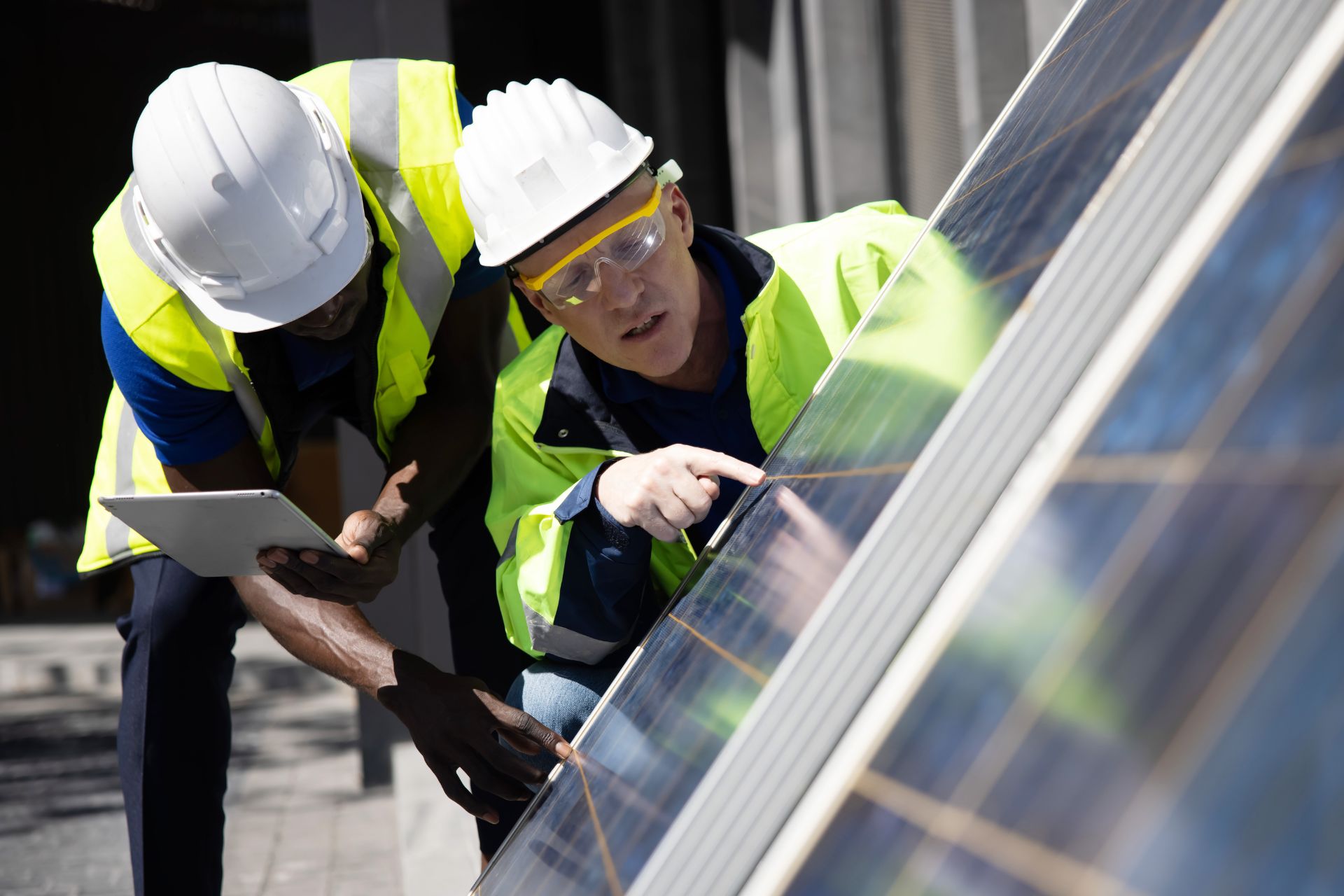
- Visual inspection. Its role is to identify and correct in time any imperfections that the solar panels may present. Usually we look for cracks, breaks, fogged glass, water leaks, delaminated and discolored portions.
- Stability of the structure. Solar panel mounting frames are examined for rusty screws or unstable frames. Junction boxes are checked for wires gnawed by rodents or damaged by insects.
Further checks for the safety of the photovoltaic system
inverter it also serves to minimize the accumulation of dust. With a dry cloth, remove any dirt that may cover it. The LEDs and indicators are checked, whether the cables have perfect contacts or need to be replaced. To realize that everything works according to the architecture, when the sun shines, the system must load. Mainly responsible for this is the charge regulator.
Also, cable insulation furthermore it is periodically checked to ensure that there are no cracks, breaks or damage to the conductor. Solar panel boxes are inspected so that they do not become a «home» for rodents/pests. Furthermore, the electrical connections must not show corrosion or signs of premature use.
Restart Energy guarantees the maintenance of your photovoltaic system
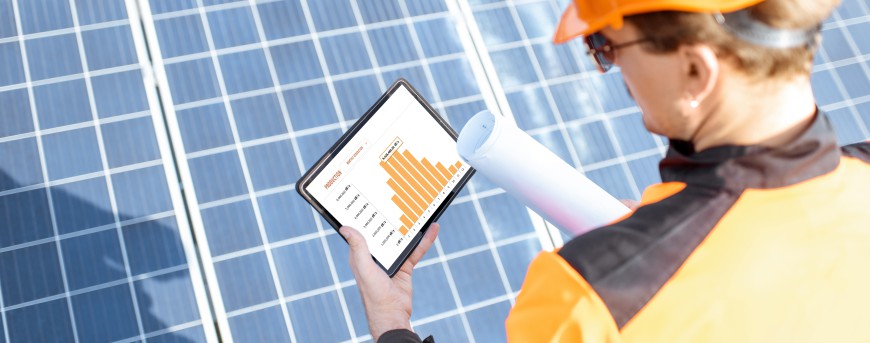
The operation and maintenance of the solar system is also managed by Restart Energy. The customer will have access to their account in the digital portal to see how much energy the solar system produces in real time. The modern monitoring systems installed by Restart Energy will alert our technicians in real time in the event of a fault and will be on site within 24 hours to resolve the problem. Here are the main steps we follow when we take care of the maintenance of the solar system:
- Restart Energy keeps some important components such as solar inverters in stock
- In case of failure we provide repair or replacement within 48 hours
- We offer a 10 year installation guarantee and the panels are guaranteed by the manufacturers for 25 years
specialists Restart the power are at your disposal to ensure that your solar energy generation system always operates with optimal parameters.
Conclusion
Proper maintenance is essential to ensuring that a photovoltaic system continues to operate efficiently throughout its entire lifespan. While installing a solar energy system is a significant investment, maintaining it correctly is what allows businesses to maximize energy production, protect their financial investment, and achieve long-term operational savings. A well-maintained solar installation can deliver reliable performance for decades, making preventive care an integral part of any successful renewable energy strategy.
One of the primary objectives of solar system maintenance is to preserve maximum energy output. Over time, dust, dirt, leaves, bird droppings, and other environmental debris can accumulate on the surface of solar panels, reducing the amount of sunlight reaching the photovoltaic cells. Regular cleaning helps maintain peak efficiency and ensures that the system continues generating the highest possible amount of electricity throughout the year.
Routine inspections are equally important for identifying potential issues before they become costly problems. Components such as inverters, electrical connections, mounting structures, and monitoring equipment should be checked periodically to ensure they remain in excellent working condition. Detecting loose wiring, corrosion, physical damage, or declining performance at an early stage helps prevent unexpected failures and minimizes system downtime.
Modern monitoring technologies have made solar maintenance even more effective. Many photovoltaic systems include digital monitoring platforms that provide real-time information about energy production and overall system performance. These tools allow operators to quickly identify unusual drops in electricity generation, making it easier to schedule inspections and corrective maintenance before significant losses occur. Continuous performance monitoring also helps optimize energy efficiency and extend the lifespan of system components.
Beyond improving technical performance, proper maintenance enhances the financial return on investment. A solar system operating at peak efficiency generates more electricity, reducing dependence on external energy suppliers and lowering utility costs over many years. Preventive maintenance also reduces the likelihood of expensive repairs and extends the operational life of key components, allowing businesses to maximize the value of their renewable energy investment.
Ultimately, maintaining a photovoltaic system is not simply a technical requirement—it is a strategic investment in long-term energy reliability, operational efficiency, and sustainability. Regular cleaning, scheduled inspections, performance monitoring, and professional servicing ensure that solar installations continue delivering clean, affordable electricity for decades. By prioritizing maintenance, companies can protect their investment, improve energy independence, reduce operating costs, and fully realize the environmental and economic benefits that solar energy offers in an increasingly sustainable business landscape.
latest posts published
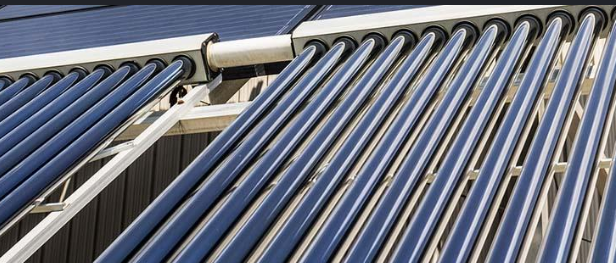
About new generation thermodynamic solar systems
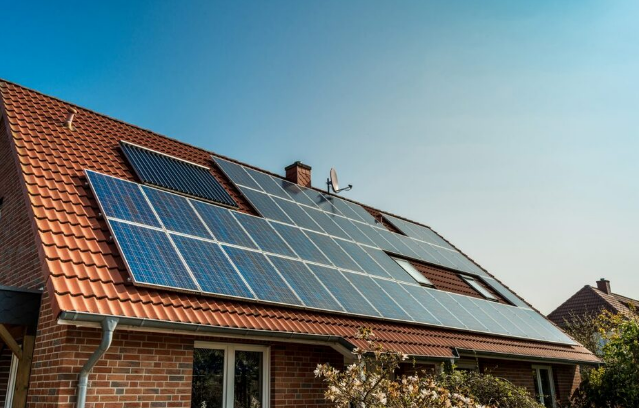
Solar panels and minimalist design: how to integrate them into modern architecture
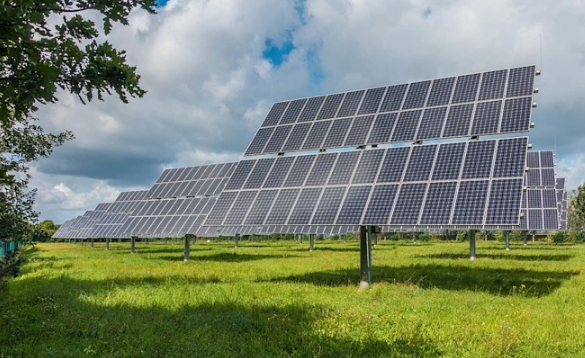
The impact of solar energy on the energy market landscape

How to choose the right electric scooter for my lifestyle
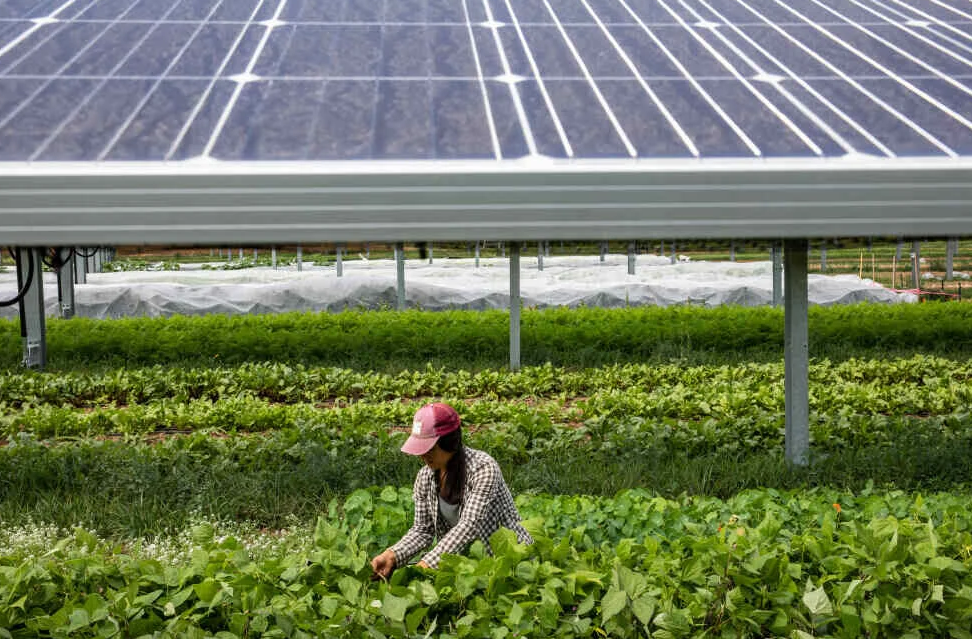
Innovative solutions to monetize the energy of domestic solar panels
What is the difference between prosumer and producer of electricity
Solar panels for your business, profitable or not?
Solar panels for charging electric vehicles
Renewable solar energy: clean and healthy future