Solar panel upkeep in three easy steps One of the main benefits of solar panel upkeep is that they do not need a lot of complex or costly attention. Solar systems can break down more as time passes, but they are not entirely resistant to the elements.
New technologies for making solar panels help maintain their efficiency at up to 92% (over 20 years of use). This is only achievable if they are well looked after and regularly checked. Experts think that slanted solar panels are usually cleaner than those set up flat. Still, it is essential to keep their surface in good shape to achieve the best performance. In this article, we offer you tips on how to care for your solar panels in three easy steps.
1. Cleaning: The most important step for solar panel maintenance
- Schedule solar panel maintenance and monthly cleaning. You can pay a company to clean/inspect them or you can do it yourself. You can use a soft cloth and biodegradable detergent.
- Visual inspection. Make sure solar panel cells are not clogged with dust, sand or bird droppings, leaves and seasonal pollen.
- Beautify the branches of surrounding trees. If tree branches are too close to the solar panels they will create shadows. These will considerably reduce the amount of light captured by the sun.
- Spray the panels with water to remove dust. When the most natural form of cleaning solar panels (rain) is missing, action must be taken. At least a couple of times a year, spray their surface with a hose to avoid dirt accumulation.
- Do not clean them of snow. If you don’t have the equipment (or training) to remove snow from solar panels, it’s best to let the sun (and heat from inside) melt the ice over time.
2. Call specialists for annual inspection
Annually, for the maintenance of the solar panels, they turn to a specialized company to carry out various specific jobs, in order to obtain their maximum yield. The process involves several stages:
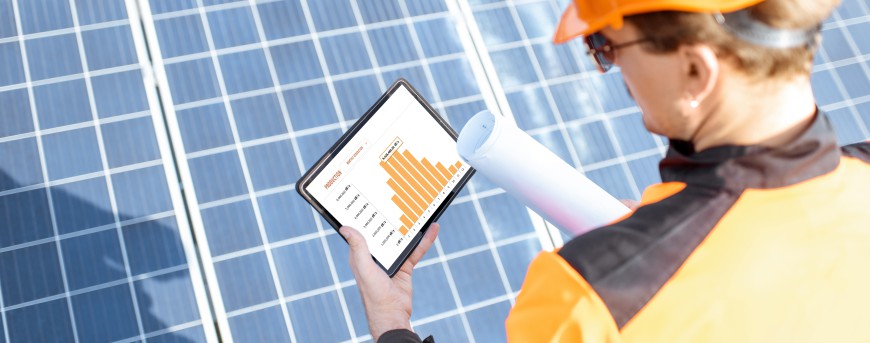
- Check overall system performance by reviewing daily performance data
- Inspection of solar panels for cleanliness, no loose parts, scratches, corrosion or condensation
- You should also carefully examine the wiring to monitor whether the voltage is within the tolerance for which the system was designed
- Examine the mounting brackets and ensure good grounding
- Junction boxes should be checked for any accumulation of water
- Measure the voltage reaching the INVERTERS
3. Check the correct functioning of the entire system
Maintenance of the components of the photovoltaic system (inverters, accumulators, voltage regulators, cables, solar meters) also falls within the maintenance of solar panels. To avoid the costs of various components that may fail, you need to keep track of the statistics sent by the system. Furthermore, to enjoy maximum efficiency of the panels it is necessary to ensure that the voltage regulator is not faulty. No solar system accessory should be overlooked. The slightest failure of one of its parts can lead to a reduction in performance or even failure of the entire system.
In conclusion, in order to make the most of the solar energy provided by the supplied panels, make sure that they are not shaded or covered by a substantial layer of dust. Clean them constantly and make sure all components are working properly. So, turn to professionals for annual reviews and effective checks.
Conclusion
Proper maintenance is one of the simplest yet most important ways to maximize the performance and lifespan of a solar energy system. Unlike many other types of energy infrastructure, photovoltaic panels require relatively little maintenance to operate efficiently for decades. However, regular inspections, routine cleaning, and timely attention to minor issues can significantly improve energy production while protecting the long-term value of the investment.
One of the greatest advantages of solar panels is their durability. Modern photovoltaic systems are designed to withstand a wide range of environmental conditions, including rain, wind, snow, and high temperatures. Although they are built to be highly resistant, continuous exposure to weather, dust, leaves, bird droppings, and other debris can gradually reduce their efficiency by limiting the amount of sunlight that reaches the solar cells. Periodic cleaning helps maintain optimal performance and ensures that the panels continue generating electricity at their highest possible capacity.
Regular visual inspections are equally important. Checking for signs of physical damage, loose electrical connections, corrosion, or shading caused by growing vegetation allows potential problems to be identified before they affect system performance. Monitoring energy production through modern solar monitoring systems also helps detect unexpected drops in efficiency, making it easier to schedule maintenance or repairs before more significant issues develop.
Professional maintenance can further extend the lifespan of a solar installation. While many routine tasks can be performed safely by the owner, qualified technicians have the expertise and specialized equipment needed to inspect electrical components, test system performance, verify inverter operation, and ensure that the entire installation continues to operate safely and efficiently. Preventive maintenance often reduces the likelihood of costly repairs and minimizes downtime throughout the system’s operational life.
In addition to preserving performance, proper maintenance also protects the financial return on investment. A well-maintained photovoltaic system consistently produces more electricity, resulting in greater energy savings and improved long-term profitability. Since most solar panels continue operating for 25 to 30 years or more, maintaining peak efficiency throughout their lifetime can significantly increase the total value generated by the system.
Ultimately, solar panel maintenance is a simple but essential part of owning a renewable energy system. Regular cleaning, routine inspections, and professional servicing when necessary help ensure reliable performance, maximize electricity production, and extend the operational lifespan of the installation. By dedicating a small amount of time to preventive care, homeowners and businesses can continue enjoying the economic and environmental benefits of clean solar energy for decades while protecting one of their most valuable long-term investments.
latest posts published
About new generation thermodynamic solar systems
Solar panels and minimalist design: how to integrate them into modern architecture
The impact of solar energy on the energy market landscape

How to choose the right electric scooter for my lifestyle
Innovative solutions to monetize the energy of domestic solar panels
What is the difference between prosumer and producer of electricity
Solar panels for your business, profitable or not?
Solar panels for charging electric vehicles
Renewable solar energy: clean and healthy future