Solar panel recycling businesses are building the systems needed to handle the upcoming number of used solar panels. They promote and increase recovery and recycling methods. In what is known as the growth of solar panels, a crucial process in a few years will be recycling. This needs advanced machinery and several careful steps to complete.
Can solar panels be recycled? The simple answer is yes. Silicon solar panels are mostly made of glass, plastic, and aluminum: three materials that can be reused. This enables the small plastic parts to dissolve and the cells to split apart more easily. Anyone involved in the solar field knows the advantages that solar energy brings to communities globally.
Clean, renewable energy boosts local economies and aids in lowering greenhouse gas emissions. At the same time, it needs very little upkeep throughout the lifespan of investments compared to other energy sources. A report from the International Renewable Energy Agency predicts that recyclable materials from old solar panels will be valued at $15 billion in recoverable resources by 2050.
Recycling, an important process in the evolution of solar panels
In the futureIt’s possible that many of the materials used to make new solar panels come from older panels. Recovered silver, polysilicon, copper and aluminum can bring in the most money from the recycling market. Fortunately, recycling may soon get fancier, thanks to new research into how to recover the most valuable materials inside photovoltaic panels.
Despite the recyclability of the modules, the process of separating the materials can be cumbersome and require advanced machinery. Here are the main steps needed to successfully recycle a silicon module:
- Removing the aluminum frame (100% reusable)
- Glass separation along a conveyor belt (95% reusable)
- Heat treated at 500 degrees Celsius. This allows the small plastic components to evaporate. Therefore, cells can be separated more easily.
- Etch silicon wafers and cast them into reusable wafers (85% reusable).
5 ways to reuse solar panels
Before you throw away your solar panels at the end of their life, think again. What’s inside them can be a real treasure. Recycle, don’t throw away! So, you need to know that the materials that solar panels are made of decompose very hard and seriously damage the environment. Until recycling, there is a further step to take into account: that of reuse. We give you some ideas on how to safely reuse photovoltaic panels.
- Transform the panel into a dining table.
- Build a unique fence.
- Use the panels as insulation for a greener home.
- The most common use of solar panels is to create greenhouses for plants.
- And why not? Do a good deed. Donate the solar panels you no longer need!s!
Conclusion
As the global adoption of solar energy continues to accelerate, attention is increasingly turning to the long-term sustainability of photovoltaic technology. While solar panels are designed to operate efficiently for decades, they eventually reach the end of their useful life and must be properly managed. This has created a growing need for specialized recycling solutions capable of handling the increasing volume of retired solar panels expected in the coming years. As a result, solar panel recycling companies are playing a crucial role in ensuring that the renewable energy industry
The inevitable rise of end-of-life photovoltaic systems has transformed solar panel recycling from a niche environmental consideration into a critical industrial necessity.
As recycling companies rapidly develop the necessary infrastructure to handle the oncoming volume of decommissioned modules, the focus has shifted toward commercializing and expanding scalable recovery processes. This evolution is a foundational requirement for maintaining the long-term sustainability and credibility of the renewable energy sector. By implementing high-performance machinery and scrupulously following precise technical steps, the industry is proving that solar panels are not destined for landfills, but are instead valuable sources of secondary raw materials.
At the core of this recycling evolution is the structural composition of standard silicon solar modules, which are primarily made of glass, plastic, and aluminum. Because these three materials are highly recyclable, the vast majority of a panel’s total weight can be successfully reclaimed and reintegrated into the manufacturing supply chain. The recycling process relies on advanced thermal and mechanical stages where high temperatures allow small plastic components and encapsulants to evaporate. This thermal degradation breaks the strong bonds holding the module together, enabling the glass and aluminum frames to separate cleanly from the delicate silicon cells.
Beyond recovering the bulk materials, advanced processing allows for the extraction of high-purity silicon and precious metals, which can be used to manufacture new, high-efficiency solar cells. This closed-loop system dramatically reduces the environmental footprint associated with mining virgin materials and prevents hazardous waste accumulation. By establishing rigorous, standardized steps to handle every component of a depleted module, recycling infrastructure minimizes resource depletion and lowers production costs for future technologies.
latest posts published
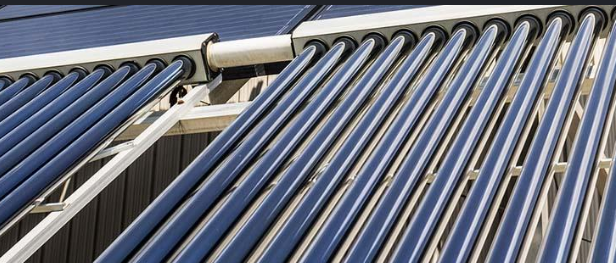
About new generation thermodynamic solar systems

Solar panels and minimalist design: how to integrate them into modern architecture

The impact of solar energy on the energy market landscape

How to choose the right electric scooter for my lifestyle

Innovative solutions to monetize the energy of domestic solar panels
What is the difference between prosumer and producer of electricity

Solar panels for your business, profitable or not?

Solar panels for charging electric vehicles

Renewable solar energy: clean and healthy future