The solar panel market, between flexibility and technology Globally, the solar panel market has seen massive growth in recent years. This has been driven by the gradual transition of the energy sector from the conventional to the renewable sector. Furthermore, it is estimated that this sector will flourish in the coming period due to the strong interest of the population towards the environment.
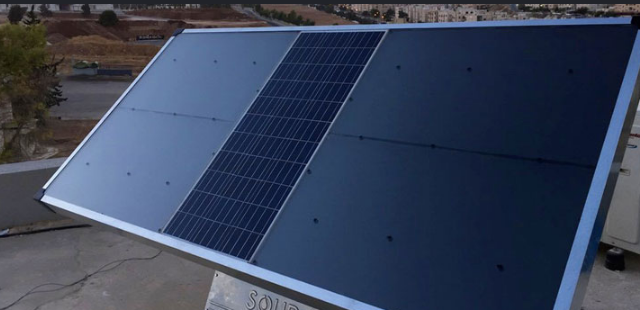
Photovoltaic solar panels are silicon panels capable of capturing sunlight and converting it into electricity. The second generation of photovoltaic solar panels is called thin film solar cells. They are made of thin layers of silicon-free materials such as cadmium telluride or amorphous silicon. They are more flexible than the first generation of photovoltaic solar panels. They are often used on building facades.
With technological advances, third generation photovoltaic solar panels are now made from a wide range of materials. In addition to silicone, their composition includes conductive plastic, solar dyes and solar inks. Some photovoltaic solar panels even use plastic mirrors or lenses to focus light onto a very efficient photovoltaic panel.
Solar panel market, growing in the coming years
In the near future, the growth of the solar PV panel market is expected to be driven by growing concerns about reducing carbon emissions. A crucial role will be played by the gradual transition towards dependence on renewable sources for energy consumption. Global warming and excessive dependence on fossil fuel sources for energy production are of growing concern among nations around the world. To this end, alternative and renewable sources for energy capture have been discovered.
This has been a driving factor behind the advent of solar energy and the resulting increase in demand for photovoltaic solar panels. Solar energy not only reduces your carbon footprint. It also significantly reduces electricity bills.
Five solar technologies to watch in 2022
Traditional solar panels have dominated the solar market so far. In 2022, we’ll be talking about some exciting solar panel technologies, either in development or already on the market. These promising technologies will revolutionize the way we think not only about solar panels, but about energy production in general.
- Anti-noise photovoltaic solar barriers. There are noise barriers already installed around the world, especially in the United States of America. They were built with the aim of reducing the noise level on highways.
- Solar fabric. These are solar filaments that can be incorporated into T-shirts, winter coats or any other clothing.
- Solar covers are a new photovoltaic technology for integrating custom designs into solar panel systems. This technology is similar to advertising posters on bus windows. They are ideal for any type of business.
- Integrated photovoltaics blends seamlessly with the architecture of the building in the form of roofs, canopies, facades and skylight systems. The good news is that BIPV solar panel systems allow homeowners to save on building materials and electricity costs.
- Floating solar farms. Photovoltaic panels are placed on reservoirs and other bodies of water. They offer even greater efficiency and a host of other benefits. Floating solar farms can generate huge amounts of electricity without using valuable land or real estate. The installation costs of floating solar panels are lower than those of land-based solar panels.
Conclusion
The global solar panel market has evolved into one of the fastest-growing sectors within the renewable energy industry. Driven by increasing environmental awareness, technological innovation, and the need for cleaner energy sources, solar power has become a practical solution for homeowners, businesses, and governments seeking to reduce their dependence on fossil fuels. As the transition toward sustainable energy continues, the solar industry is expected to play an even more significant role in meeting future energy demands while supporting global climate goals.
One of the key factors behind this rapid expansion is the continuous improvement of solar technology. Modern photovoltaic panels are more efficient, durable, and affordable than ever before, allowing users to generate greater amounts of electricity from the same installation area. Advances in manufacturing processes, energy storage systems, and smart monitoring technologies have also enhanced the reliability and overall performance of solar energy systems, making them increasingly attractive for a wide range of applications.
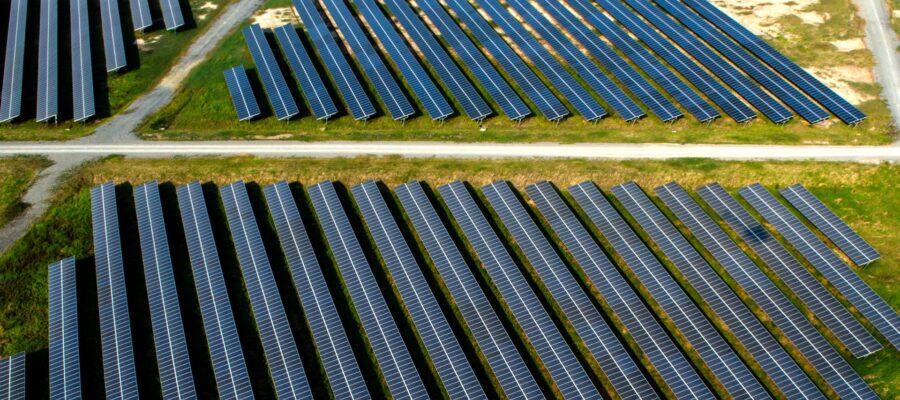
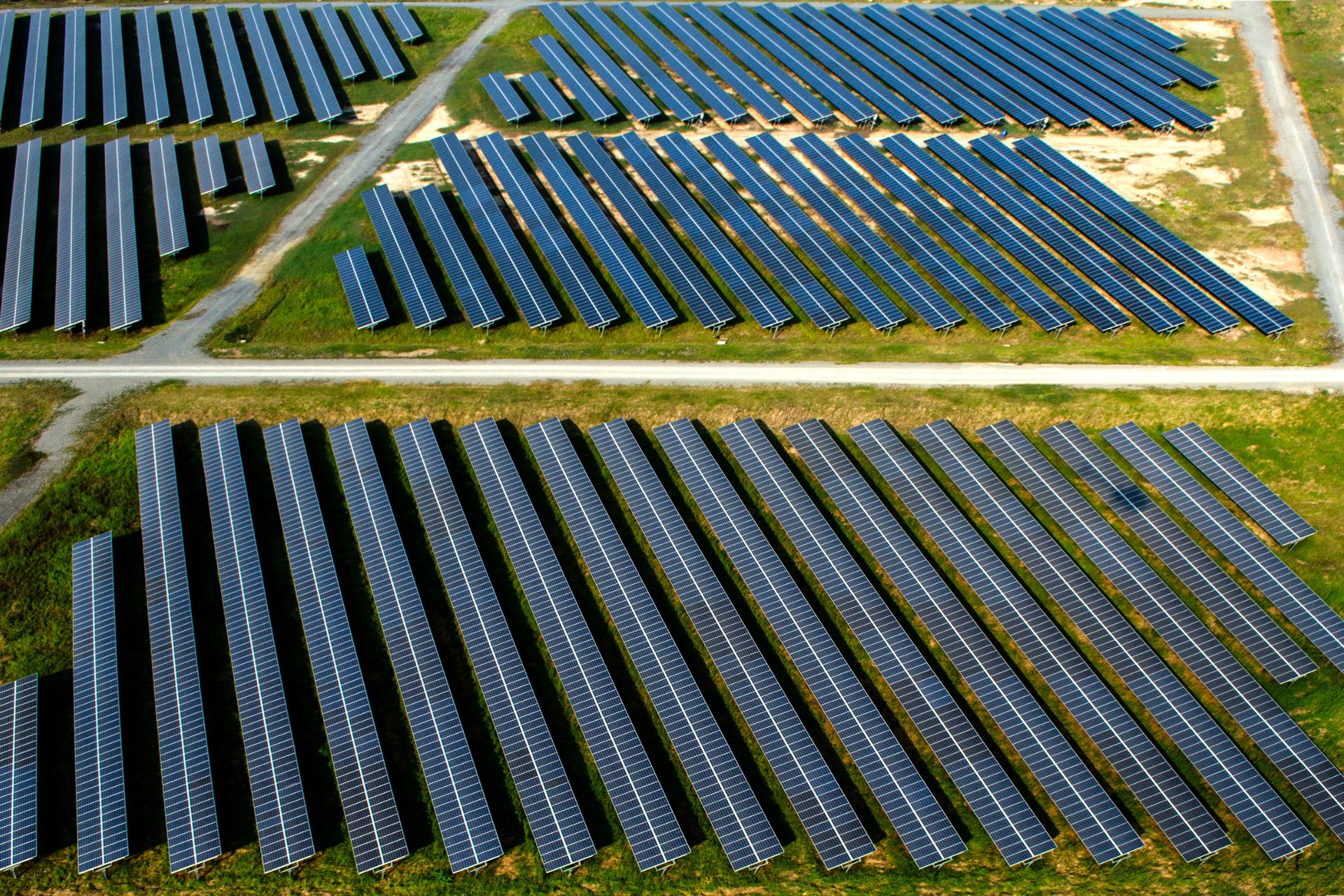
Flexibility has become another defining characteristic of the solar panel market. Solar systems can now be customized to meet the needs of residential properties, commercial facilities, industrial operations, and even large-scale utility projects. Whether installed on rooftops, integrated into buildings, or deployed in solar farms, these systems provide scalable energy solutions that can adapt to different consumption patterns and geographical conditions. This versatility continues to expand the adoption of solar energy across diverse sectors of the economy.
Economic factors have also contributed to the industry’s impressive growth. Declining equipment costs, improved financing options, and long-term savings on electricity bills have made solar energy a financially attractive investment. In many regions, government incentives, tax benefits, and renewable energy policies further encourage consumers and businesses to adopt photovoltaic technology, accelerating the transition toward cleaner energy production.
Growing public concern about climate change and environmental sustainability is expected to maintain strong demand for renewable energy in the years ahead. As more individuals recognize the importance of reducing carbon emissions and protecting natural resources, the solar panel market will continue to benefit from increased consumer confidence and investment. Ongoing research and innovation will likely produce even more efficient technologies that improve performance while reducing manufacturing costs.
Ultimately, the future of the solar panel market looks exceptionally promising. Its combination of technological advancement, economic value, environmental responsibility, and installation flexibility positions solar energy as one of the most important pillars of the global energy transition. As renewable energy becomes an increasingly essential part of modern infrastructure, investing in solar technology will continue to provide long-term benefits for consumers, businesses, and the planet while supporting a cleaner and more sustainable energy future.
latest posts published
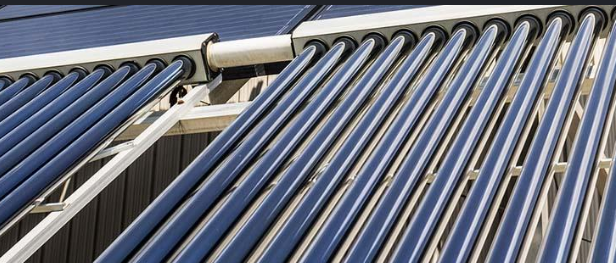
About new generation thermodynamic solar systems
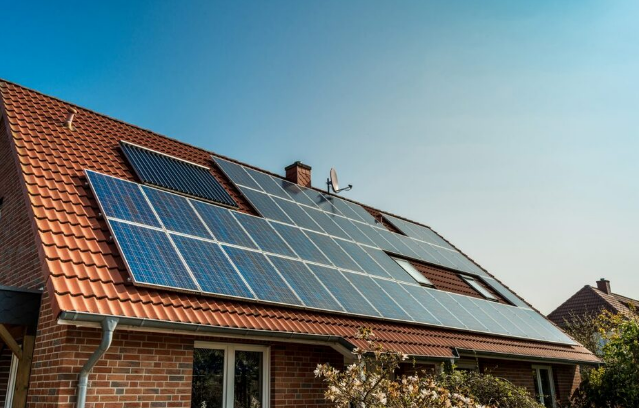
Solar panels and minimalist design: how to integrate them into modern architecture
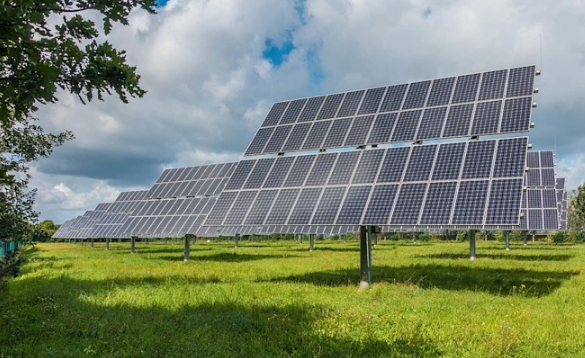
The impact of solar energy on the energy market landscape

How to choose the right electric scooter for my lifestyle
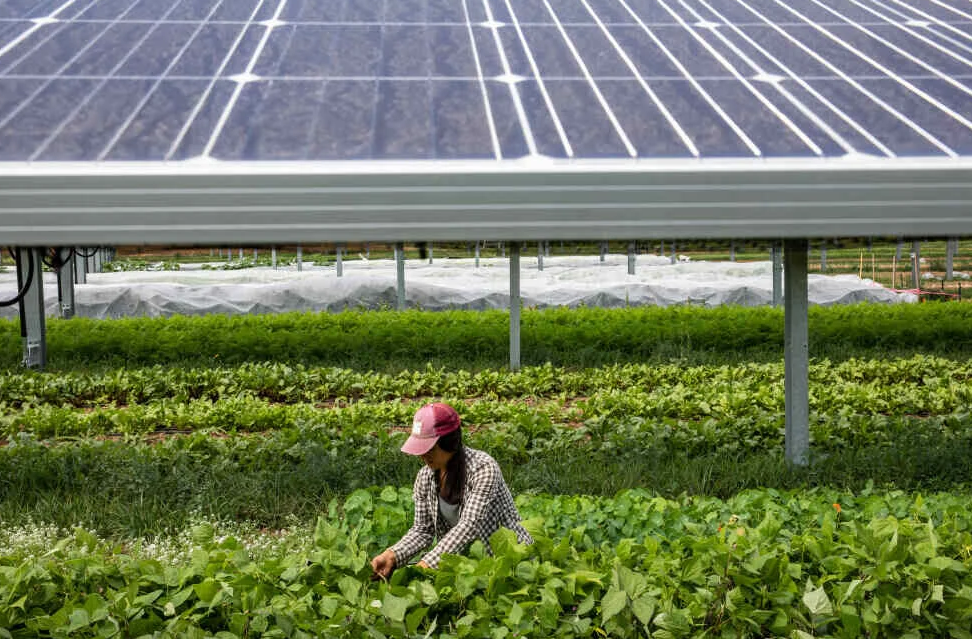
Innovative solutions to monetize the energy of domestic solar panels
What is the difference between prosumer and producer of electricity
Solar panels for your business, profitable or not?
Solar panels for charging electric vehicles
Renewable solar energy: clean and healthy future